Why Do Punch Needle Loops Pull Out? 9 Mistakes and Fixes
Punch needle loops are held by friction, not knots. When loops pull out, the cause is usually fabric tension, needle movement or a material mismatch.
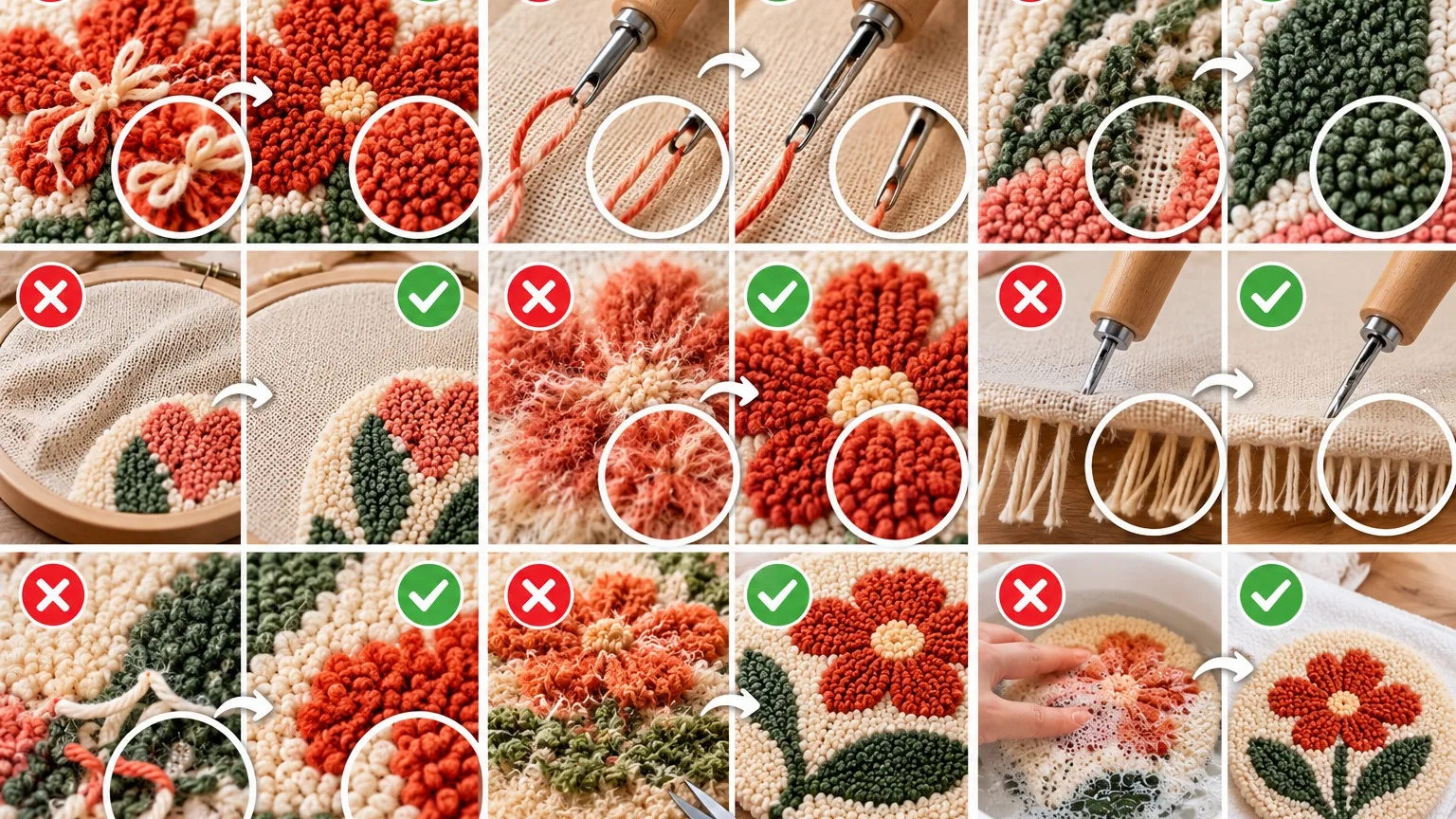
- 1. The fabric is not tight enough
- 2. The needle is facing the wrong way
- 3. The needle is lifted too high between punches
- 4. The yarn cannot flow freely
- 5. Needle and yarn do not match
- 6. The fabric cannot hold the loops
- 7. Stitch spacing and depth are uneven
- 8. Needle direction slips at corners
- 9. Fixing a mistake damages other loops
- After fixing: test on a small sample
In punch needle, loops are held in place by friction from the fabric and pressure from neighbouring loops, not by knots. So when loops pull out, the cause is rarely a single mistake. It is usually an imbalance between tension, needle movement and materials. Work through the nine checks below and test a small area after each fix.
1. The fabric is not tight enough
Symptom: The fabric lifts with the needle; loops are short, uneven or pull back out.
Cause: Slack fabric moves with the needle and cannot create the friction needed to grip the loop.
Fix: Punch Needle World explains that the fabric should be far tighter than merely smooth: it should barely give when pressed and sound like a drum when tapped. Re-tighten your hoop, and use a gripper-strip frame for larger pieces.
2. The needle is facing the wrong way
Symptom: The yarn tangles, or loops are neat in one direction and loose in another.
Cause: The open, bevelled side of the needle should face the direction you are punching. Held backwards, the needle drags the yarn instead of leaving a loop.
Fix: Hold the needle like a pencil, almost upright, and always turn the open side towards your direction of travel.
3. The needle is lifted too high between punches
Symptom: The last few loops come out with the needle.
Cause: If the tip moves too far from the fabric, it pulls up the yarn from the previous loop. Sarah Maker names this as the most likely reason loops come out.
Fix: Lift only until the tip grazes the surface, then glide it gently to the next spot.
4. The yarn cannot flow freely
Symptom: Loops get shorter or pull back as the needle lifts; the yarn tightens from time to time.
Cause: A tangled skein, yarn trapped under your elbow or frame, or the weight of a heavy ball puts tension on the yarn.
Fix: Unwind plenty of yarn in advance and keep it slack while you work. If the yarn catches inside the needle, re-thread it.
5. Needle and yarn do not match
Symptom: With thin yarn, loops slip out easily; with thick yarn, the needle jams and the fabric strains.
Cause: Yarn must flow easily through the needle yet be full enough to grip the fabric.
Fix: Check the yarn range recommended for your needle. Try doubling a thin yarn or switching to a different needle size. See our punch needle supplies guide for details.
6. The fabric cannot hold the loops
Symptom: Holes in the fabric stay large and loops fall out at a light touch.
Cause: A very open or stretchy fabric does not create enough friction to grip the loop.
Fix: Switch to a suitable monk's cloth for wool yarn, or a dense fabric such as poplin for fine thread. Avoid stretch fabrics.
7. Stitch spacing and depth are uneven
Symptom: You see gaps on the front, loops of different heights or areas that unravel easily.
Cause: Long steps between punches make loops sparse, and not punching all the way down makes them short. Punch Needle World notes that a loop is roughly half the needle length, so the needle should go in until the handle touches the fabric.
Fix: Move in short, even steps and push the needle all the way down every time. Punching too densely can strain the fabric too, so aim for loops that lightly touch their neighbours.
8. Needle direction slips at corners
Symptom: Loops come out or yarn tangles where you change direction.
Cause: Turning the needle while it is out of the fabric briefly points the open side the wrong way and pulls the previous loop.
Fix: Turn the handle only while the needle is pushed all the way into the fabric, then continue once the open side faces the new direction. You can also rotate the hoop.
9. Fixing a mistake damages other loops
Symptom: Unpicking one error also unravels good rows.
Cause: Loops are formed one after another from the same yarn, so pulling it undoes neighbouring loops too. The later a mistake is spotted, the larger the area to redo.
Fix: Flip the hoop often to check the front. When you find an error, pull the yarn out slowly, stop and cut when you reach sound loops, then refill the gap. Close any open holes in the weave by running a fingernail over the fabric.
After fixing: test on a small sample
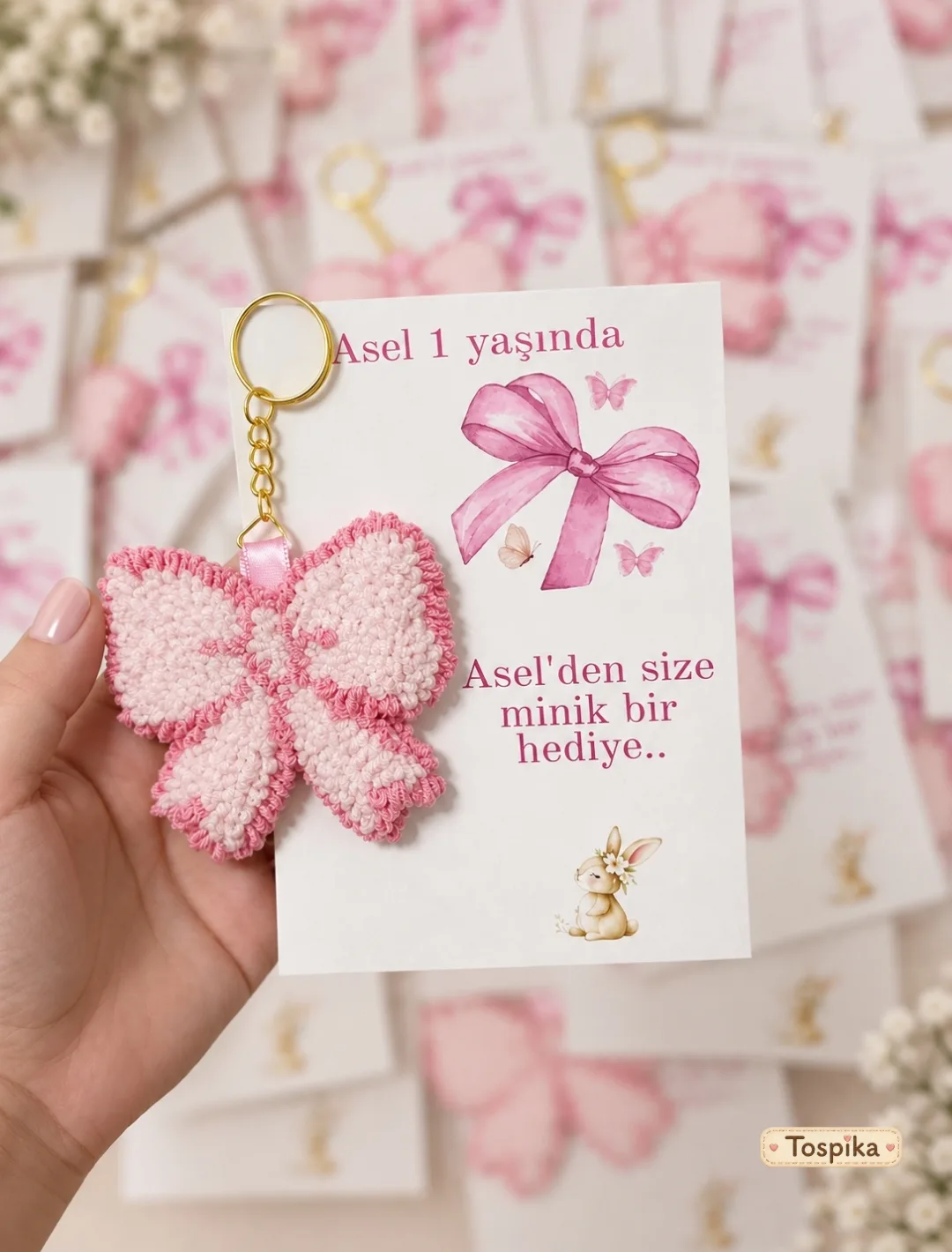
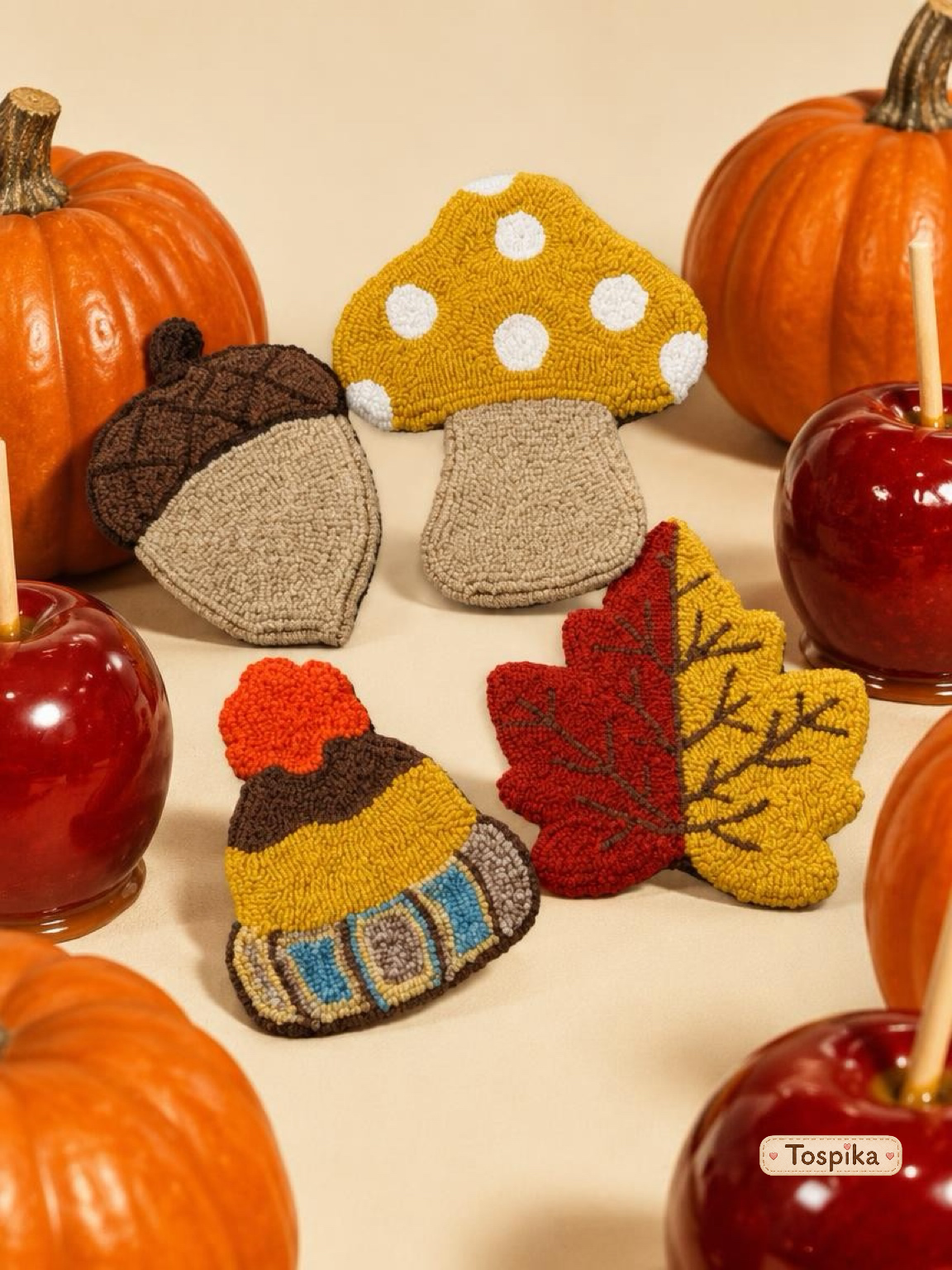
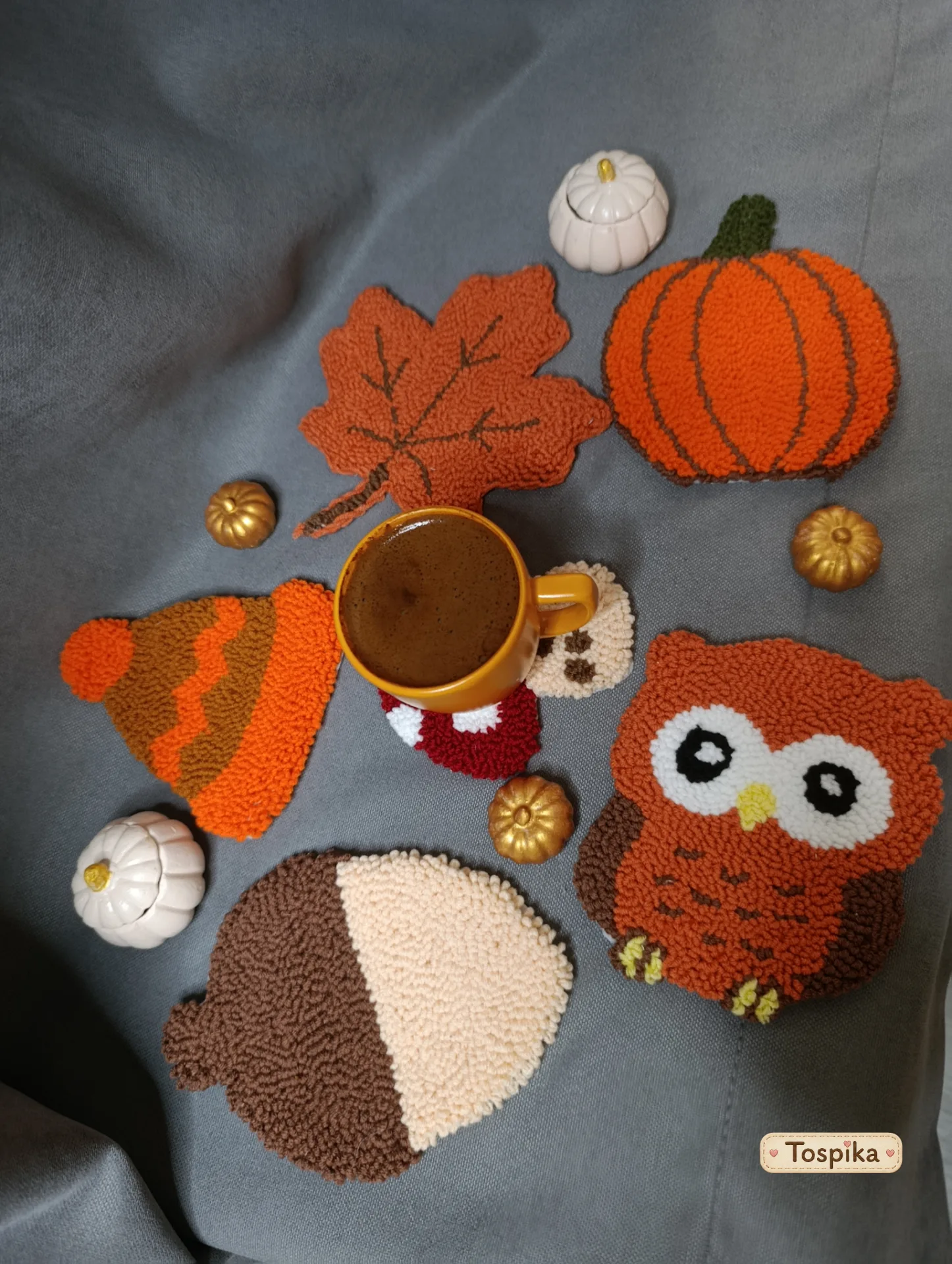
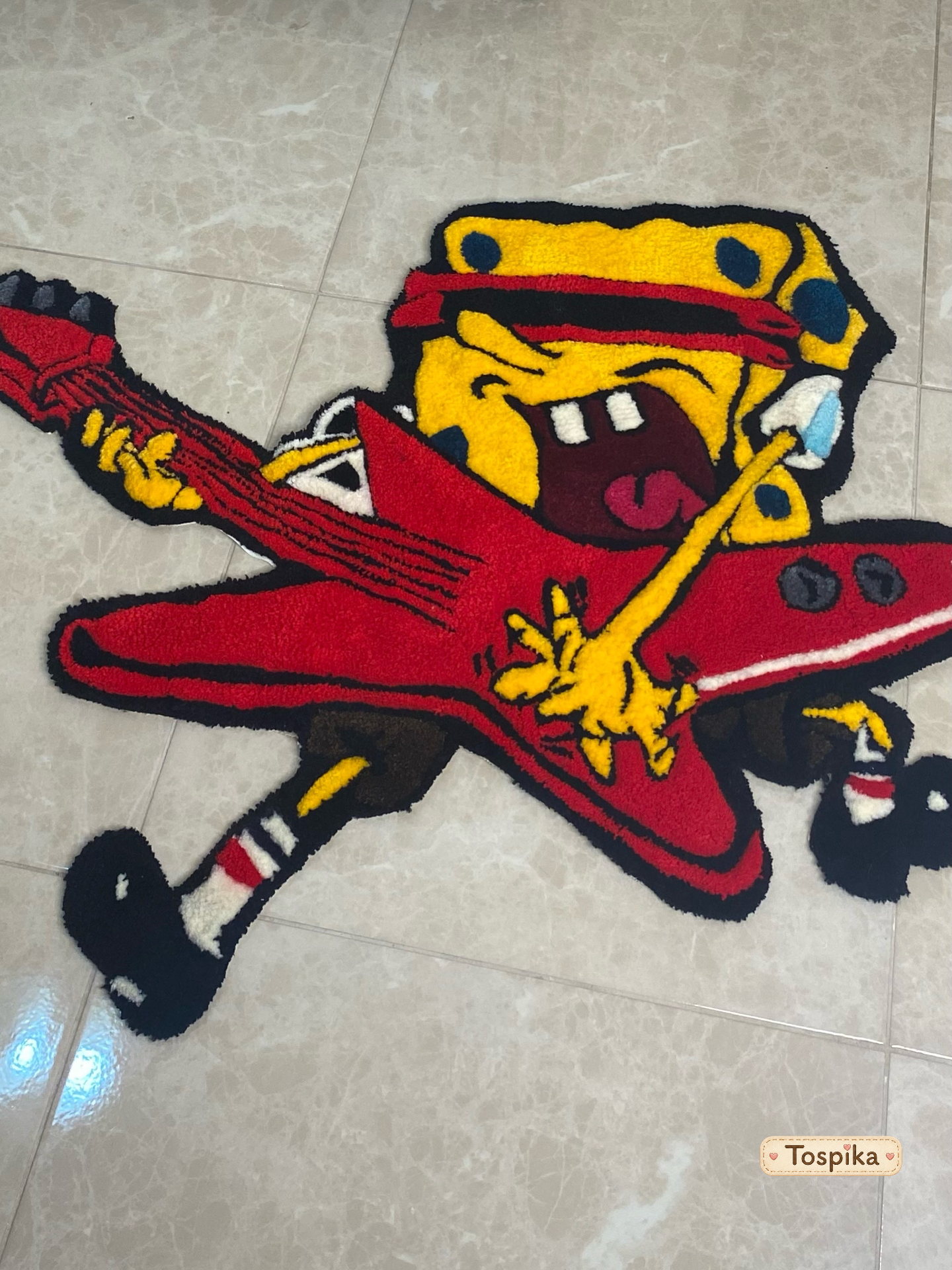
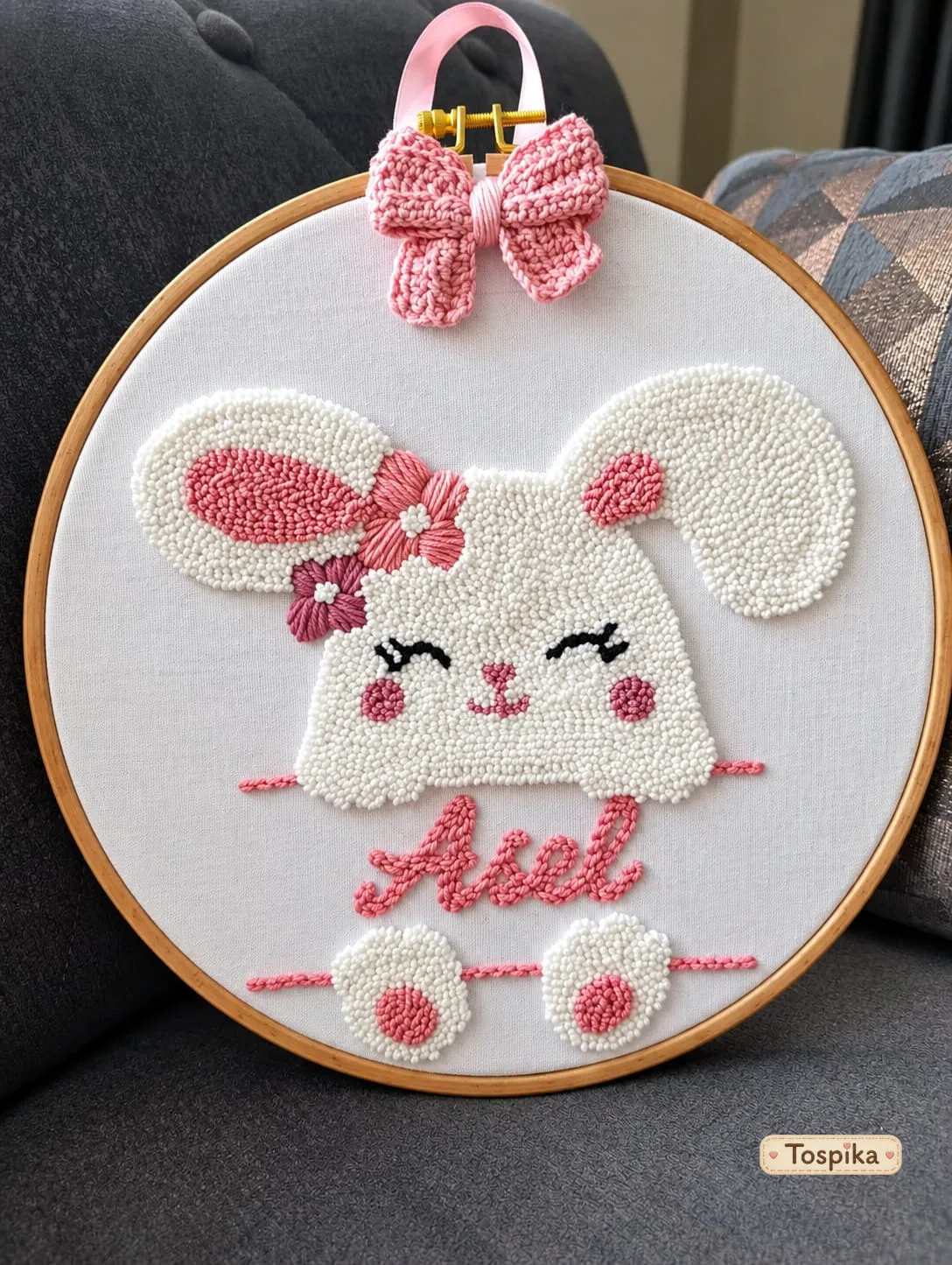
Try each change on a small area at the edge of the fabric before returning to the main piece. Change one thing at a time so you can see which fix solved the problem. To see what even, well-set loops look like in finished work, browse punch needle pieces by women makers on Tospika.
Frequently asked questions
- Why do punch needle loops come out?
- The most common causes are lifting the needle too high between punches, tension on the yarn and fabric that is not tight enough. Needle direction and material compatibility should also be checked.
- Do I need glue to keep loops in place?
- With good technique and matching materials, loops stay in place without glue while you work. Securing the back is a finishing decision that depends on how the piece will be used.
- Why are my loops different heights?
- The needle may not be going all the way down each time, or yarn tension may be shortening the loops. Pull out short loops and refill the area.
- Can I punch over an area I have unpicked?
- Yes. Close the holes in the weave with a fingernail and refill the area. If the fabric is damaged, test on a small area first.
- Why does the yarn catch in the needle?
- The yarn may be too thick for the needle, have knots or slubs, or be threaded incorrectly. Keep the yarn slack and re-thread the needle.
Sources
- 5 Tips For Creating Even Punch Needle Loops — Punch Needle World punchneedleworld.com · Accessed: 2026-10-19
- Punch Needle FAQ — Sarah Maker sarahmaker.com · Accessed: 2026-10-19
- Punchneedle Tutorial — PlanetJune (June Gilbank) (2009-07-20) planetjune.com · Accessed: 2026-10-19
Related content
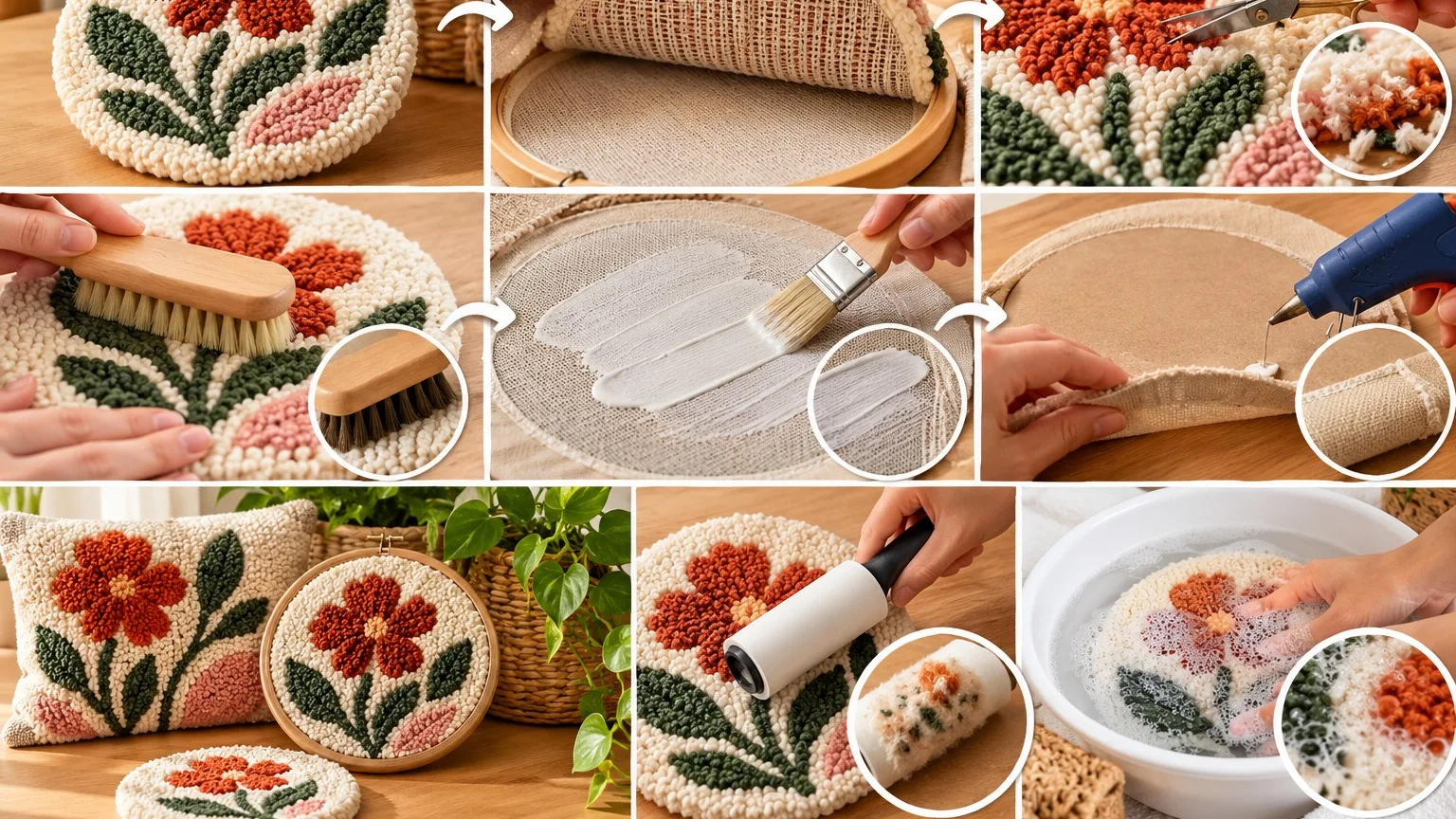
How to Finish and Care for Punch Needle Projects
Wall art, cushions and accessories are not finished the same way. How you cover the back, whether to secure it and how to clean the piece depend on how it will be used.
Read more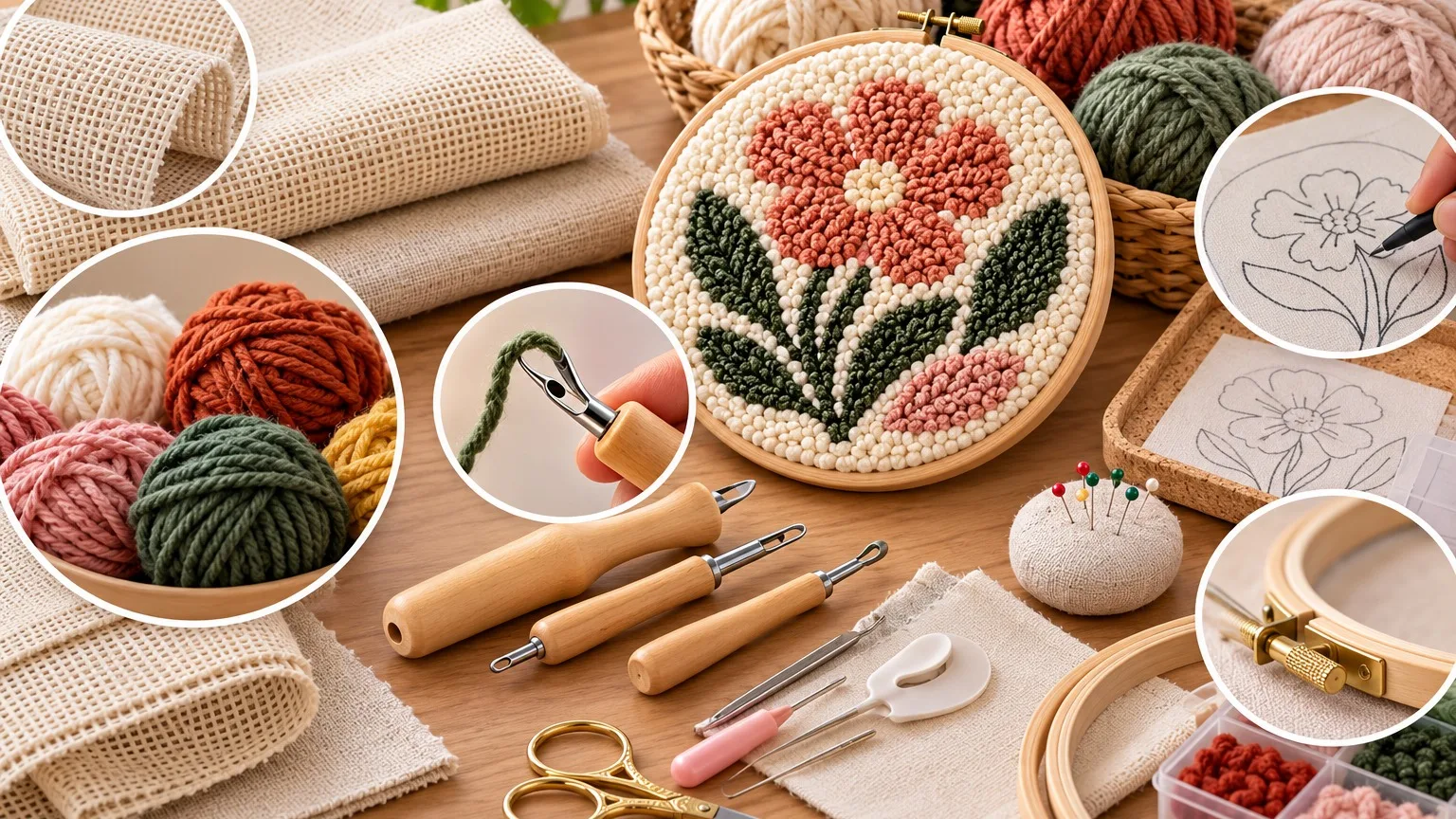
Punch Needle Supplies for Beginners
In punch needle, needle, yarn and fabric work as one system. If one part does not match, loops come loose, the needle jams or the fabric is strained.
Read more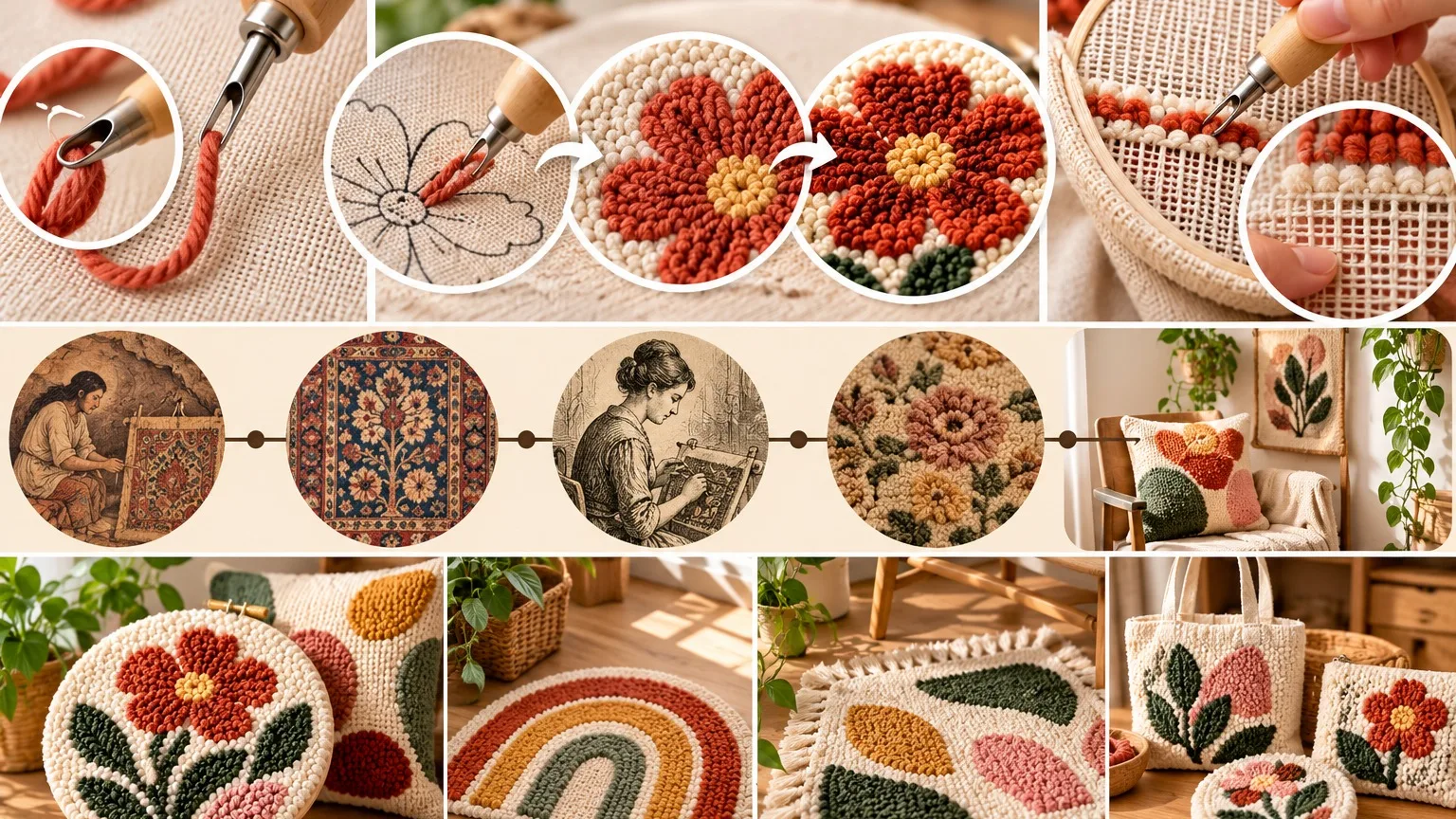
What Is Punch Needle? How It Works and a Short History
Punch needle pushes yarn or thread through fabric with a hollow needle and leaves a loop on the other side. There are no knots: taut fabric and closely packed loops hold the work in place.
Read more