Punch Needle Supplies for Beginners
In punch needle, needle, yarn and fabric work as one system. If one part does not match, loops come loose, the needle jams or the fabric is strained.
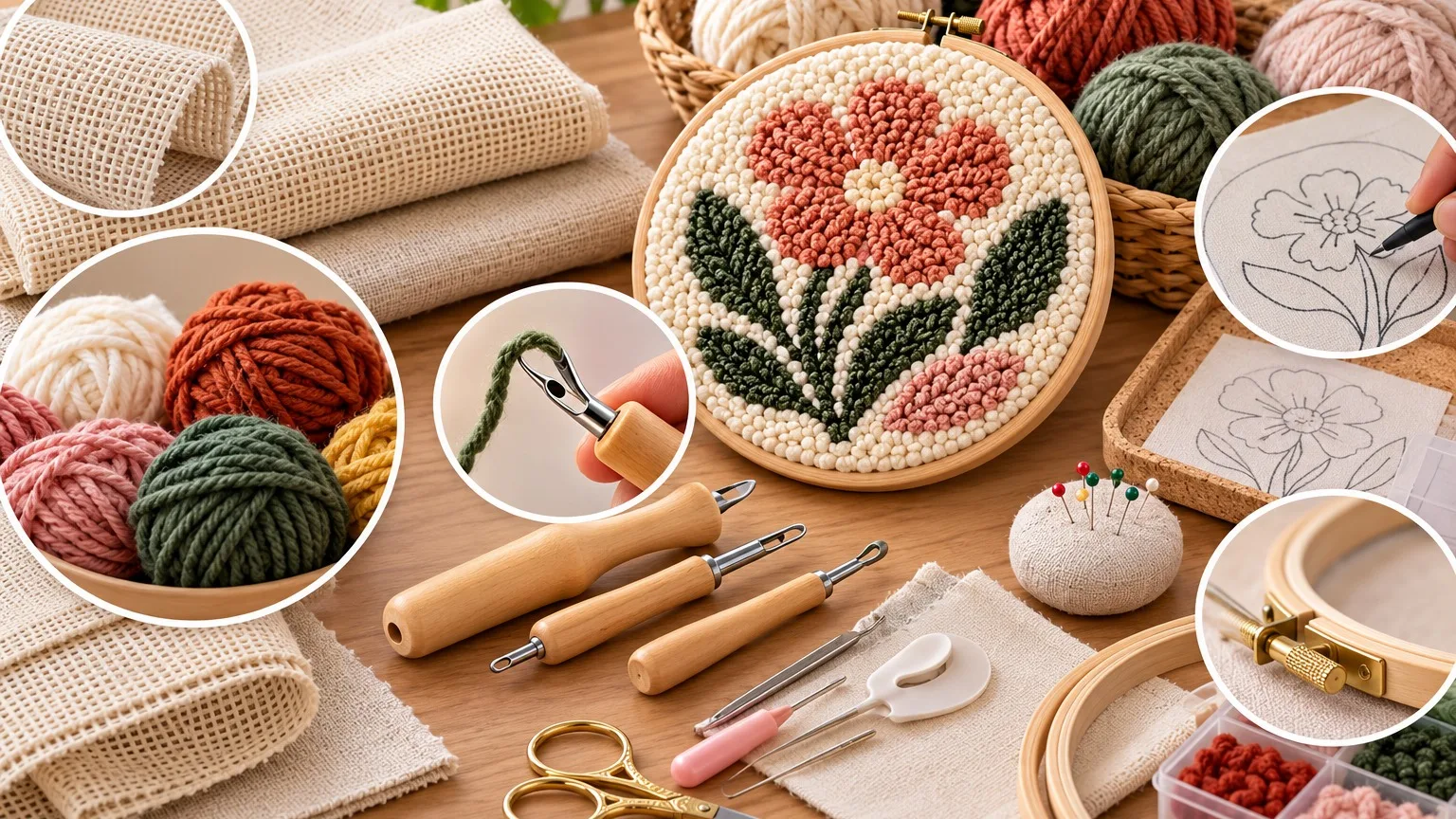
Decide which kind of punch needle work you want to do
There is no single starter kit that suits every punch needle project. Fine punch needle embroidery with floss and plush, looped work with wool yarn need different needles, fabrics and yarns. So start with the project, not the shopping list: a small, detailed wall piece or brooch, or a cushion, coaster or small rug?
Punch needles: width and loop height
Two features set punch needles apart. The width of the shaft decides which yarn thickness will flow freely. How far the needle goes into the fabric decides how tall the loops will be. Some needles have a fixed length and come in different sizes; others adjust with a gauge ring or a stepped handle.
Clover's Punch Needle, for example, is designed for medium to bulky weight yarn and comes with an adjusting ring that secures the needle length. The same brand's embroidery stitching tool works with No. 25 embroidery thread and threads of similar thickness. The two tools use the same movement, but not the same materials.
Matching needle and yarn
Yarn should run through the needle without catching, yet be full enough to grip the fabric. Yarn that is too thin leaves loose loops that pull out easily. Yarn that is too thick clogs the needle, strains the fabric and drags loops back as the needle lifts. Clover also warns against threads that do not pass smoothly through the needle eye.
Wool, acrylic and cotton yarns create different textures and need different care. The weight on the label is a useful starting point, but sizes vary between brands, so a short test in the needle is the most reliable check.
Foundation fabric that holds the loops
For wool yarn and larger needles, the most common foundation is 100% cotton monk's cloth. Sarah Maker recommends a weave of roughly 12 holes per inch rather than a very open one, because yarn can slip out of a loose weave.
Fine embroidery needles need a denser fabric. Clover lists medium to heavy-weight dense fabrics such as poplin, denim, oxford and felt for its embroidery tool, and advises against stretch fabric, coarse weaves and artificial leather. It also suggests testing on a hidden area first, since needle holes may remain in some fabrics.
Hoops and gripper frames
Punch needle fabric should be drum-tight. A hoop that closes firmly and does not let the fabric slip is enough for small pieces. For larger work, frames with gripper strips along the edges hold the fabric evenly in every direction. If the fabric slackens while you work, stop and re-tension it.
Helpful tools
A fine wire needle threader, small sharp scissors and a fabric marker for transferring designs cover the basics. Because you draw on the side you work from, which becomes the back of the finished piece, remember to mirror lettering and directional designs.
Starter list and test sample
For a first project with wool yarn you need a punch needle for medium to bulky yarn, monk's cloth, a hoop or frame that keeps the fabric taut, a threader, scissors and a fabric marker. Fine work calls for an embroidery-style punch tool, a densely woven fabric and stranded embroidery floss.
Before a large piece, punch a palm-sized sample with the same fabric, yarn and needle. If the loops stand at an even height and stay in place when gently tugged, your materials are compatible.
Common mistakes
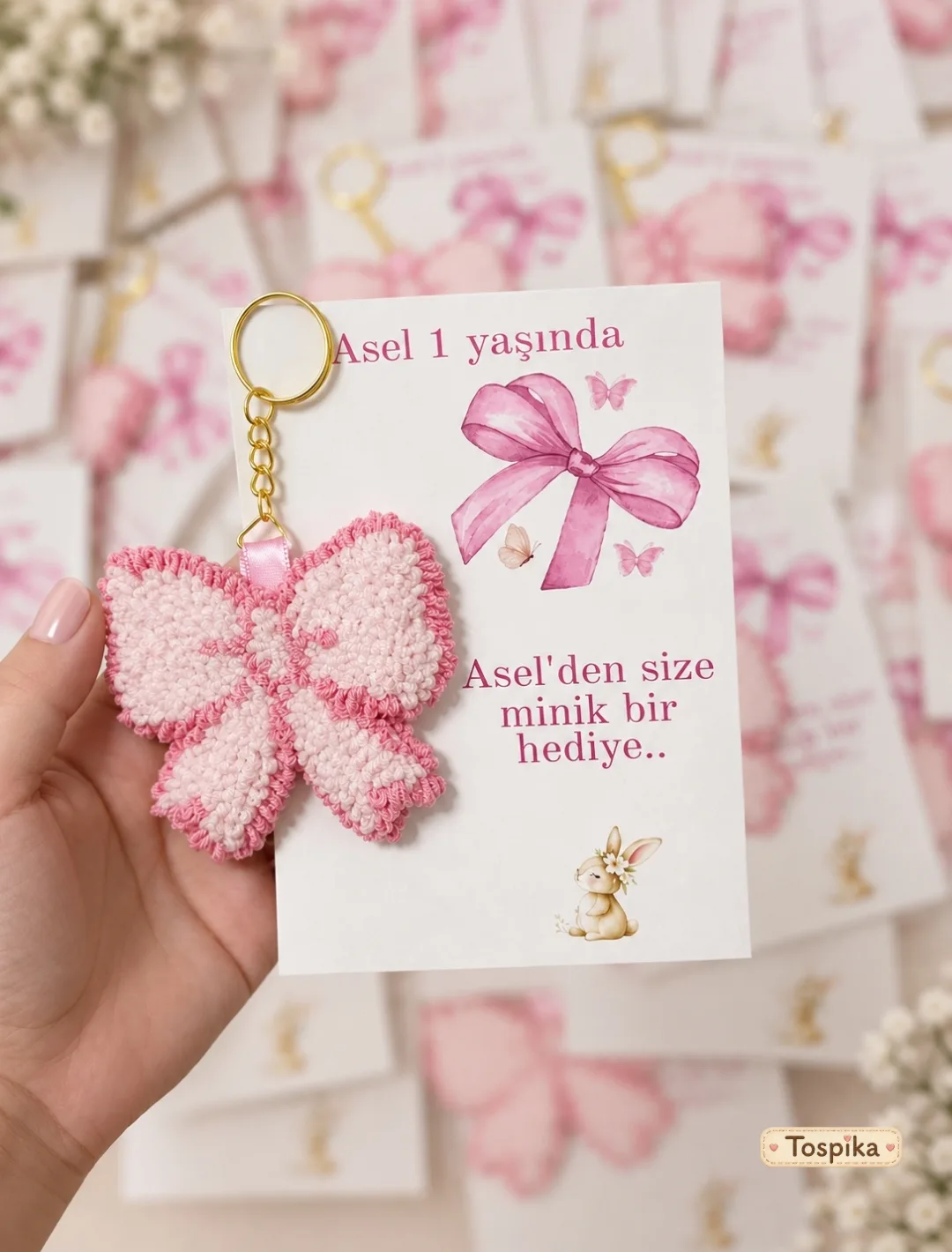
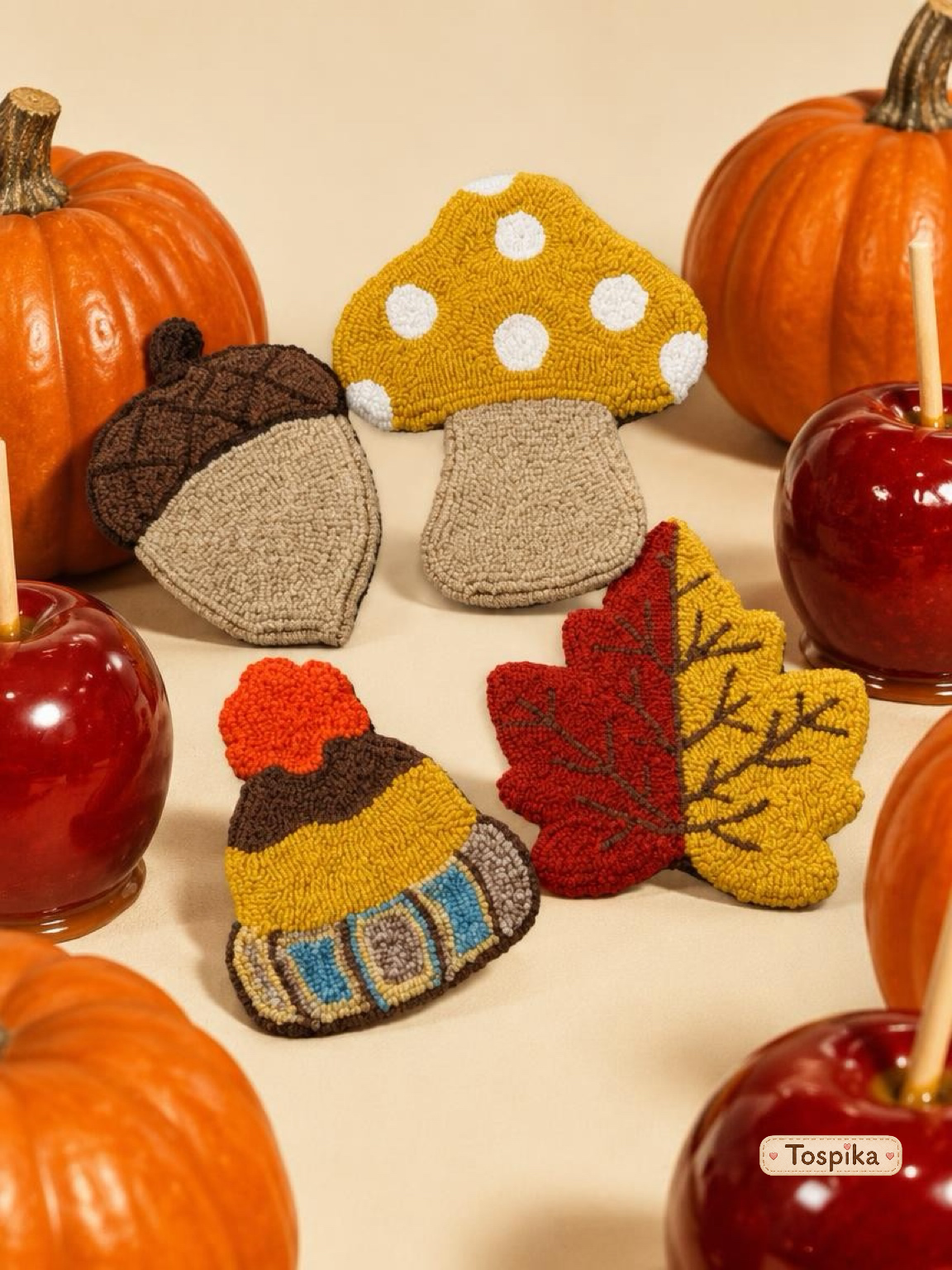
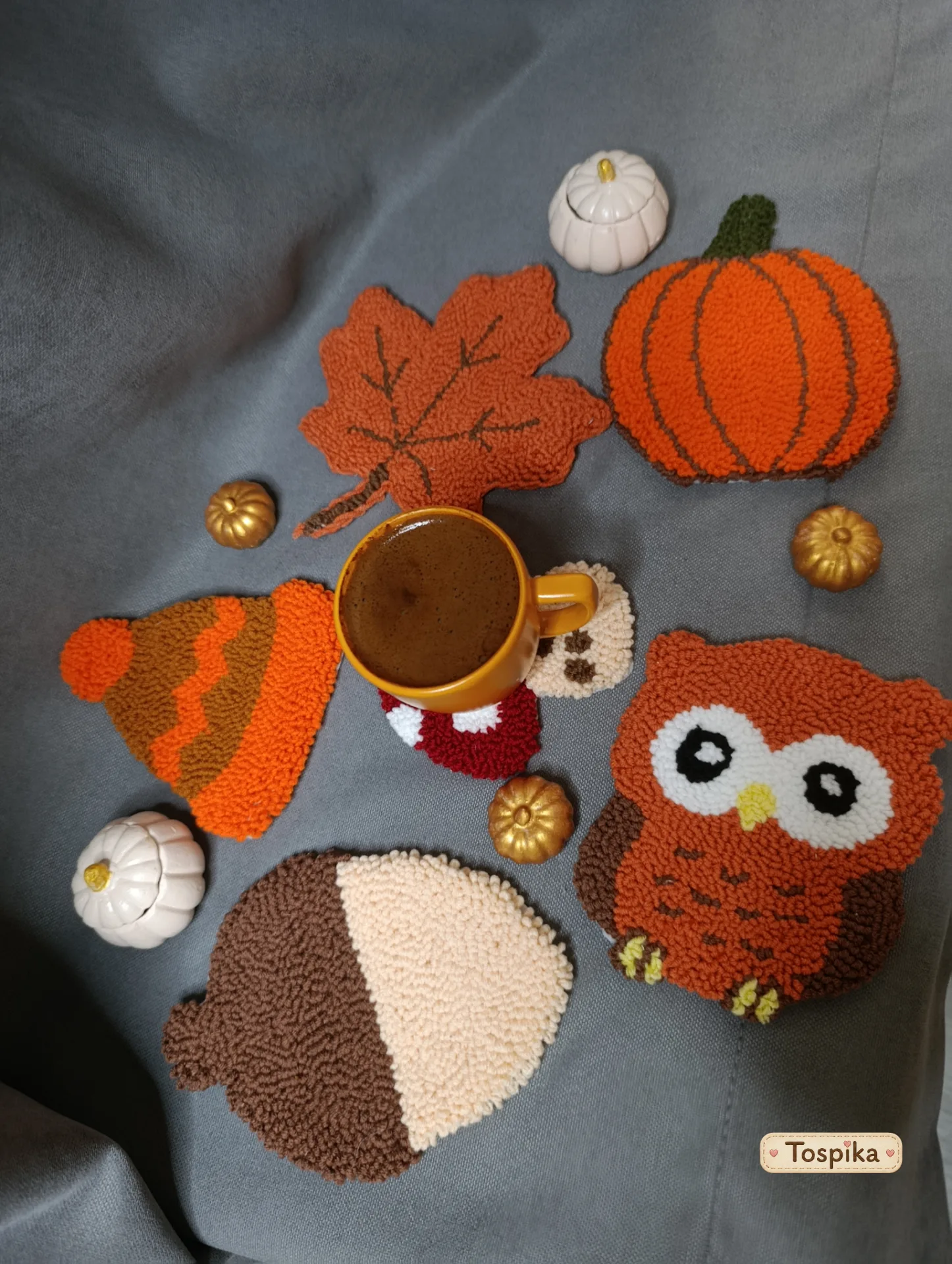
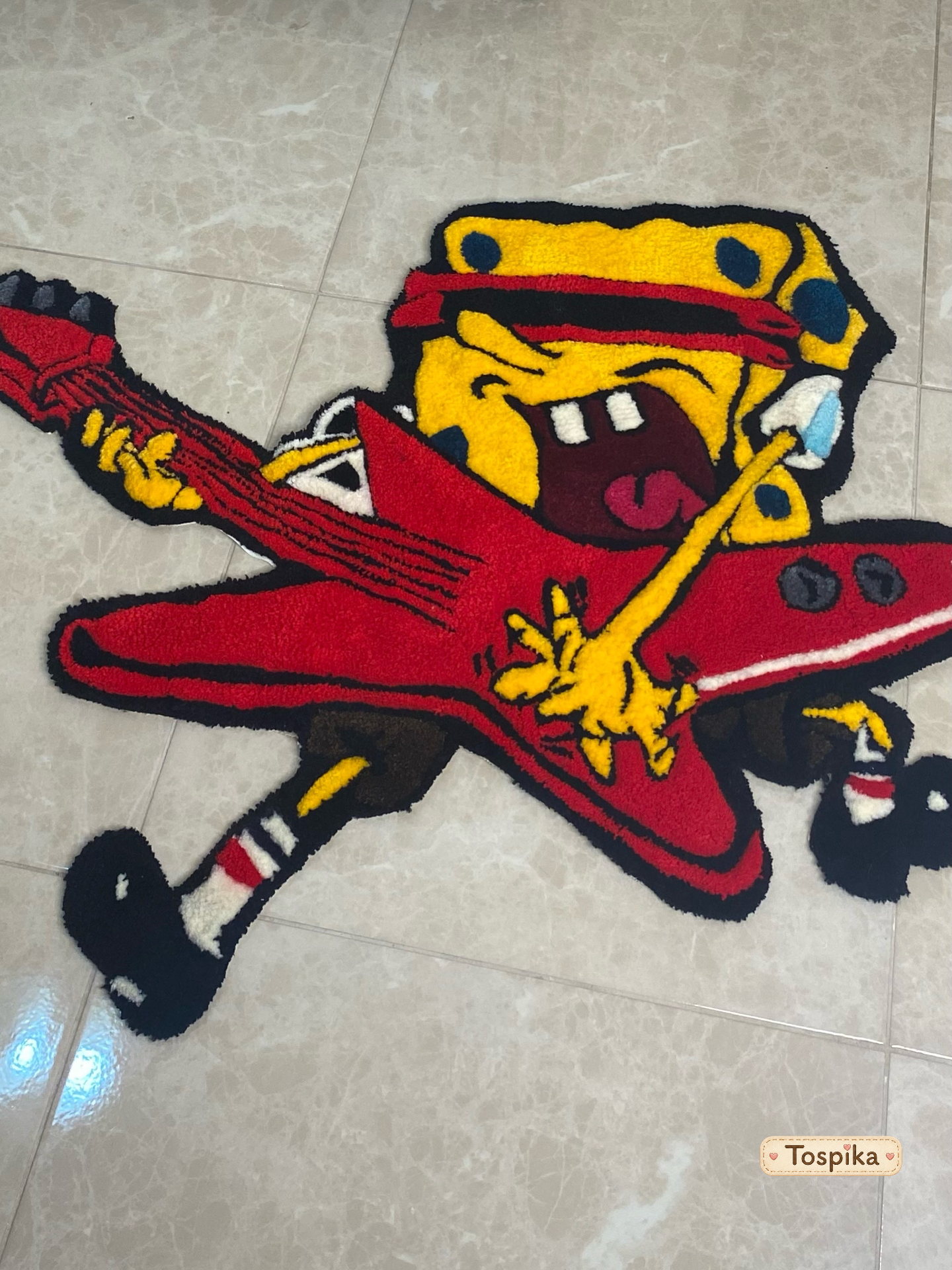
Typical mistakes include choosing fabric by price rather than by needle, using thin yarn in a large needle, working on stretch fabric and assuming one kit fits every project. To see material choices in finished work, browse punch needle pieces by women makers on Tospika and ask each maker directly about their yarn and fabric. Tospika is not involved in sales or payments and takes no commission.
Frequently asked questions
- What fabric is used for punch needle?
- With wool yarn and larger needles, 100% cotton monk's cloth is the usual foundation. Fine embroidery-style punch tools work with dense fabrics such as poplin or denim.
- Can any yarn be used in a punch needle?
- No. Yarn must flow freely through the needle but be full enough to grip the fabric. Check the yarn range recommended for your needle and do a short test.
- How do I change loop height?
- Loop height depends on how far the needle enters the fabric. Some needles have an adjusting ring or stepped handle; others need a different size for a different loop height.
- Should I use a hoop or a gripper frame?
- A sturdy hoop that does not let the fabric slip is fine for small pieces. For larger work, a frame with gripper strips keeps the fabric more evenly taut.
- Can you punch needle on stretch fabric?
- It is generally not recommended. Stretch fabric does not hold loops well and is hard to keep taut; Clover also lists stretch fabric as unsuitable for its embroidery tool.
Sources
- Punch Needle (Art. No. 8816) — Clover clover-usa.com · Accessed: 2026-10-19
- Embroidery Stitching Tool (Punch Needle Embroidery Tool) — Clover clover-usa.com · Accessed: 2026-10-19
- Tips for Punch Needle — Sarah Maker sarahmaker.com · Accessed: 2026-10-19
Related content
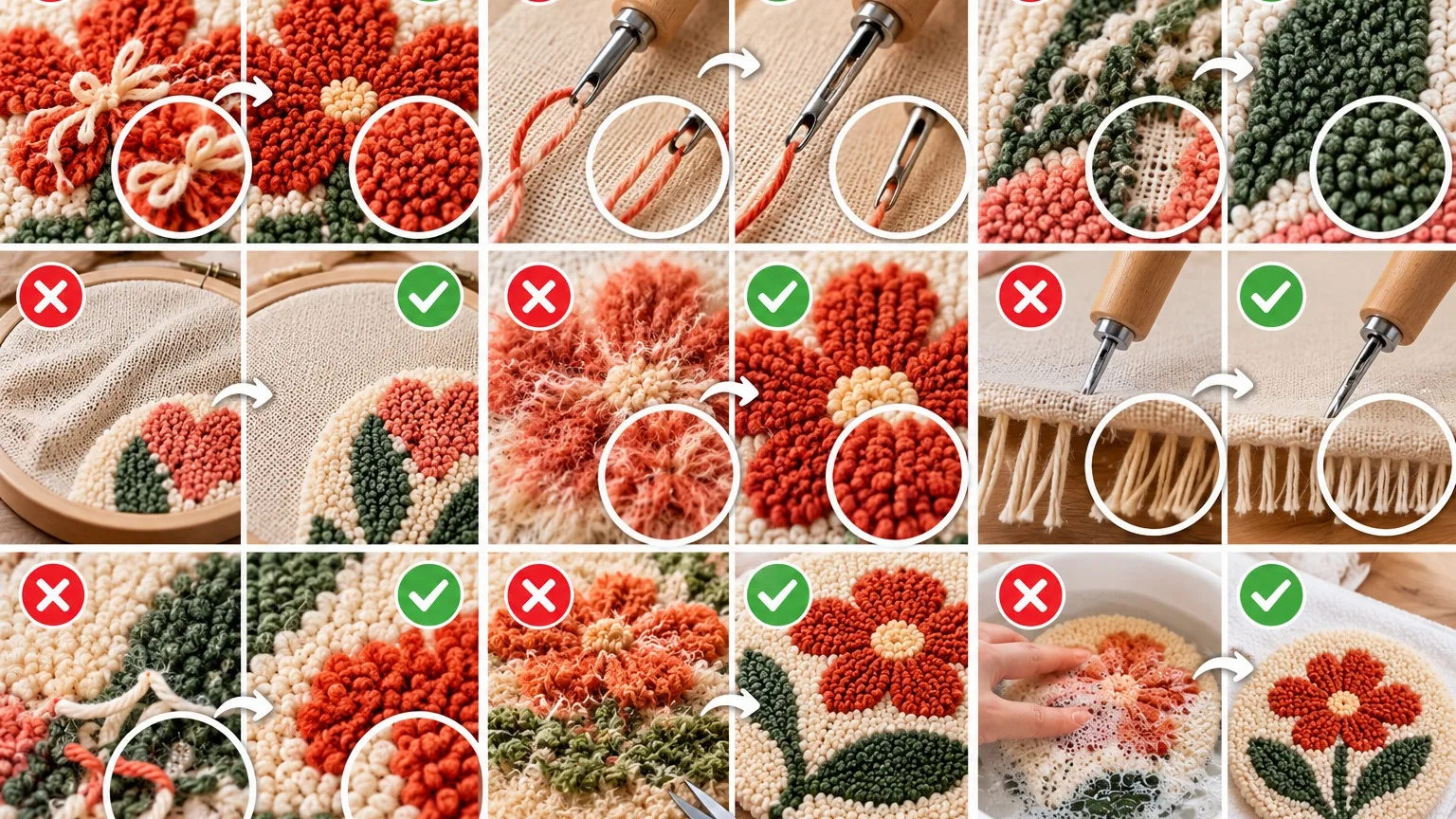
Why Do Punch Needle Loops Pull Out? 9 Mistakes and Fixes
Punch needle loops are held by friction, not knots. When loops pull out, the cause is usually fabric tension, needle movement or a material mismatch.
Read more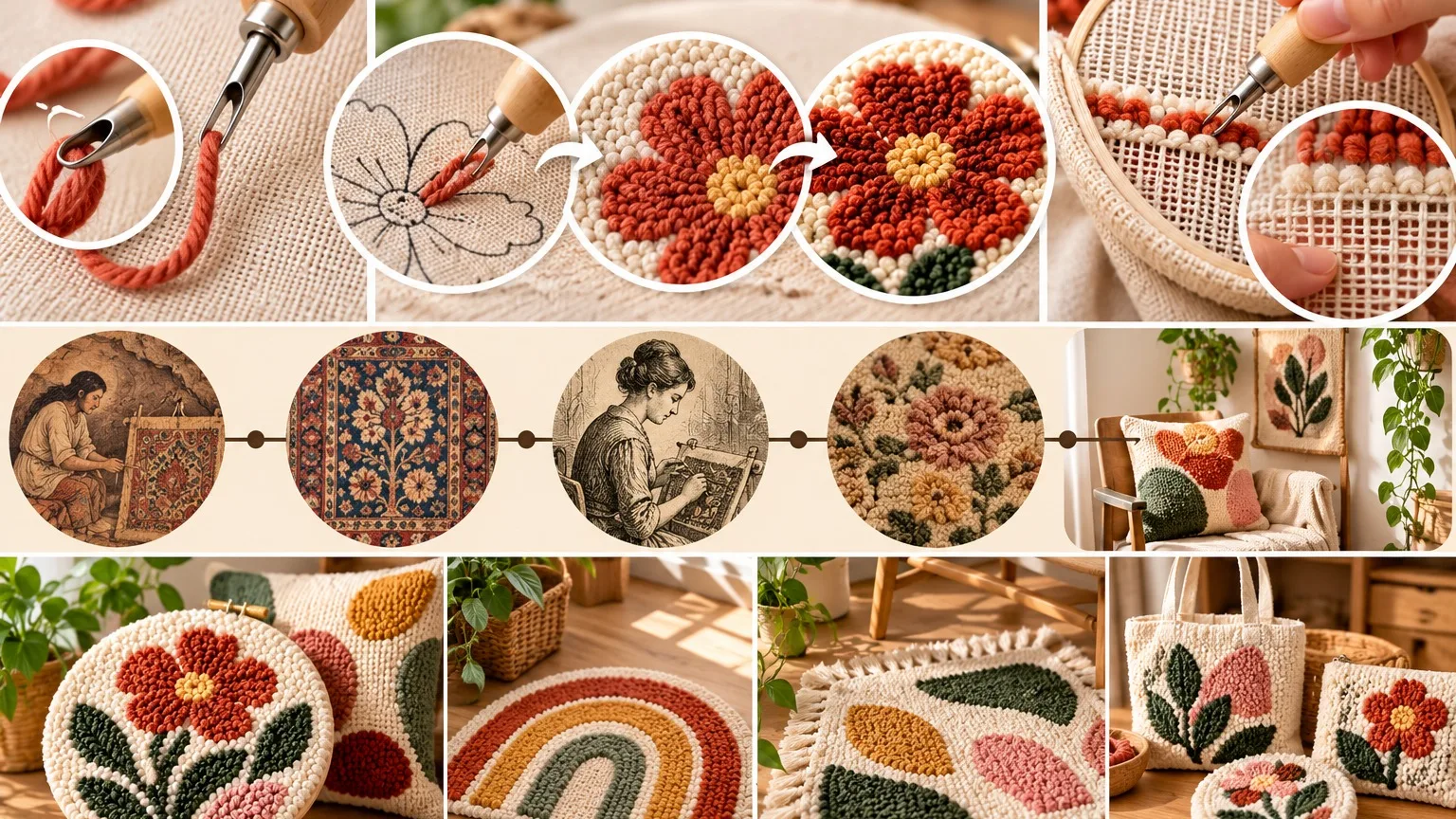
What Is Punch Needle? How It Works and a Short History
Punch needle pushes yarn or thread through fabric with a hollow needle and leaves a loop on the other side. There are no knots: taut fabric and closely packed loops hold the work in place.
Read more