What Is Punch Needle? How It Works and a Short History
Punch needle pushes yarn or thread through fabric with a hollow needle and leaves a loop on the other side. There are no knots: taut fabric and closely packed loops hold the work in place.
What is punch needle?
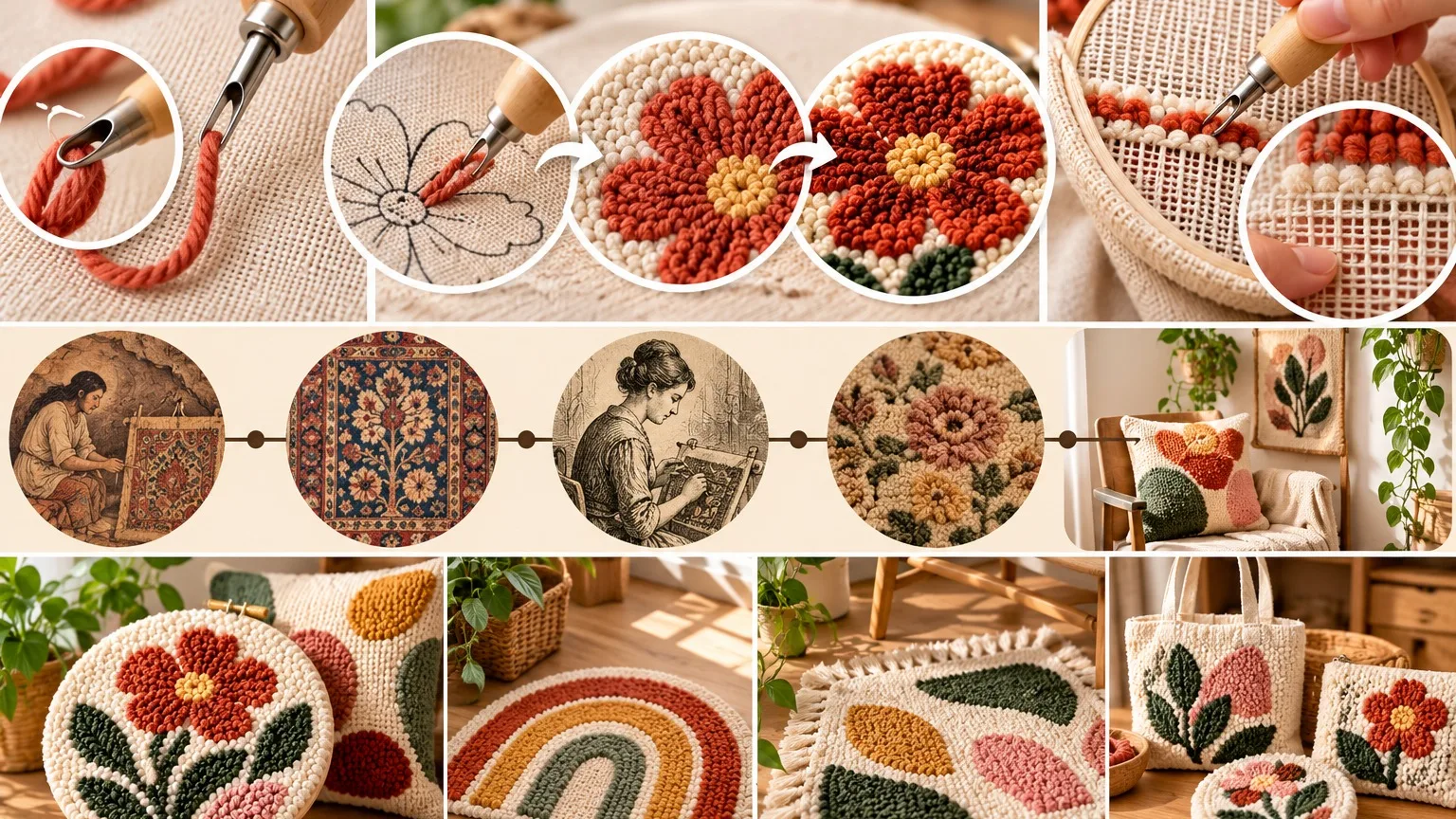
Punch needle is a technique in which a hollow needle with an angled tip pushes yarn or thread through fabric to form loops. Unlike traditional embroidery, where the thread passes back and forth through both sides of the fabric, the punch needle always enters from the same side and is lifted back out.
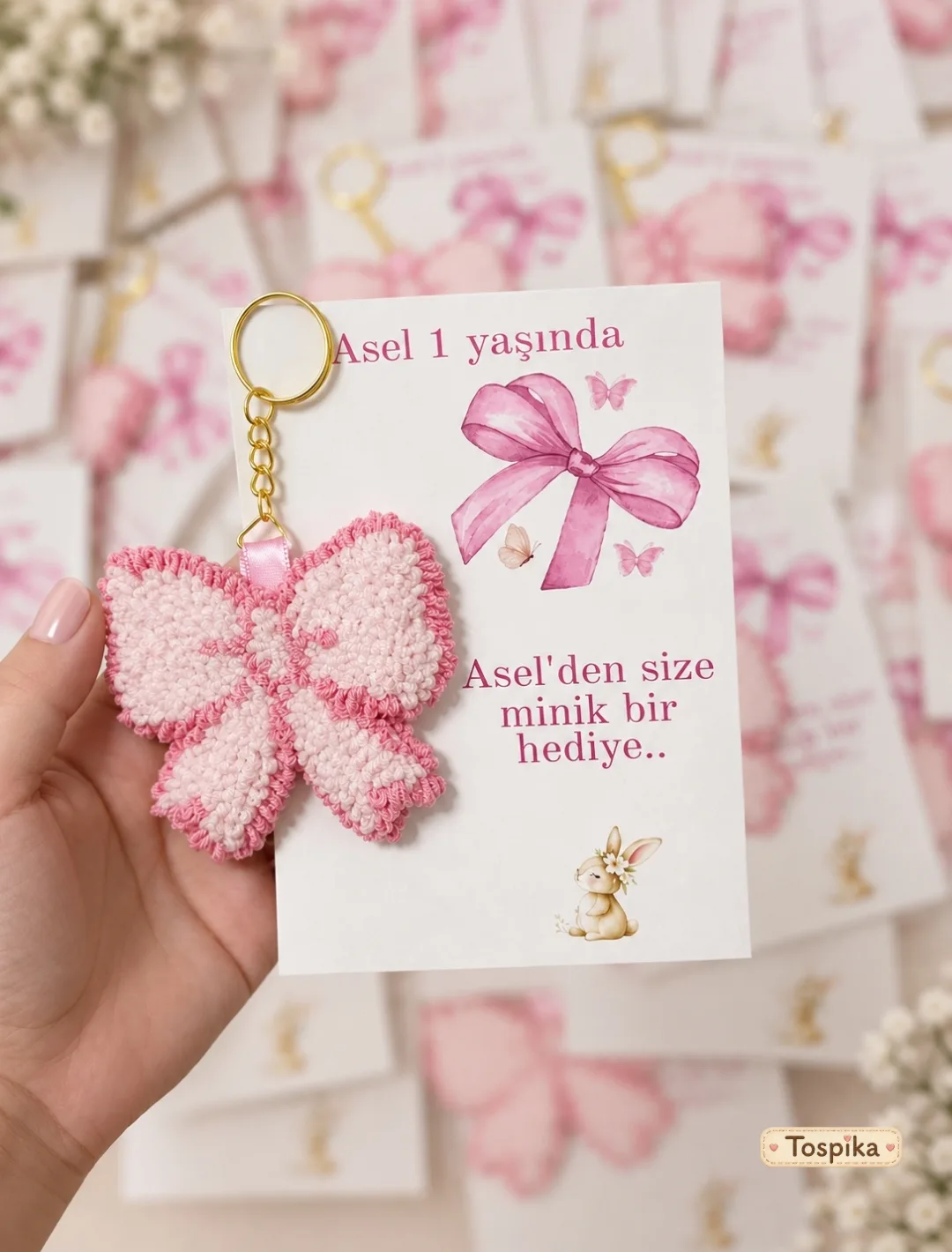
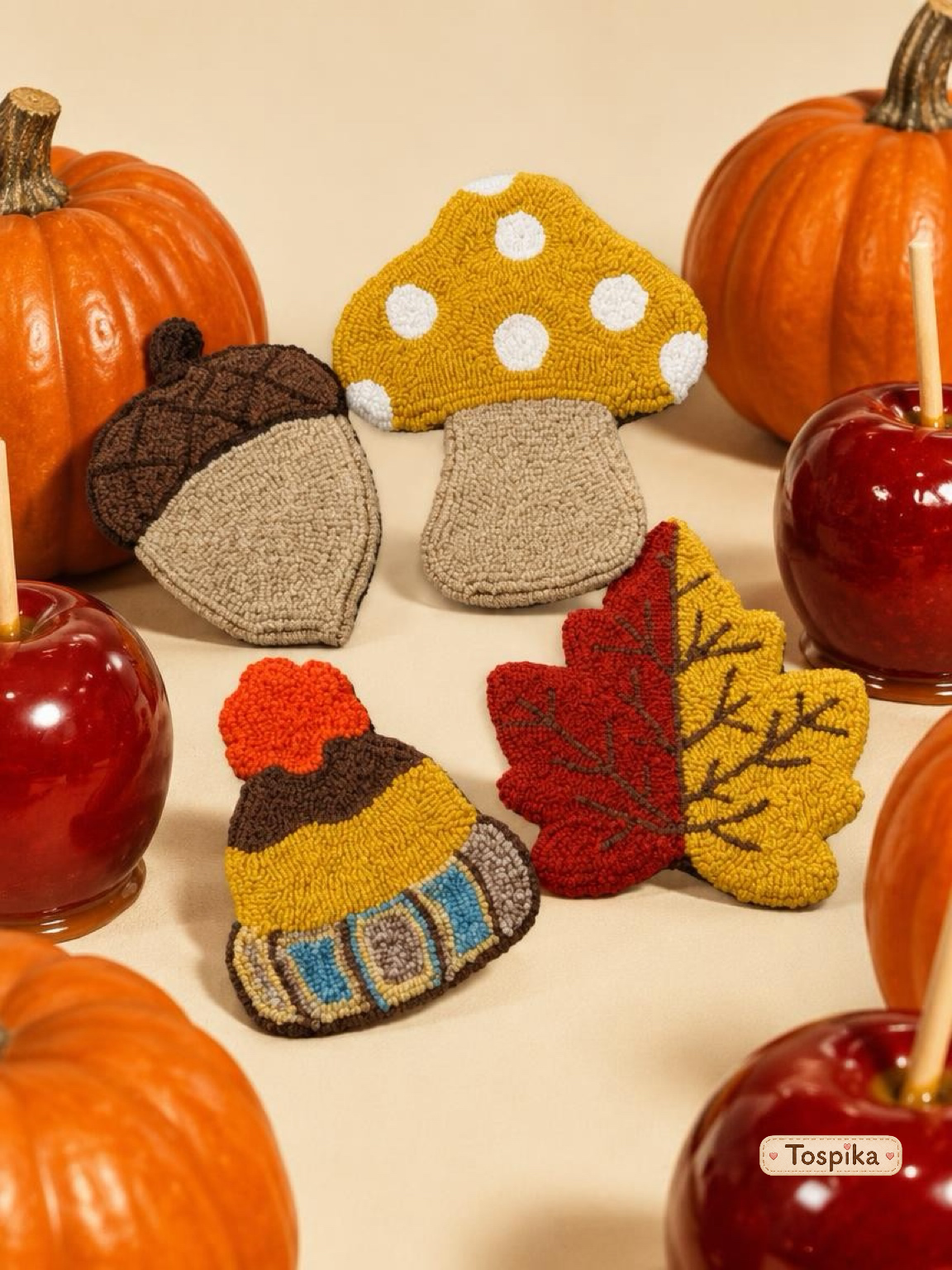
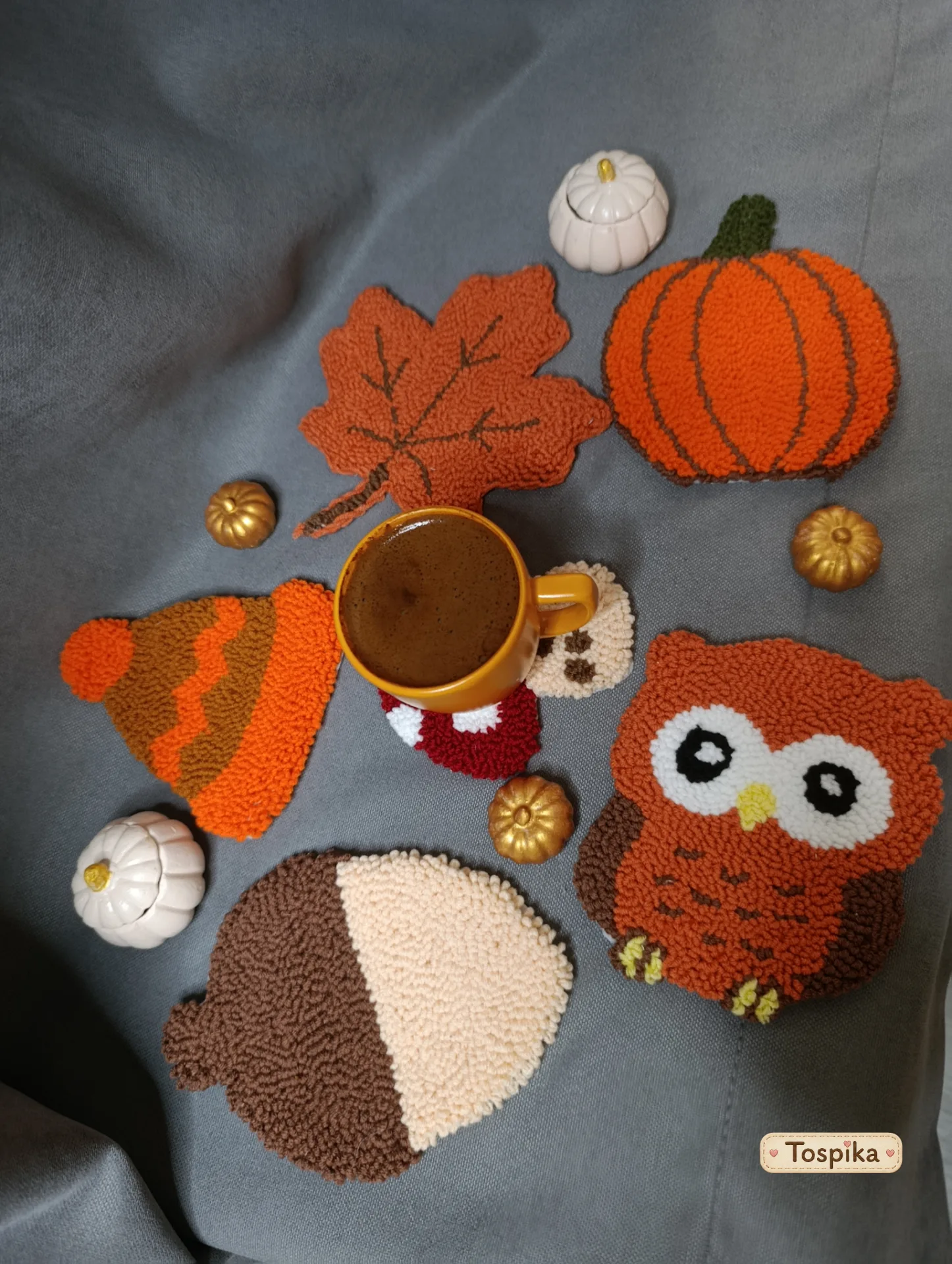
It is used for textured pieces such as wall art, cushions, coasters, keyrings and small rugs. Because it works up quickly and relies on a few basic movements, many people find it an easy craft to start with.
How does a loop form?
The yarn runs through the hollow shaft and exits at the eye near the tip. When the needle is pushed all the way into the fabric, the yarn is carried to the other side; when the needle is lifted back to the surface, a loop stays behind. Without leaving the fabric, the needle glides a short distance forward and the movement repeats.
No knot holds the loop. Friction from the fabric fibres and the pressure of neighbouring loops keep the work in place, which is why taut fabric and a good match between needle size and yarn thickness matter. Clover's tutorial recommends stretching the fabric in the hoop as tightly as possible, and notes that thread tails can simply be left on the back without knots.
Why do the two sides look different?
The side you draw on and punch from is usually the back of the finished piece. It shows rows of flat stitches, while the loops build a plush, pile-like texture on the opposite side. If your design includes lettering or has a direction, transfer it mirrored.
Some makers deliberately use the flat-stitch side as the front, and both textures can be combined in one piece.
Punch needle vs rug hooking, tufting and embroidery
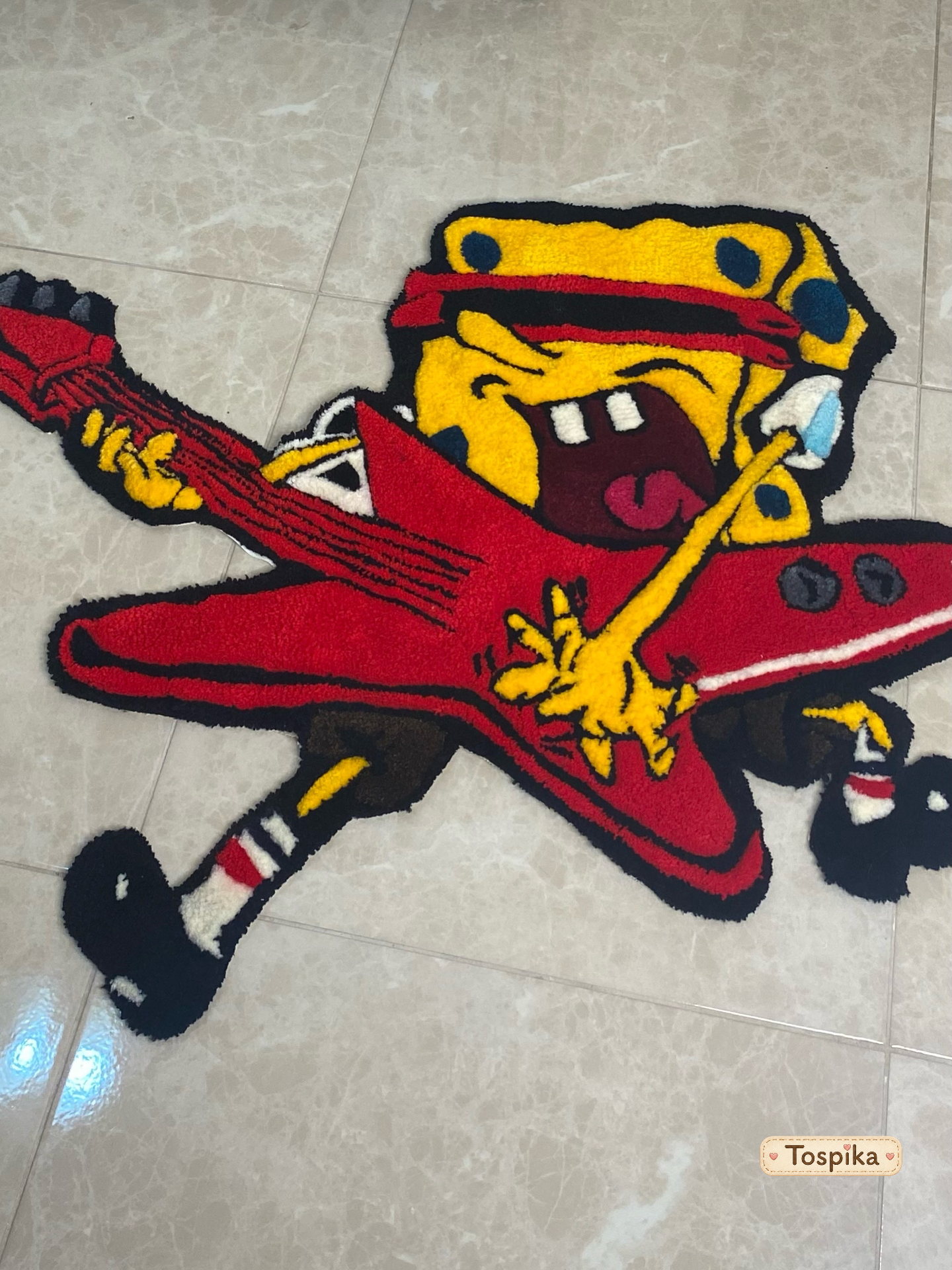
These crafts produce similar looped surfaces, but they are not the same technique. In traditional rug hooking, a crochet-like hook pulls yarn or fabric strips up from below; with a punch needle, the yarn is pushed down. Tufting is usually done with an electric tufting gun on large stretched frames. In classic embroidery, each stitch carries the thread through both sides of the fabric.
A short history with no single origin
Punch needle has no single inventor or exact date of birth. At least three traditions shape today's craft: punch needle rug hooking in North America, fine punch needle embroidery associated with Russian Old Believer communities, and the Japanese fine-thread technique known as bunka shishu.
Rug Hooking Magazine notes that hooking with a hook came first and that patents for punch tools date back to the 1880s. According to sisterMAG, Russian punch needle embroidery became known outside Old Believer circles in the 1970s. Bunka shishu is more delicate and less suited to everyday use than the other two traditions.
What to know before you start
Not every punch needle suits every yarn or fabric. Fine needles work with separated embroidery floss, while larger needles need wool yarn and a sturdy foundation fabric with a suitable weave. The standard needle in Clover's embroidery stitching tool, for example, is designed for three strands of floss, and other thicknesses need different needles. Punching a small sample first is the easiest way to check whether the loops hold.
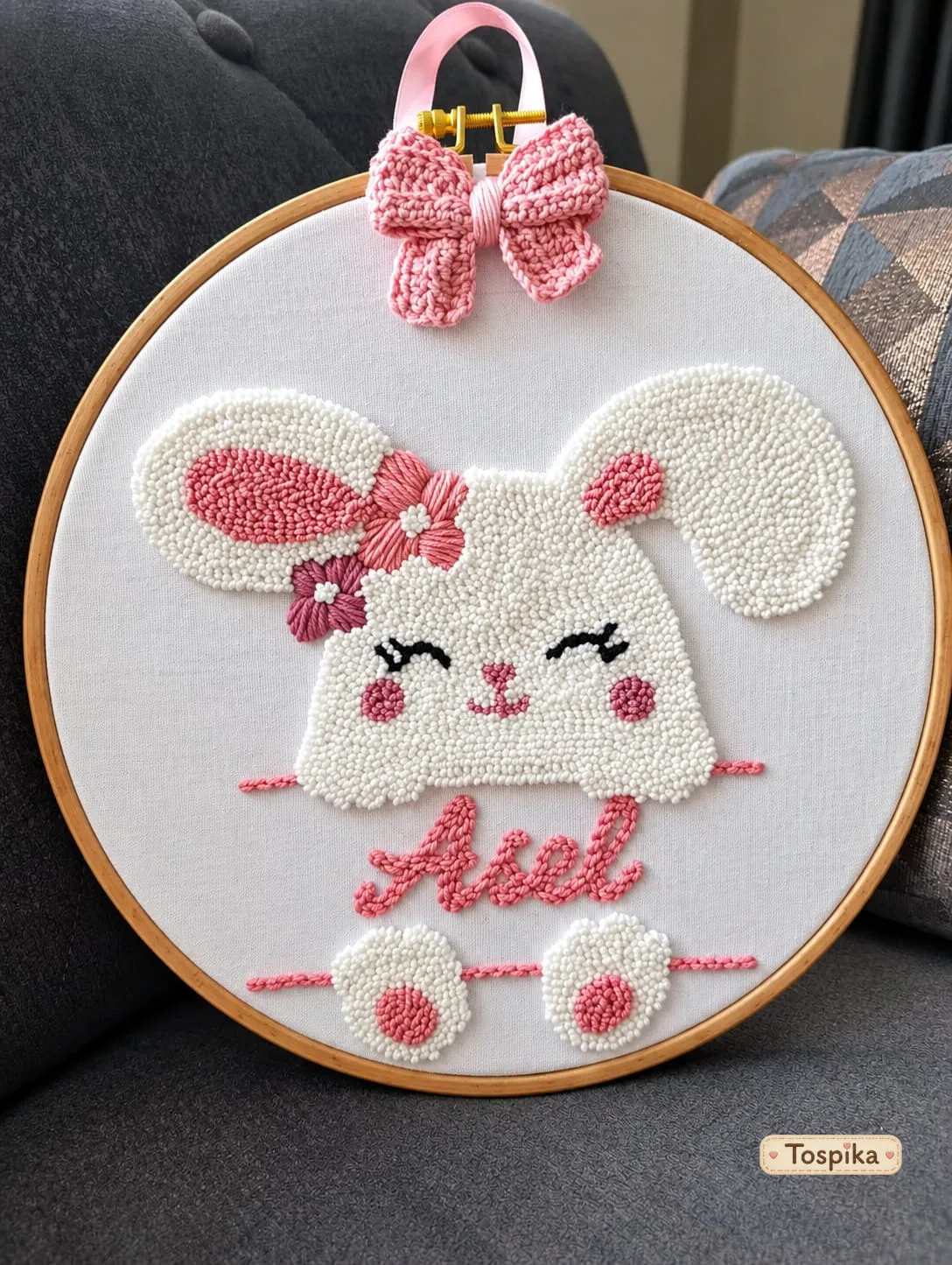
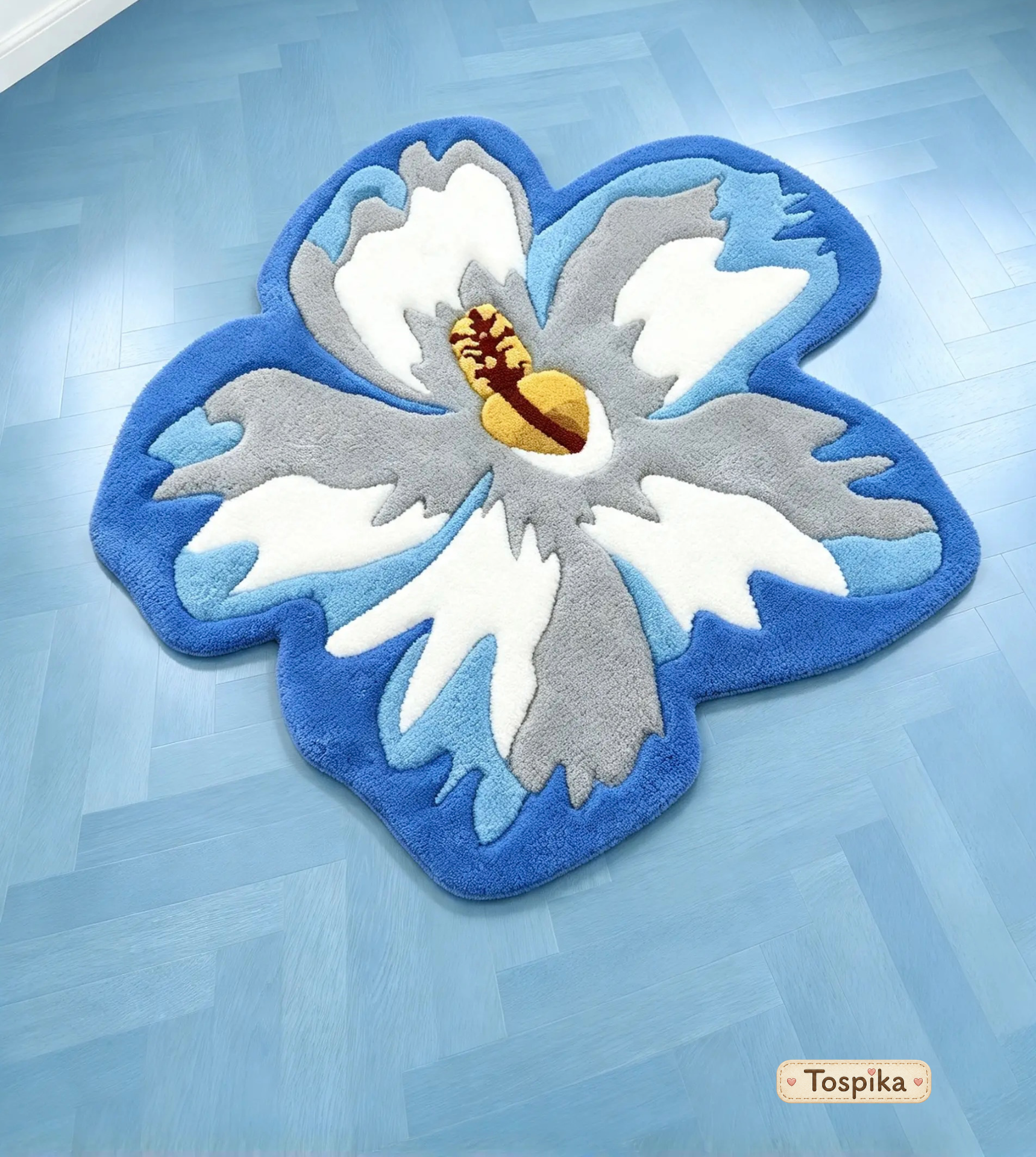
Looking at finished work also helps you understand loop density and colour transitions. Explore punch needle pieces by women makers on Tospika and contact each maker directly with your questions. Tospika is not involved in sales or payments and takes no commission.
Frequently asked questions
- Is punch needle the same as embroidery?
- No. In classic embroidery, the thread passes through both sides of the fabric. With a punch needle, you always work from one side and the yarn stays on the other side as a loop.
- Do you need to tie knots in punch needle?
- Usually not. Taut fabric and closely packed loops hold the yarn in place, and thread tails are simply left on the back.
- Which side is the front of a punch needle piece?
- Usually the looped side. Some designs deliberately use the flat-stitch side you work from as the front.
- Is punch needle the same as tufting?
- No. Both create looped surfaces, but tufting is usually done with an electric gun on large frames, while punch needle uses a hand-held needle.
- Is punch needle hard to learn?
- The basic movement is quick to learn. The parts that need care are fabric tension and matching needle, yarn and fabric, so starting with a small sample helps.
Sources
- Quick ‘n Easy Embroidery with Stitching Tool — Clover (2018-03-23) blog.clover-usa.com · Accessed: 2026-10-19
- To Punch or to Hook? — Rug Hooking Magazine rughookingmagazine.com · Accessed: 2026-10-19
- The History of Punch Needle — sisterMAG (2021-05) sister-mag.com · Accessed: 2026-10-19
Related content
Punch Needle Supplies for Beginners
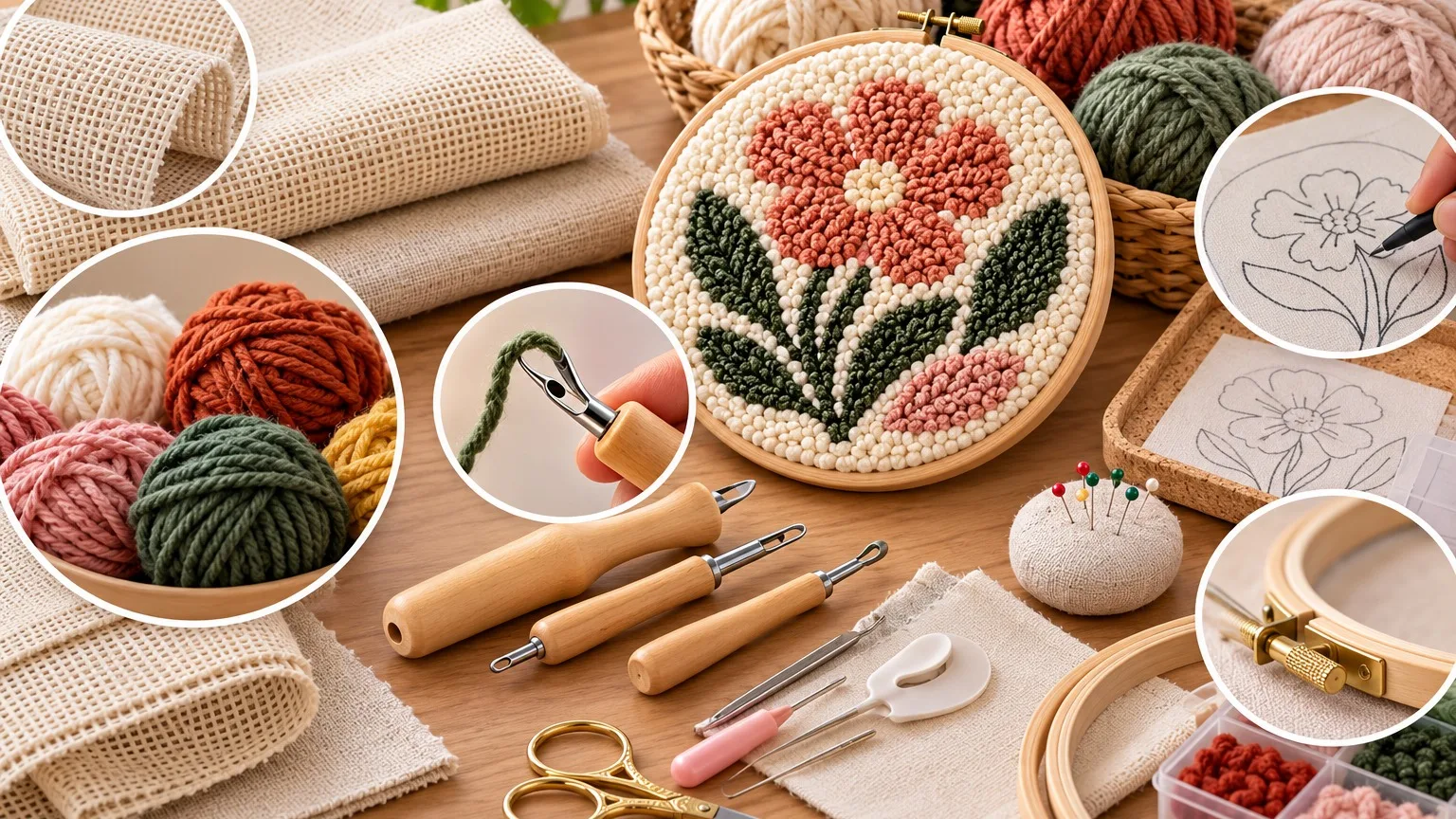
In punch needle, needle, yarn and fabric work as one system. If one part does not match, loops come loose, the needle jams or the fabric is strained.
Read more