History of Crochet: Where, When and Who Invented It?
Crochet has no securely documented single inventor or birthplace. Its modern history becomes clearer through nineteenth-century pattern books, lace production and the movement of domestic craft knowledge.
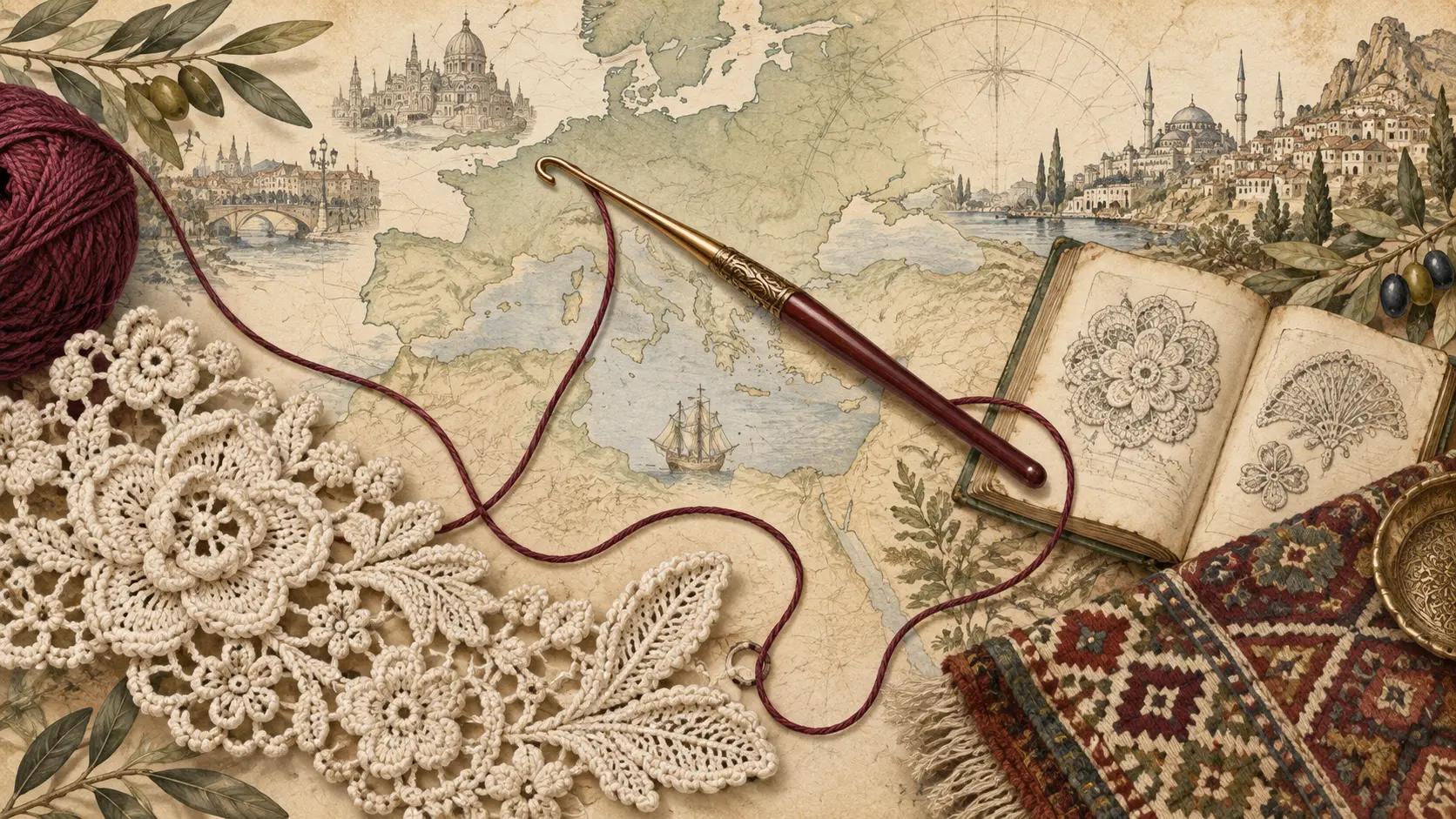
What is crochet?
Crochet creates fabric by drawing yarn through loops with a single hooked tool. Unlike knitting, which normally keeps a row of live loops on two needles, crochet usually works from one active loop. Chains, slip stitches, single crochet, double crochet and many related constructions can produce anything from firm bags to open lace.
The familiarity of the craft can make its history look simpler than it is. Much crochet knowledge circulated through homes and oral teaching, where it was used rather than formally archived. Surviving objects must also be studied by structure: an old textile that looks crocheted may have been made by another looping or lace technique.
Who invented crochet?
No reliable document identifies one person as the inventor of crochet. Hooked looping methods may have appeared in more than one place, but similarity alone does not prove a direct line to modern crochet. The tool, loop construction and documentary context all matter.
A careful historical answer therefore separates origin from documentation. The ultimate origin remains uncertain, while the recognisable modern craft becomes much better documented in nineteenth-century Europe. Claims that one ancient culture or one country definitively invented crochet go beyond the surviving evidence.
The nineteenth-century pattern boom
During the nineteenth century, needlework manuals and periodicals moved instruction beyond face-to-face teaching. They helped stabilise names, written directions and repeatable patterns. Eléonore Riego de la Branchardière was one of the most influential authors in this process.
Her 1847 title The Crochet Book survives in museum and digital collections. It does not mark a single invention date; it is evidence that crochet was being named, organised and marketed to a broad readership. Successive editions also show how quickly patterns and terminology developed in print.
Irish crochet and livelihood
Irish crochet lace demonstrates that crochet was more than a genteel pastime. It used separately made floral and leaf motifs joined by a mesh ground to imitate the richness of expensive lace. Teaching networks and household production turned skill into saleable work.
Museum histories connect Irish crochet with nineteenth-century economic survival and later international trade. Its value lies not only in visual complexity but in the relationship between design, labour, teaching and income—an important reminder that decorative craft is also economic history.
Crochet in Anatolian craft life
Anatolia already held diverse traditions of looping, lace, edging, knitting and decorative textile work. Crochet entered this broad landscape and was used for household lace, edgings, purses, slippers, garments and later toys. These objects should not all be collapsed into one technique or assigned one date.
Studies of decorative knitting and crochet in Türkiye document chains, compact stitches and taller crochet stitches across twentieth-century examples. Family teaching, neighbourhood exchange, dowry preparation and organised courses all helped knowledge travel. A finished object could carry beauty, skill, identity and economic value at the same time.
From inheritance to contemporary design
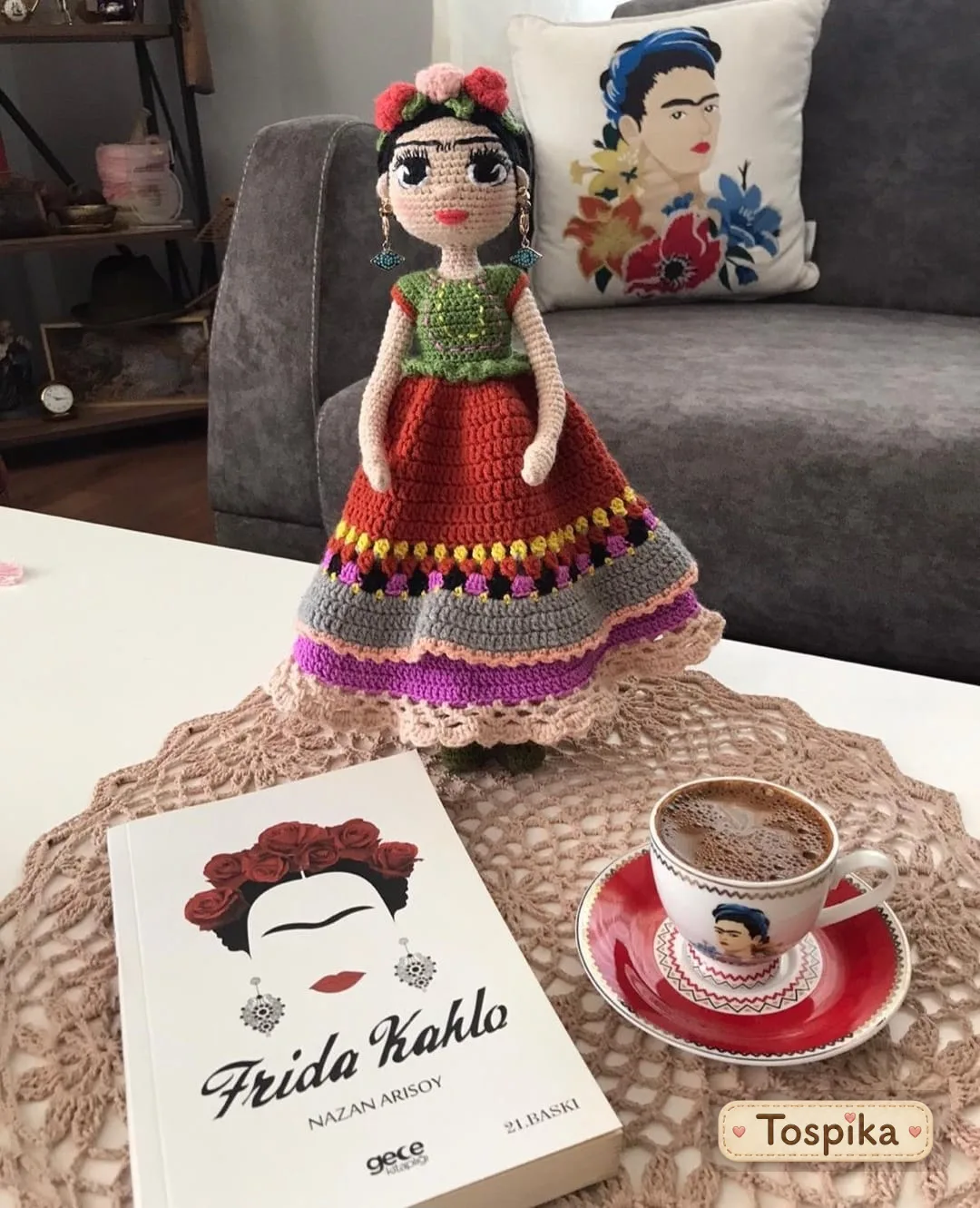
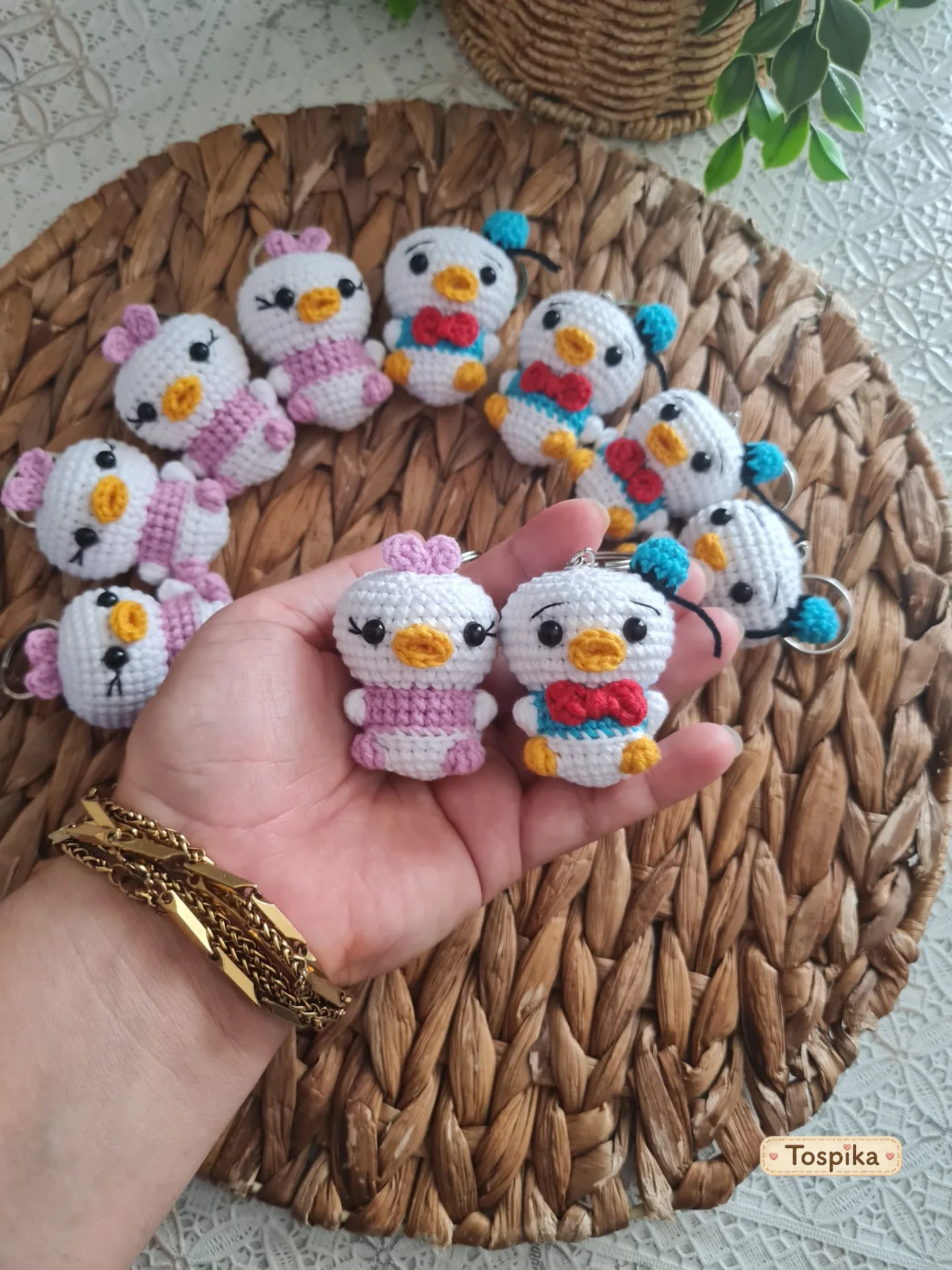
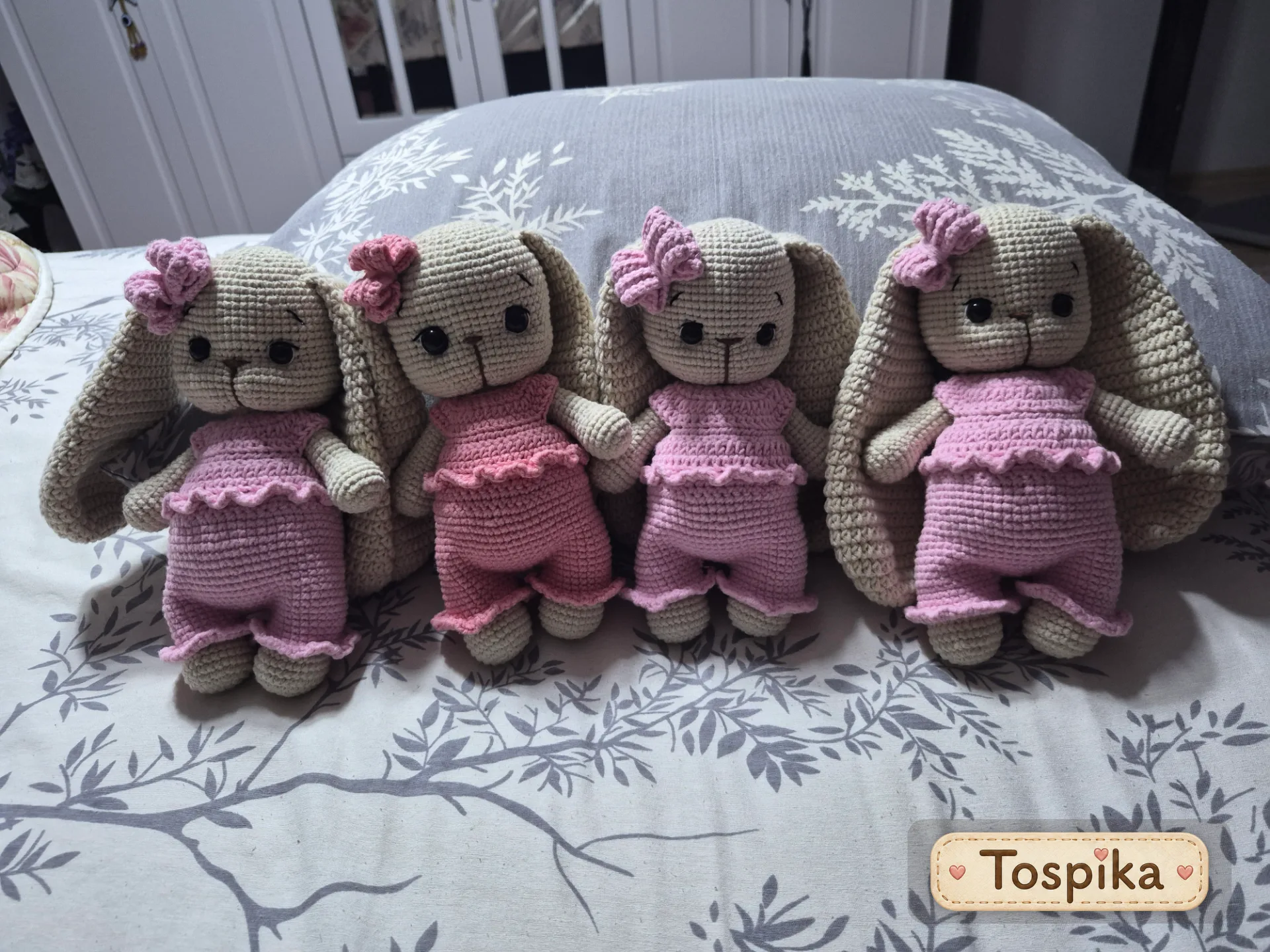
Crochet now appears in amigurumi, accessories, fashion and contemporary art. Digital patterns and video lessons accelerate exchange, but they can also detach a technique from the maker and community that sustained it.
A responsible craft library records evidence, acknowledges uncertainty and credits living makers. Crochet history is not a straight line from one inventor to the present; it is a network of people who adapted a flexible looping method to local needs and aesthetics.
Frequently asked questions
- Which country invented crochet?
- No single country has been proven to have invented modern crochet. The craft becomes clearly documented in nineteenth-century European publications.
- Who invented crochet?
- There is no verified sole inventor. Eléonore Riego de la Branchardière was an influential nineteenth-century author and promoter, not a securely established inventor of the craft.
- When did crochet become popular?
- Its visibility expanded during the nineteenth century through manuals, magazines, lace production and teaching networks.
- Why is Irish crochet important?
- It combined a distinctive lace-making method with teaching and household income, giving the craft major artistic and social significance.
- How did crochet become part of Anatolian craft culture?
- It entered an already diverse textile environment and spread through family teaching, community exchange, dowry work and later formal courses.
Sources
- The Crochet Book Parts I–10 — The Metropolitan Museum of Art metmuseum.org
- The Crochet Book — Google Books / Oxford University copy books.google.com
- The Crochet Book, Fourth Series — Project Gutenberg gutenberg.org
- Irish Crochet Lace: 150 Years of a Tradition — Lacis Museum of Lace and Textiles lacismuseum.org
- 20. Yüzyıla Ait Ürünlerden Örneklerle Ülkemizde Dekoratif Örgücülük — Arış Sanat Tarihi Dergisi / Atatürk Kültür Merkezi Başkanlığı aris.gov.tr
Related content
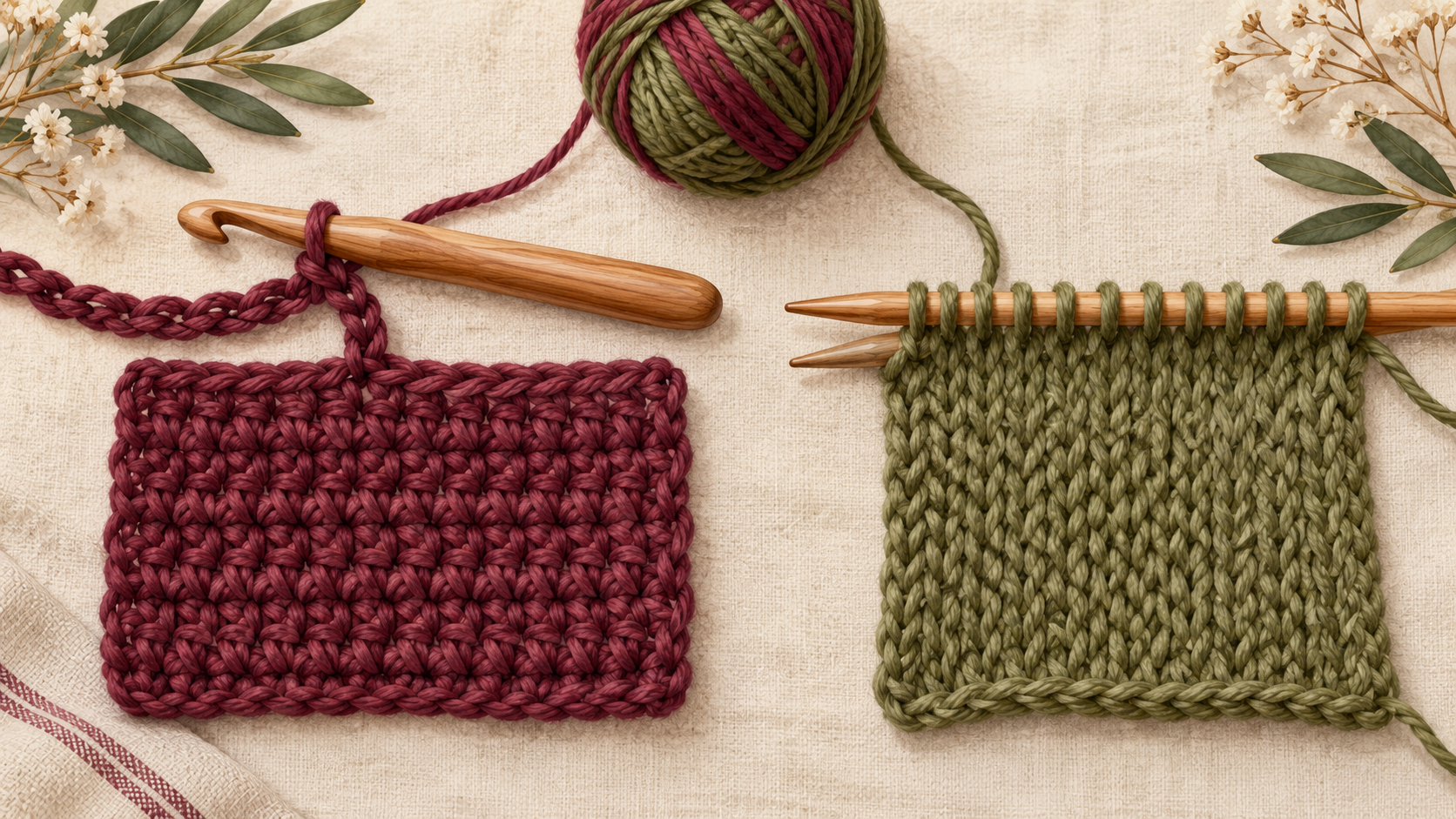
Crochet vs Knitting: What Is the Difference?
Crochet usually works one active loop with a hook; knitting holds many live loops across two needles. That structural difference changes the process, fabric and best uses.
Read more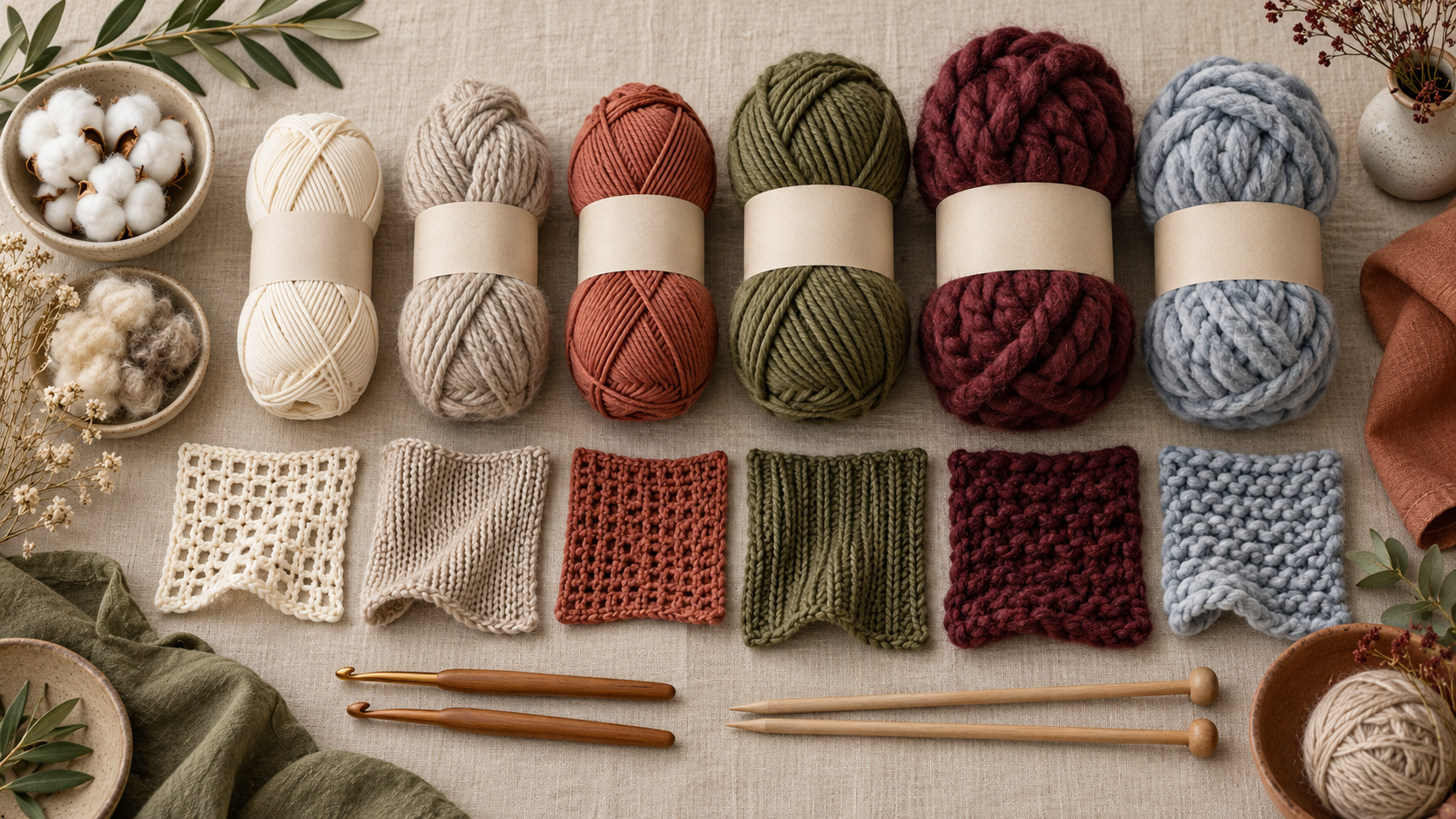
How to Choose the Right Yarn for Crochet and Knitting
Yarn choice is more than colour. Fibre, thickness, twist, yardage, care and gauge work together to determine how a handmade object looks and performs.
Read more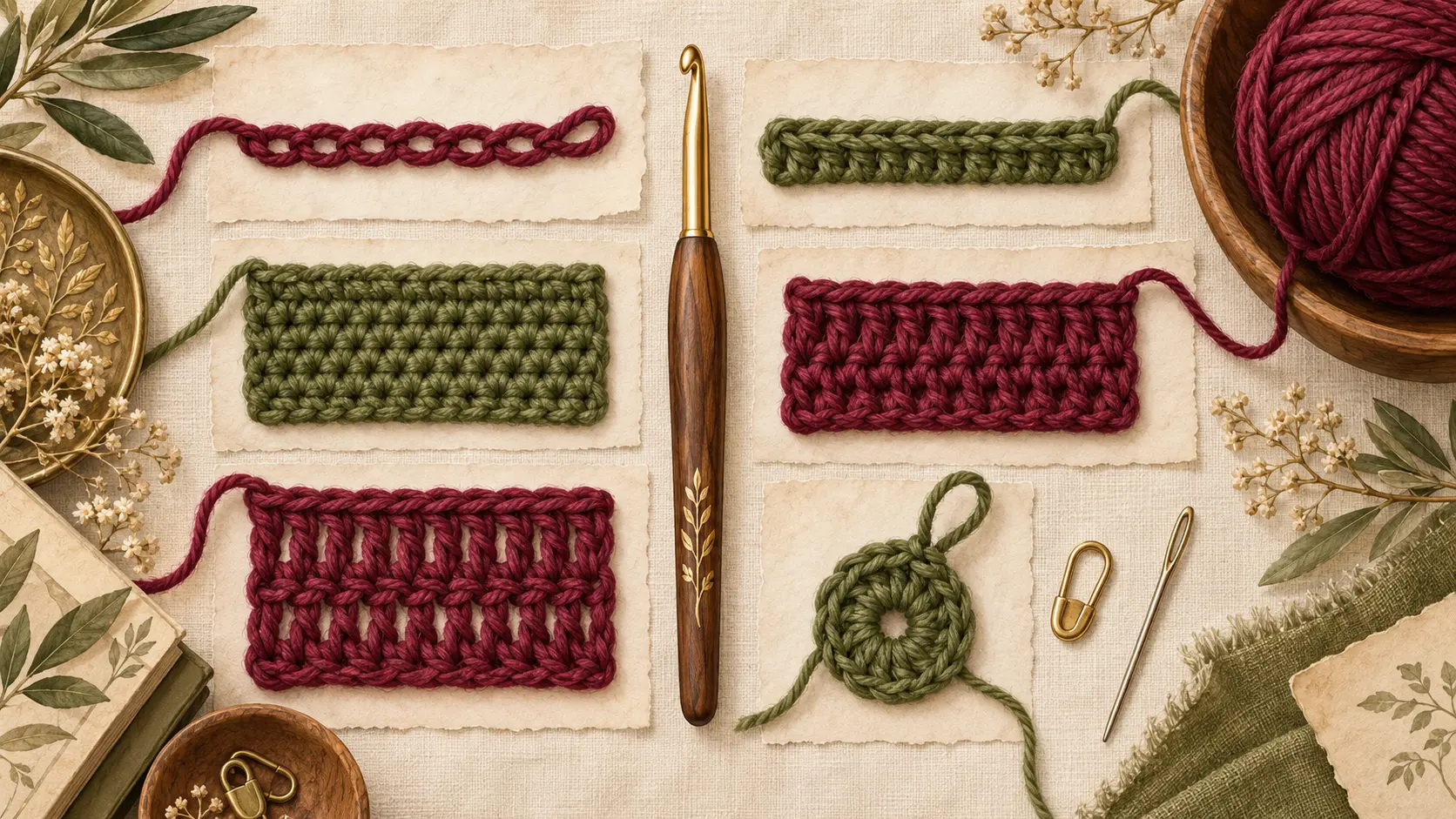
Beginner Crochet Glossary: Essential Stitches and Terms
Crochet patterns become easier to read once you know the core terms—and whether the designer is using US or UK terminology.
Read more