How to Choose the Right Yarn for Crochet and Knitting
Yarn choice is more than colour. Fibre, thickness, twist, yardage, care and gauge work together to determine how a handmade object looks and performs.
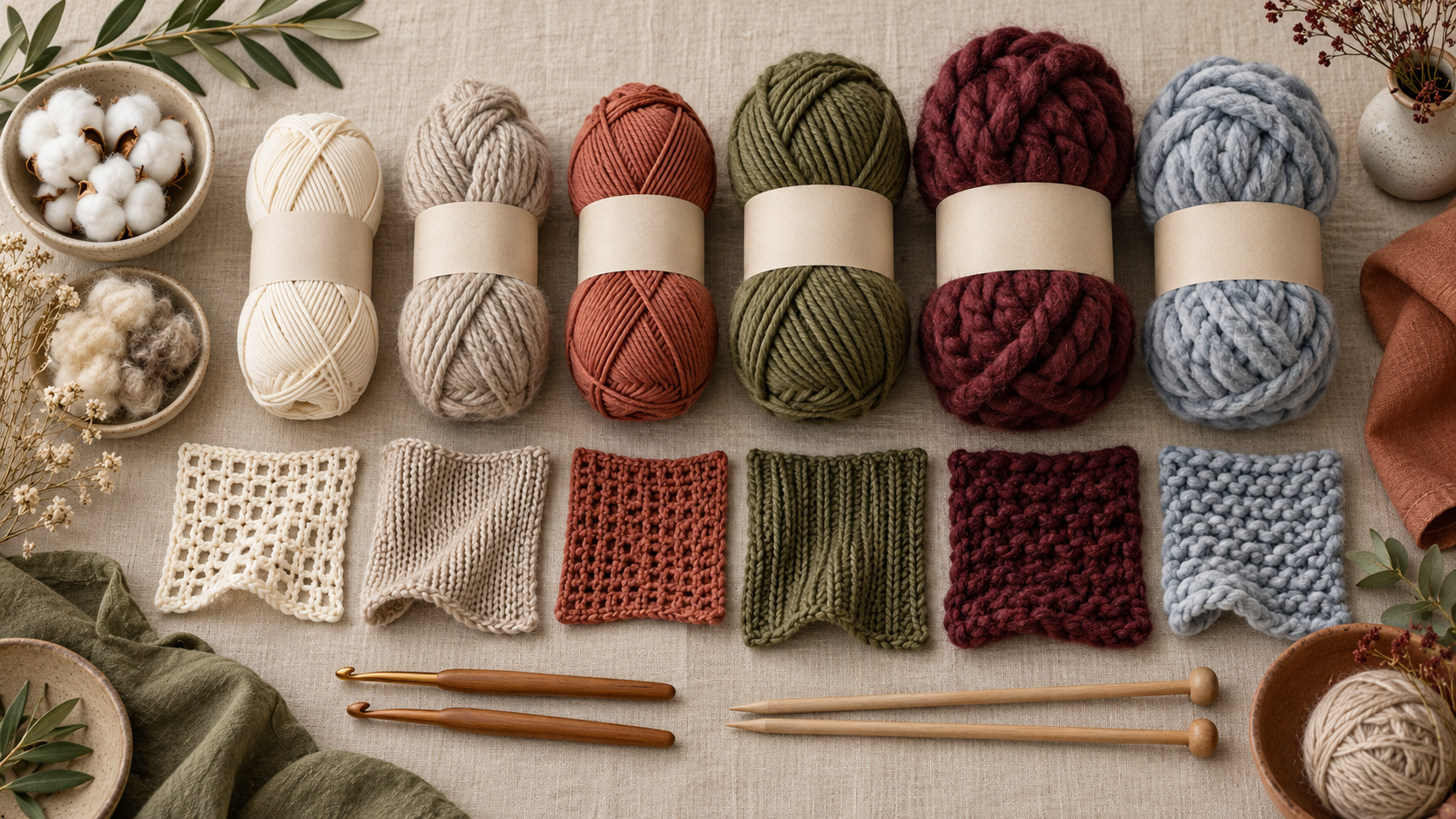
Start with the job of the finished object
Begin with use rather than colour. Will the item touch skin, need frequent washing, hold a firm shape or fall softly? A bag and a baby blanket do not ask the same thing from yarn; neither do a summer top and a stuffed toy.
When following a pattern, treat its fibre, yarn category, yardage and gauge as the starting specification. Another brand may work, but the weight of a ball alone does not prove that two yarns are equivalent.
Read the whole yarn label
A useful label may state fibre percentages, physical weight, length in metres or yards, suggested hook or needle, gauge, care symbols, colour number and dye lot. Two 100-gram balls can hold very different lengths because their fibres and thicknesses differ.
The Craft Yarn Council groups handcraft yarn from 0, the finest, to 7, the thickest. It is a helpful shared vocabulary, not a guarantee. Suggested tool sizes are guidelines; the pattern's gauge and your washed swatch decide suitability.
Fibre: cotton, wool and synthetics
Cotton is naturally absorbent and breathable and can show stitches clearly. It is useful for summer pieces, cloths, bags and projects requiring definition. Because it may recover less readily than wool, test heavy garments for growth.
Wool is valued for warmth regulation, elasticity and recovery, making it useful for clothing and winter accessories. Softness and care vary by fibre diameter and yarn construction. Follow the label: some wool requires hand washing while other yarn is treated for machine care.
Acrylic and other synthetics can offer colour range, accessibility and easy care. Their response to heat differs from natural fibres, so labels matter for ironing and drying. Blends can be engineered to balance characteristics rather than simply dilute one fibre.
Match yarn to project
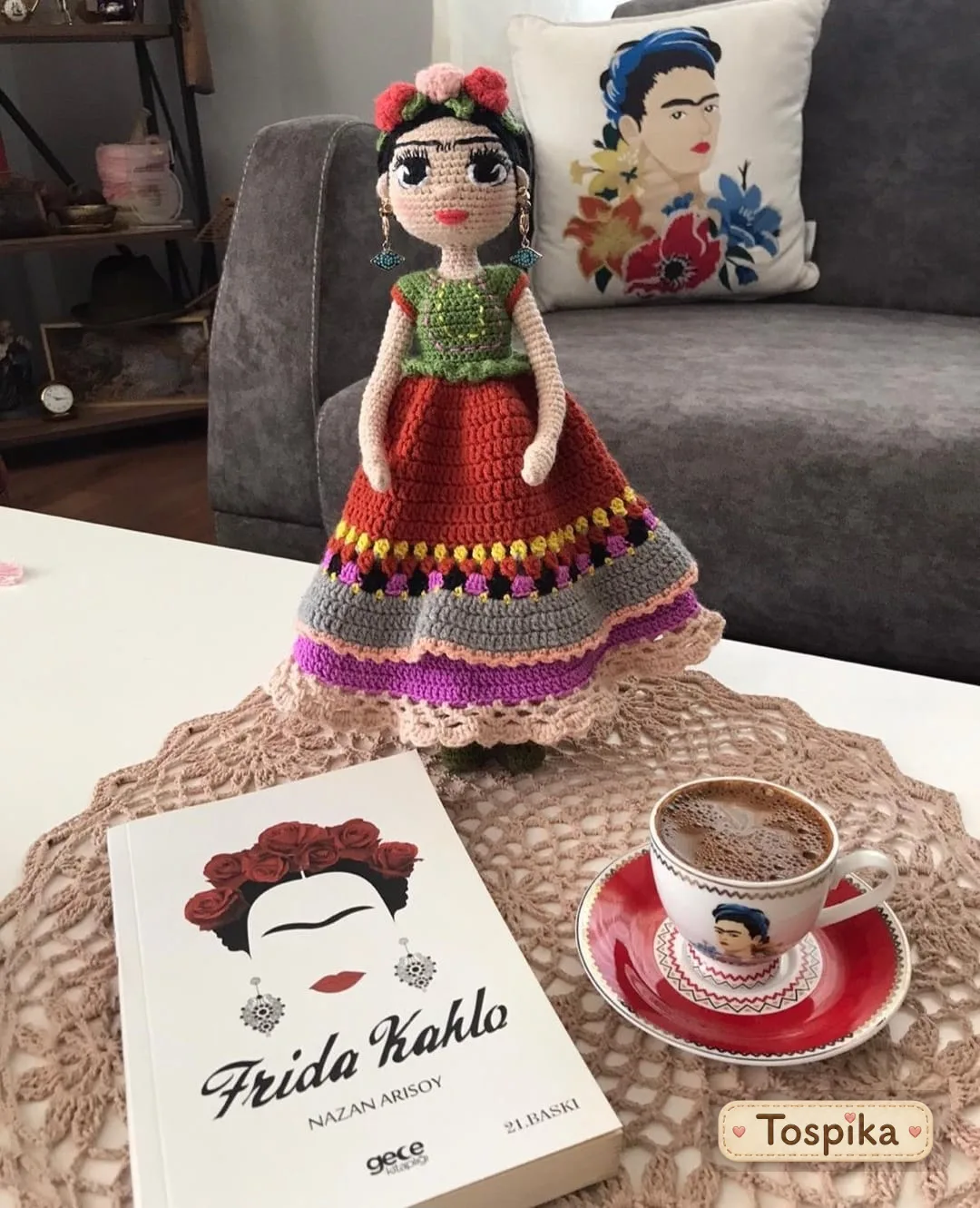
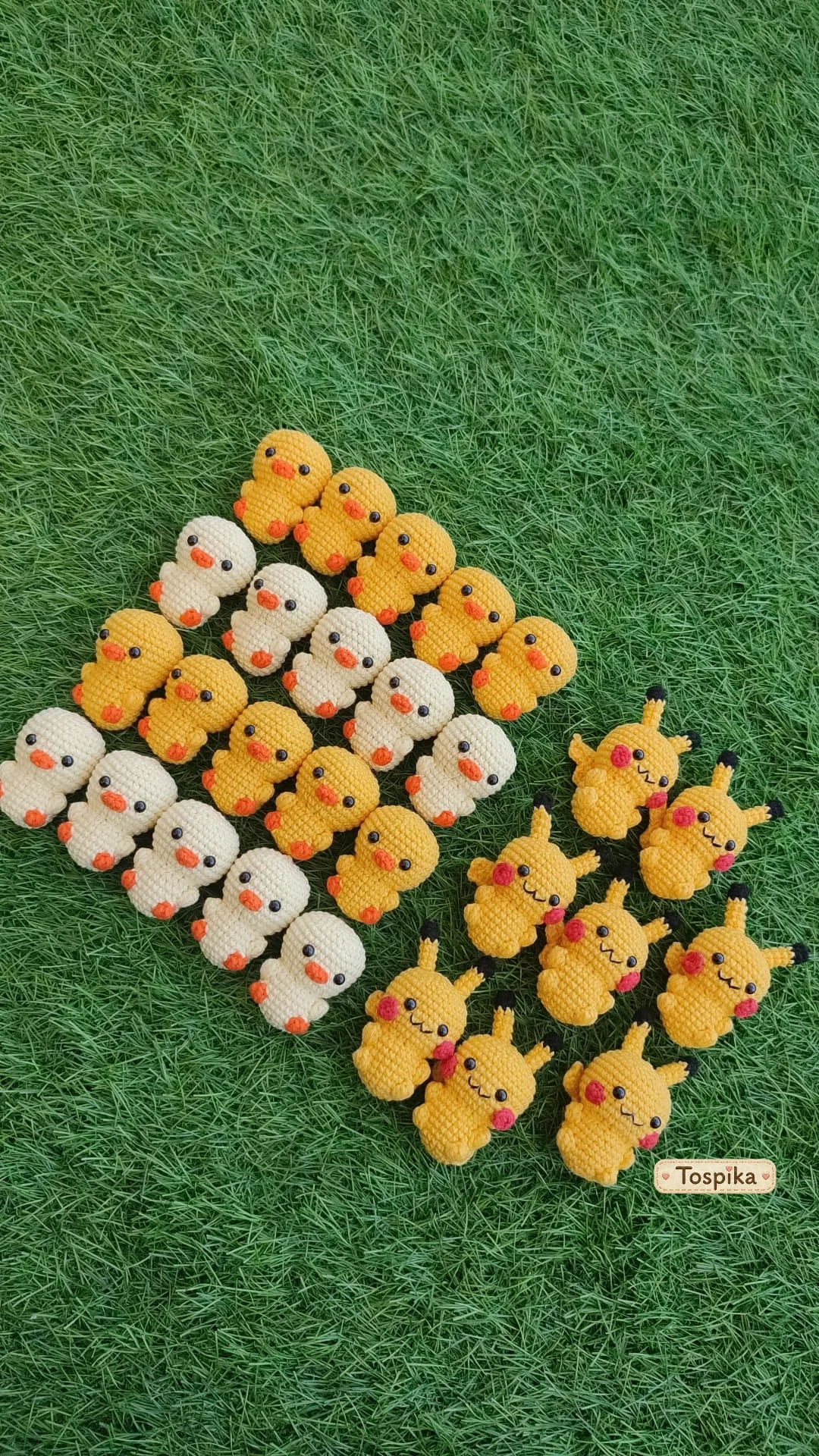
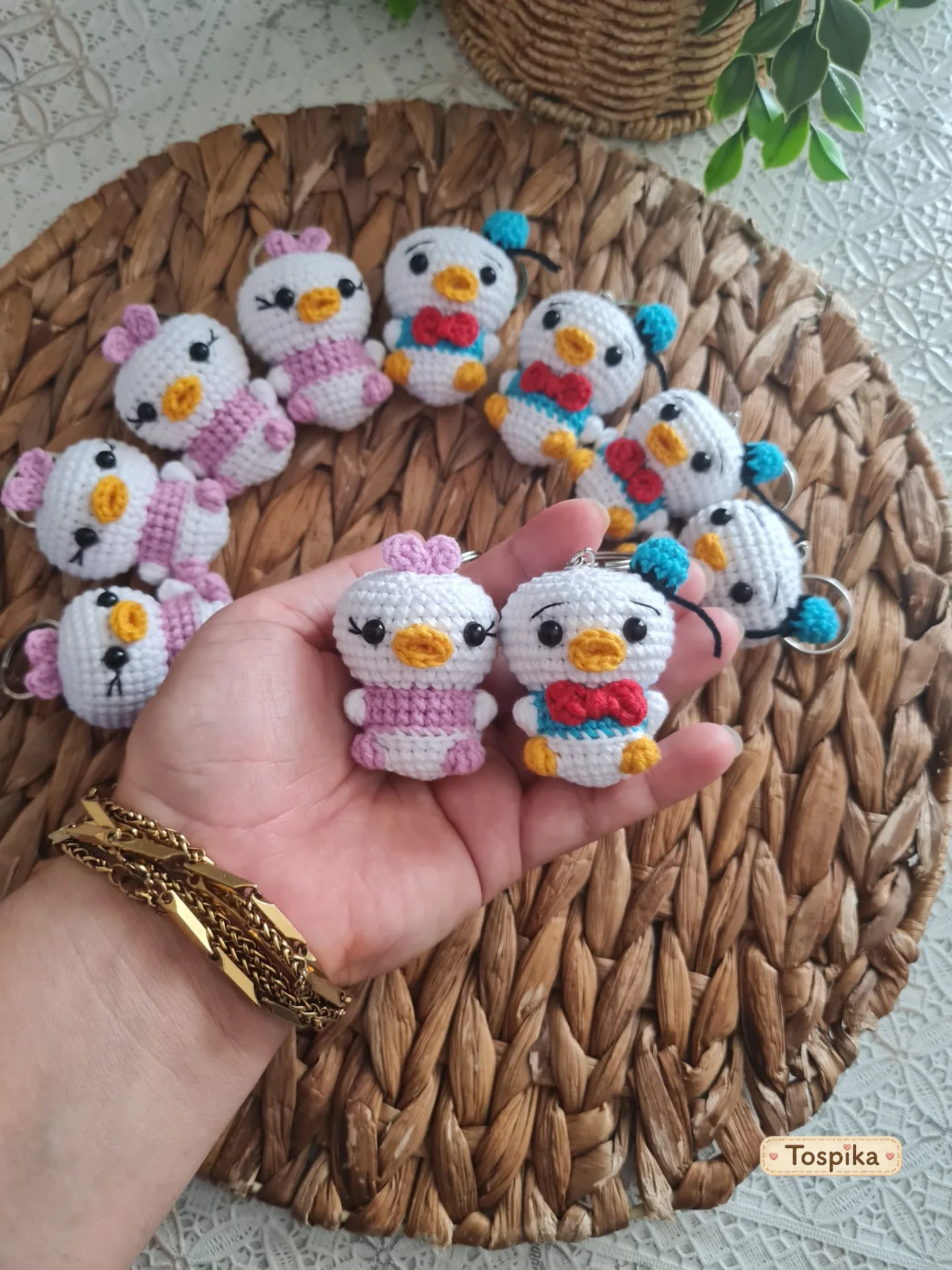
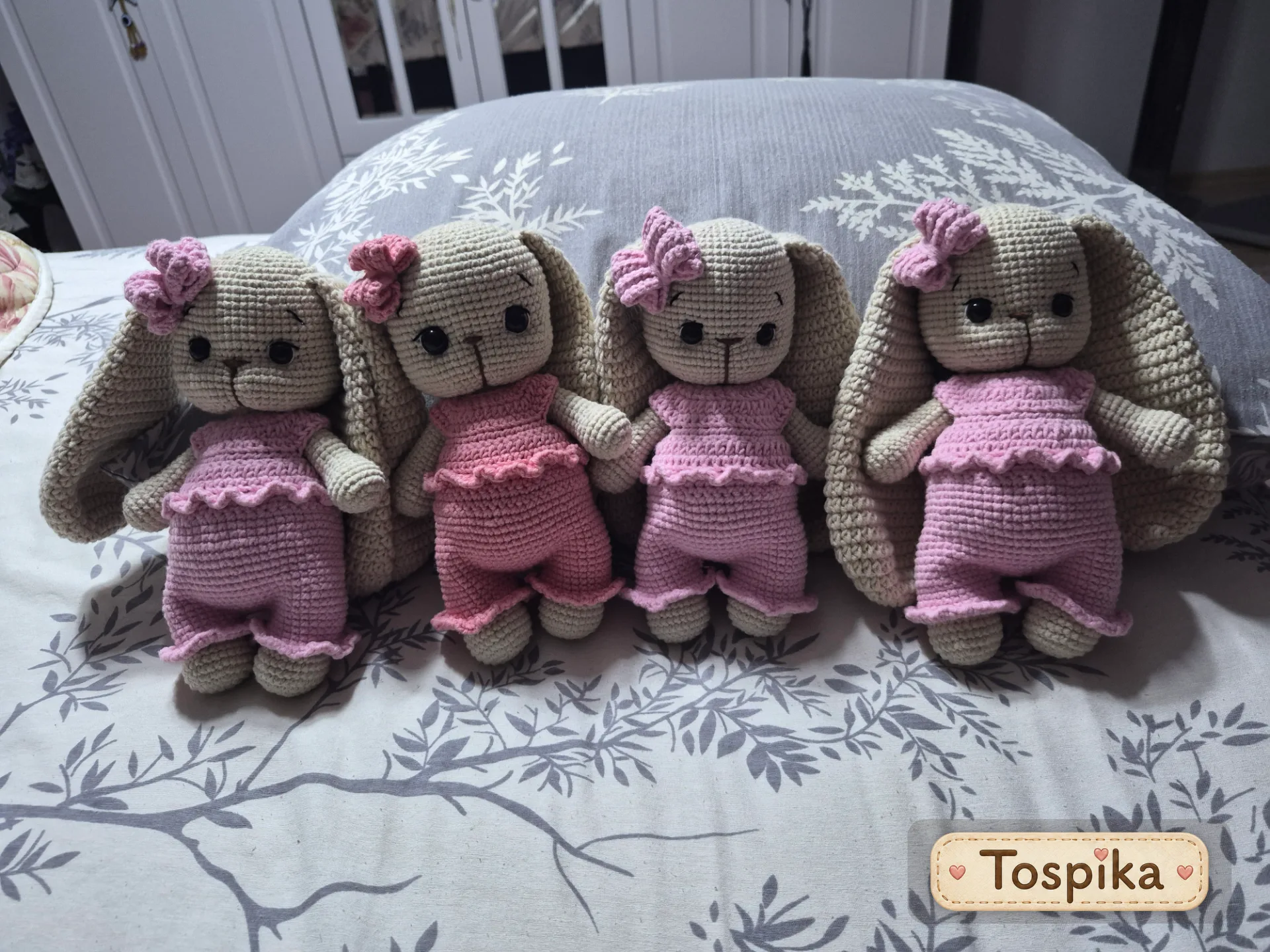
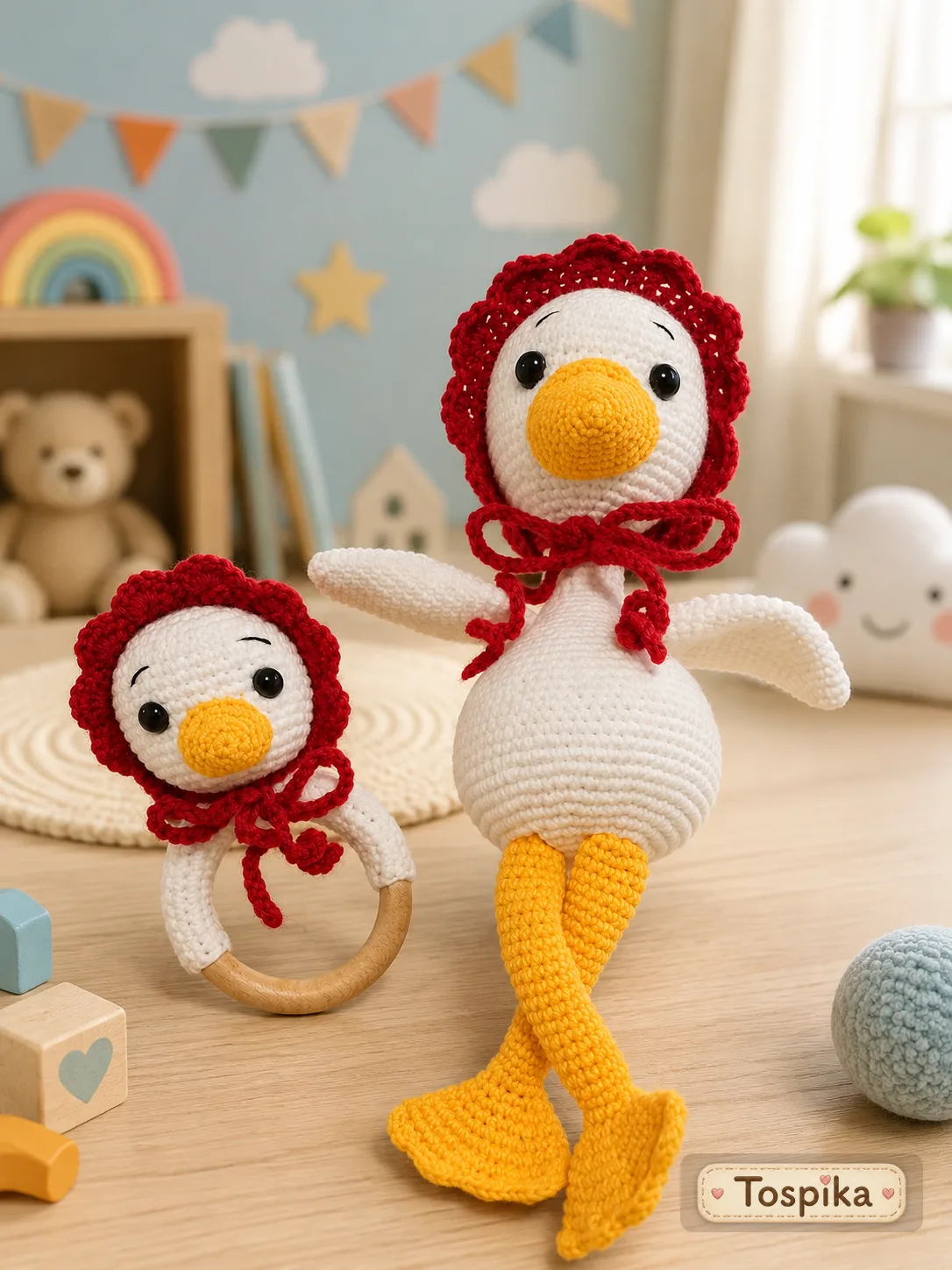
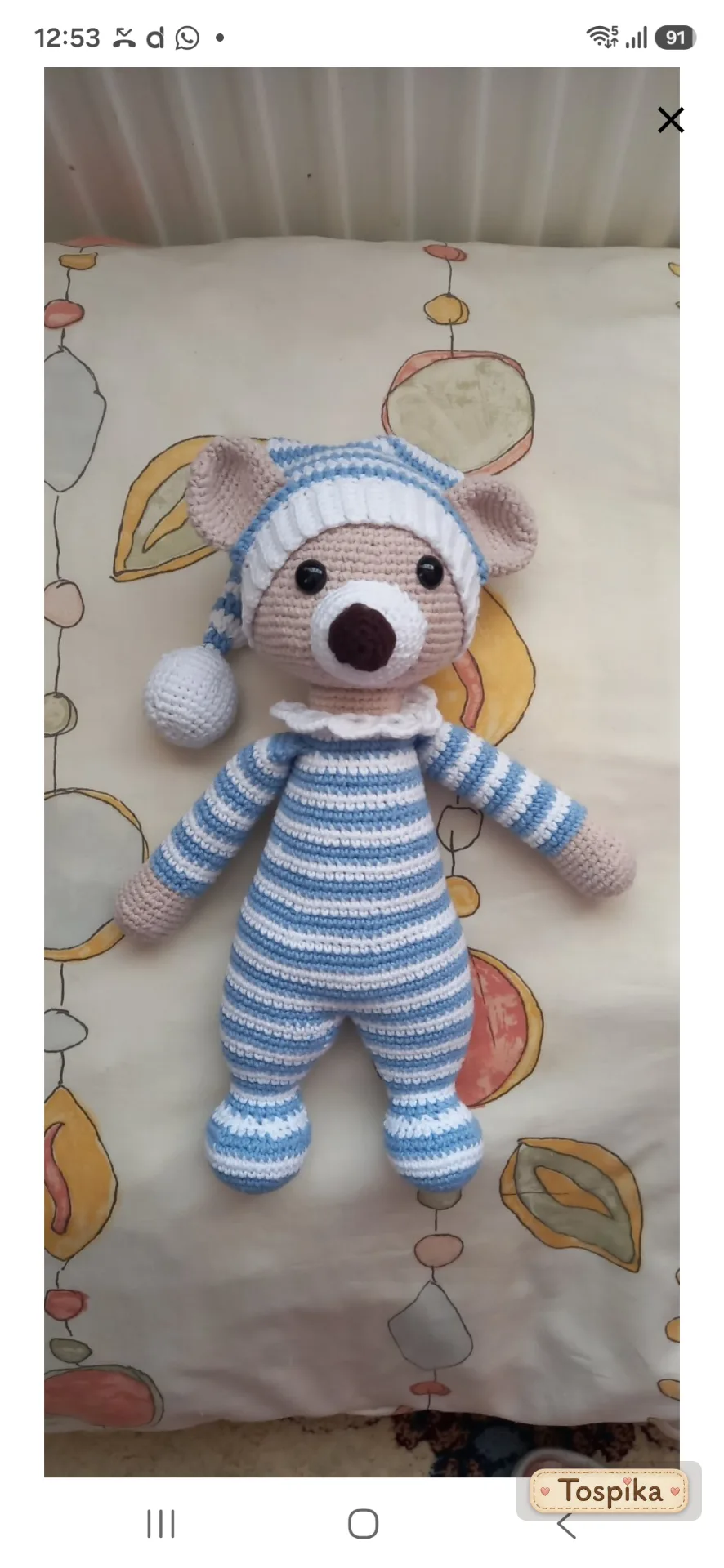
Amigurumi usually benefits from clear stitches, low fuzz and a yarn that forms compact fabric; cotton-rich yarns are common. For baby items, consider softness, washing, age-appropriate construction and safe attachments together.
Bags benefit from abrasion resistance and limited stretch. Sweaters need the right balance of drape, weight, skin feel and warmth. Lace and shawls need a yarn whose twist and thickness allow openwork to read. Household items should be chosen around cleaning and repeated use.
Why a swatch is essential
Gauge is the number of stitches and rows in a defined area. Two makers can use the same yarn and hook yet create different density. That difference changes garment size, stuffing visibility, bag firmness and blanket dimensions.
Make a swatch larger than the measurement area, wash and dry it as the finished item will be treated, then measure. This reveals drape, growth, shrinkage, colour behaviour and surface change before the full project is at risk.
Colour, dye lots and quantity
Yarn with the same colour number may vary slightly between dye lots. For a large project, buy the required amount from one lot. If lots must be mixed, alternating them across rows can soften a visible boundary.
A swatch gives the most useful consumption data when changing size, yarn or design. Keep the labels until the project is finished; they preserve care information and make it easier to locate additional yarn.
Frequently asked questions
- What yarn is best for amigurumi?
- A smooth, low-fuzz yarn that forms compact, clearly defined stitches is useful. Cotton and cotton-rich blends are common, but care and toy-safety decisions still matter.
- What yarn should I use for baby projects?
- Choose yarn that is soft, washable and appropriate for the item's use. Also consider construction, attachments and the child's age.
- What do yarn weight numbers mean?
- In the Craft Yarn Council system, 0 is the finest category and 7 the thickest. The numbers are guidelines; pattern gauge remains essential.
- Can different yarn brands be mixed?
- Yes, if fibre, thickness, yardage, twist, care and gauge are compatible. Test them together in a washed swatch.
- Why do balls with the same colour number look different?
- They may come from different dye lots. Buy enough from one lot for large projects where possible.
Sources
- Standard Yarn Weight System — Craft Yarn Council craftyarncouncil.com
- Yarn Label Information — Craft Yarn Council craftyarncouncil.com
- Top 10 Yarn Questions & Answers — Craft Yarn Council craftyarncouncil.com
- Cotton Home Buyer's Guide — CottonWorks cottonworks.com
- Wool Washing & Wool Care — The Woolmark Company woolmark.com
Related content
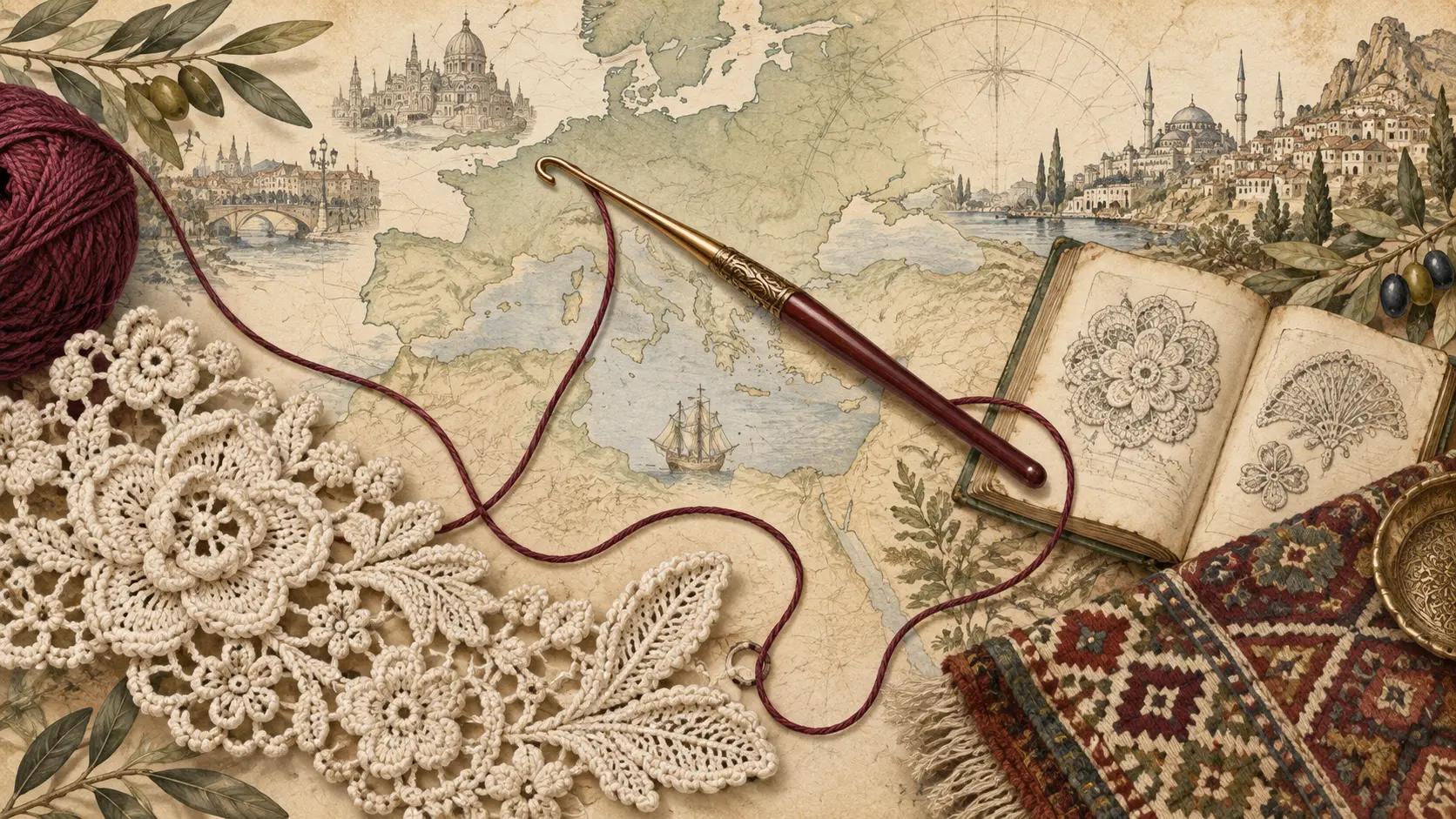
History of Crochet: Where, When and Who Invented It?
Crochet has no securely documented single inventor or birthplace. Its modern history becomes clearer through nineteenth-century pattern books, lace production and the movement of domestic craft knowledge.
Read more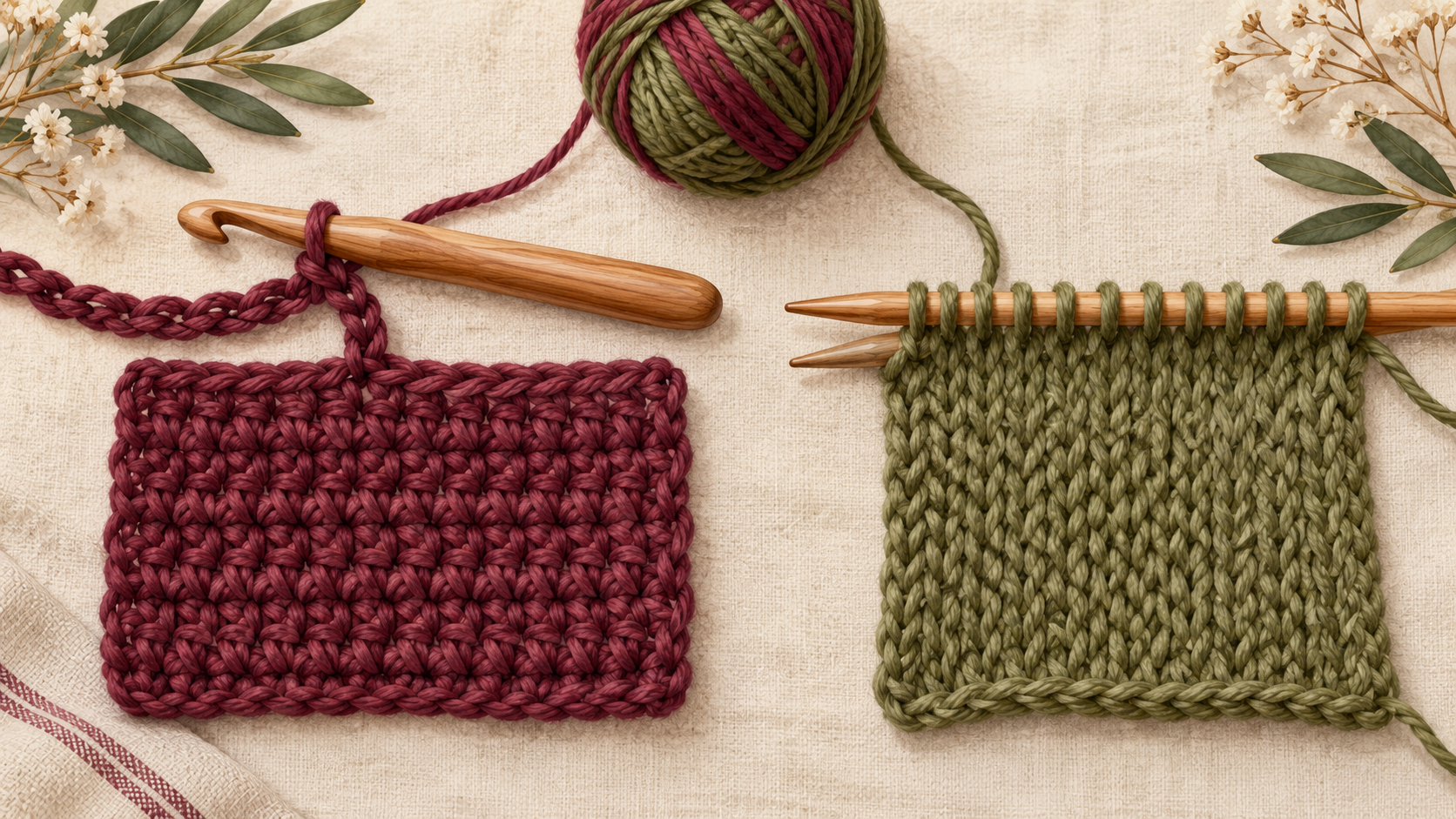
Crochet vs Knitting: What Is the Difference?
Crochet usually works one active loop with a hook; knitting holds many live loops across two needles. That structural difference changes the process, fabric and best uses.
Read more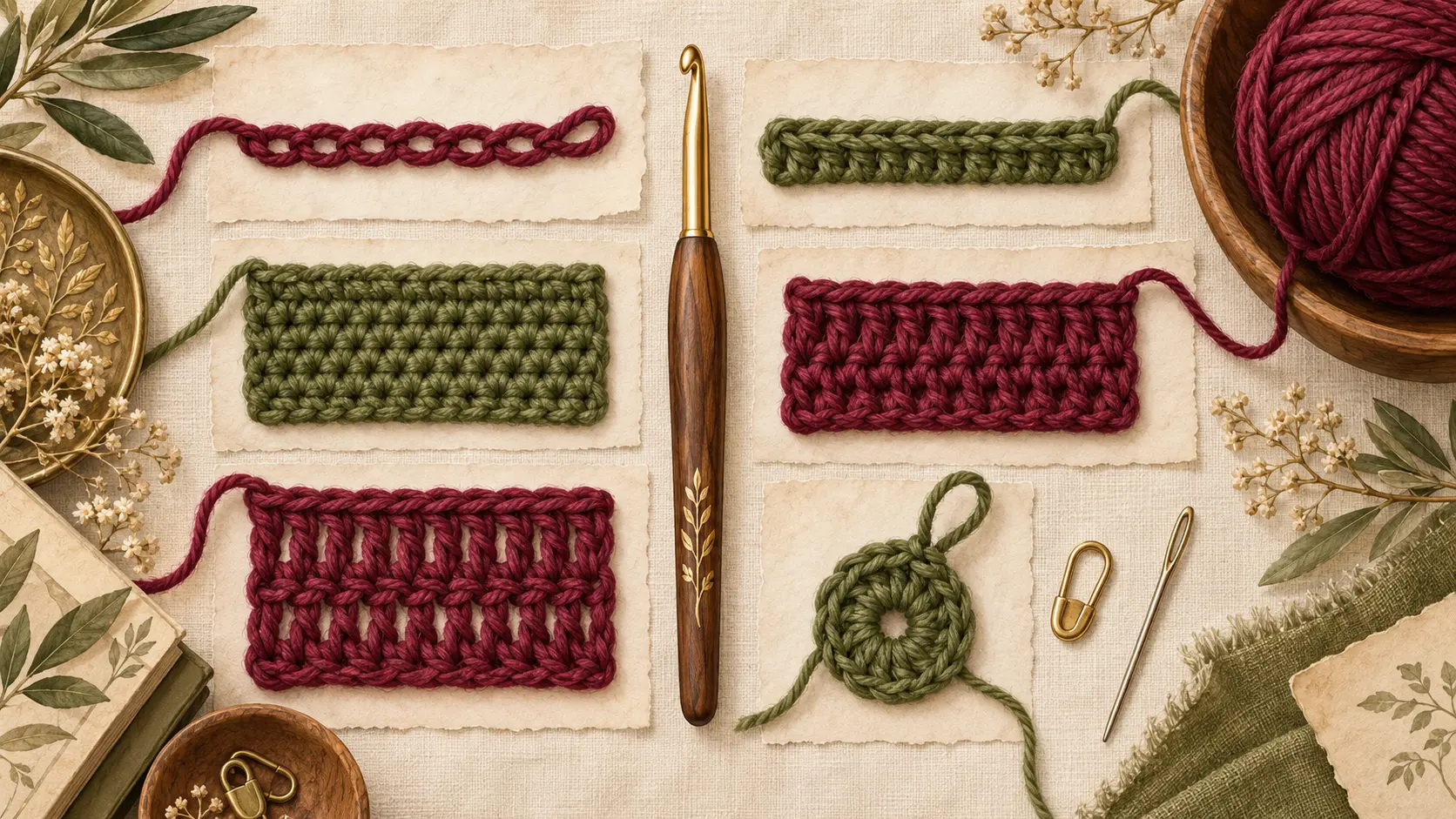
Beginner Crochet Glossary: Essential Stitches and Terms
Crochet patterns become easier to read once you know the core terms—and whether the designer is using US or UK terminology.
Read more