The History of Embroidery and Anatolian Traditions
Embroidery has no single documented birthplace. In Anatolia, needlework developed into a layered field connecting court and household, ceremony and daily life, memory and skilled labour.
Why embroidery has no single origin
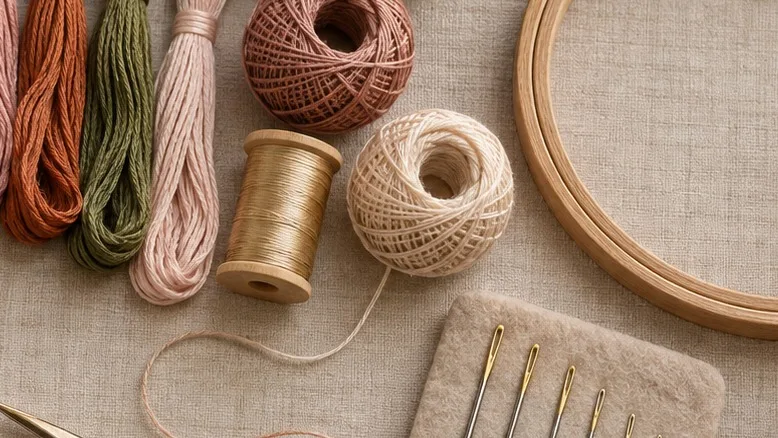
Embroidery decorates an existing textile or similar surface with needle, thread, metal, beads or other materials. Unlike weaving, the ground already exists and stitching adds line, colour, texture and meaning.
Needlework developed across many regions over long periods. Fragile textiles rarely survive in complete sequences, so no responsible history can assign all embroidery to one inventor or country. Museum objects and written records illuminate particular places and dates rather than one uninterrupted origin story.
Anatolia as a layered textile landscape
Anatolia connected communities, trade routes and production centres. Its embroidery cannot be reduced to one motif or method: materials and visual language changed between towns, households, courts and historical periods.
Ottoman embroidery appeared on dress, wrappers, towels, bed textiles and ceremonial objects. Botanical, geometric, calligraphic and architectural forms could all enter a design. Attribution requires more than motif recognition; ground fabric, thread, stitch structure and documented provenance must be considered together.
Dowry culture and women's labour
Needlework knowledge often travelled through family teaching and dowry preparation. An embroidered textile could record time, skill, memory and social relationships as well as decoration.
Because much of this work remained in domestic settings, the names of many makers were never recorded. Naming contemporary makers, explaining their technique and acknowledging hours of labour offers a more responsible way to present handmade work today.
Distinct traditions rather than one style
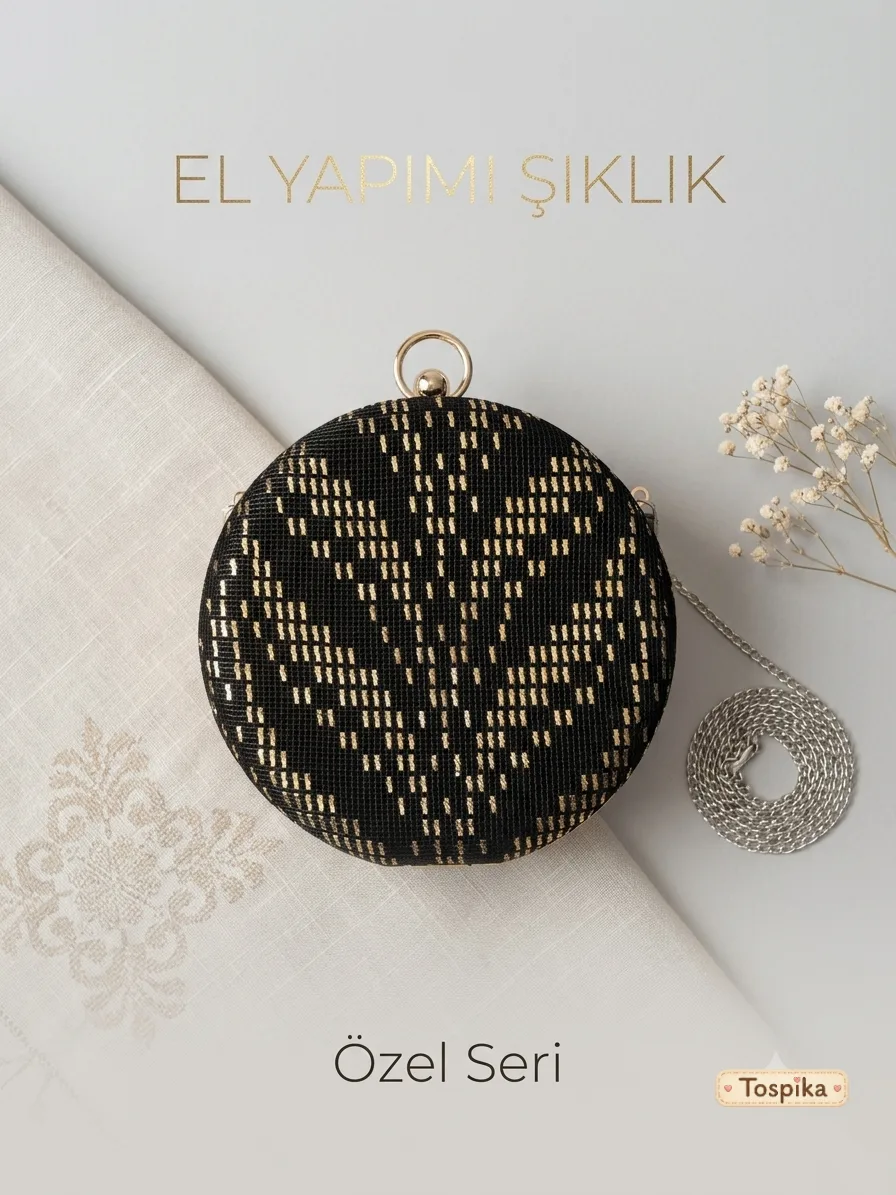
Counted-thread work builds regular patterns by counting the fabric structure. Cross-stitch commonly uses diagonal crosses on a countable ground. Surface embroidery transfers a motif to fabric and develops it with outline, filling and textured stitches. Tel kırma places flat metal wire with a special needle and breaks it by hand after each unit.
Regional practices such as Antep work carry value through local methods of teaching as well as technique. These names are not interchangeable; each may involve different fabric preparation, stitch systems and standards of workmanship.
Embroidery as living heritage
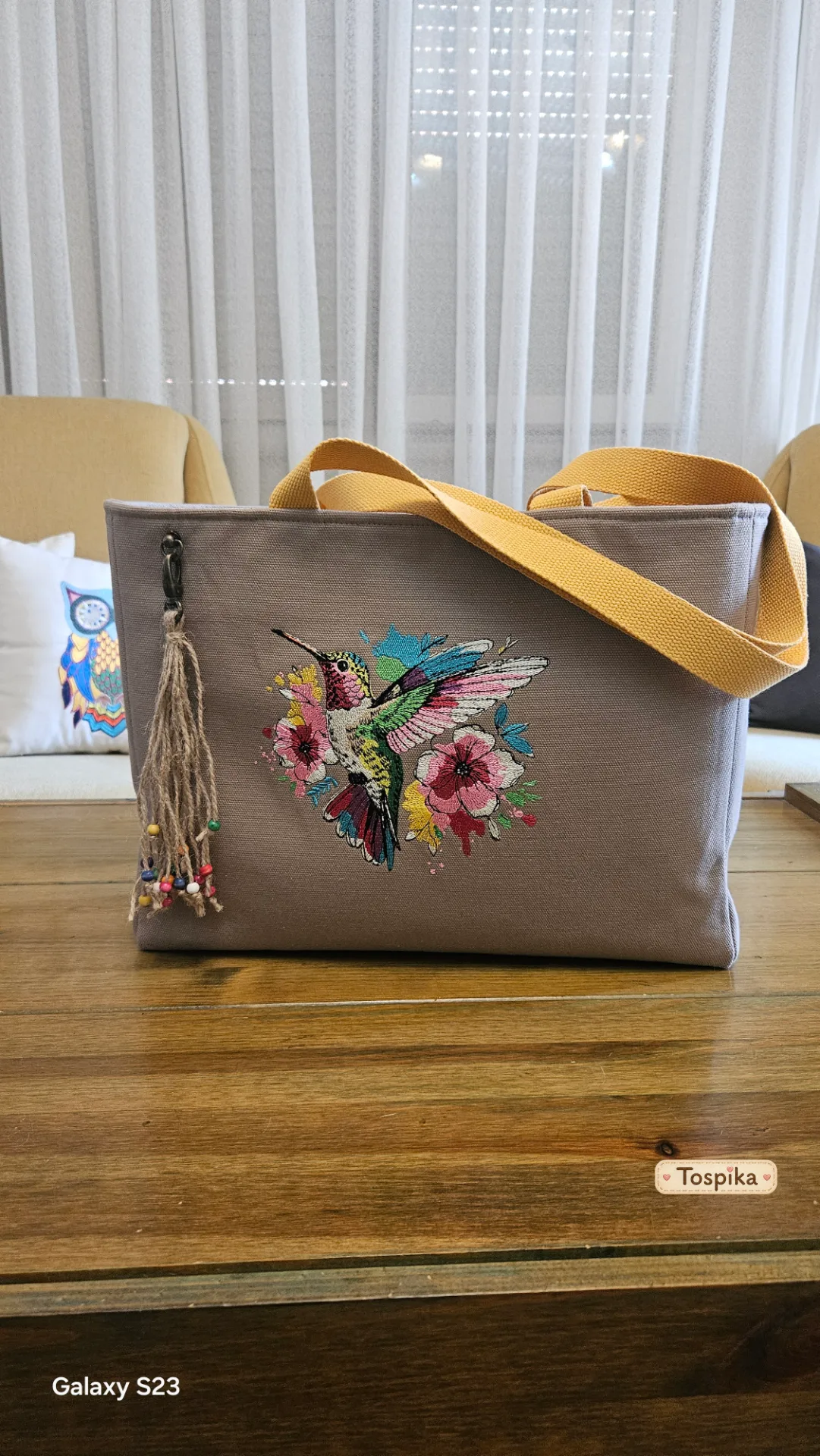
Contemporary makers apply embroidery to clothing, bags, jewellery, interiors and art. New uses can sustain visibility, but machine work should not be presented as hand embroidery and regional motifs should not be assigned unsupported origins.
Tospika's Handcraft Library documents techniques with sources and visible uncertainty. Visitors can discover embroidery products and women makers, then ask them directly about materials and technique. Tospika does not process sales or payments and charges no commission.
Frequently asked questions
- Who invented embroidery?
- There is no verified single inventor. Embroidery developed in many societies over long periods.
- Is Anatolian embroidery one technique?
- No. It includes counted work, cross-stitch, surface embroidery, metal-wire techniques and distinct regional practices.
- Where was embroidery used in Ottoman life?
- It appeared on clothing, towels, wrappers, bedding and ceremonial textiles, among many other objects.
- Can a motif alone identify an old embroidery?
- No. Fabric, thread, stitch structure, composition and provenance should be assessed together.
- Does Tospika sell embroidery products?
- No. Tospika is a showcase connecting visitors with makers and does not handle payments or charge commission.
Sources
- Türk İşlemeleri I — Türk Etnografya Dergisi (1956) dergipark.org.tr · Accessed: 2026-09-15
- Somut Olmayan Kültürel Miras Bağlamında Antep İşi Nakış Sanatı — DergiPark dergipark.org.tr · Accessed: 2026-09-15
- Bartın İşi Tel Kırma — Kültür Portalı kulturportali.gov.tr · Accessed: 2026-09-15
Related content
How to Choose Fabric Thread and Needles for Embroidery
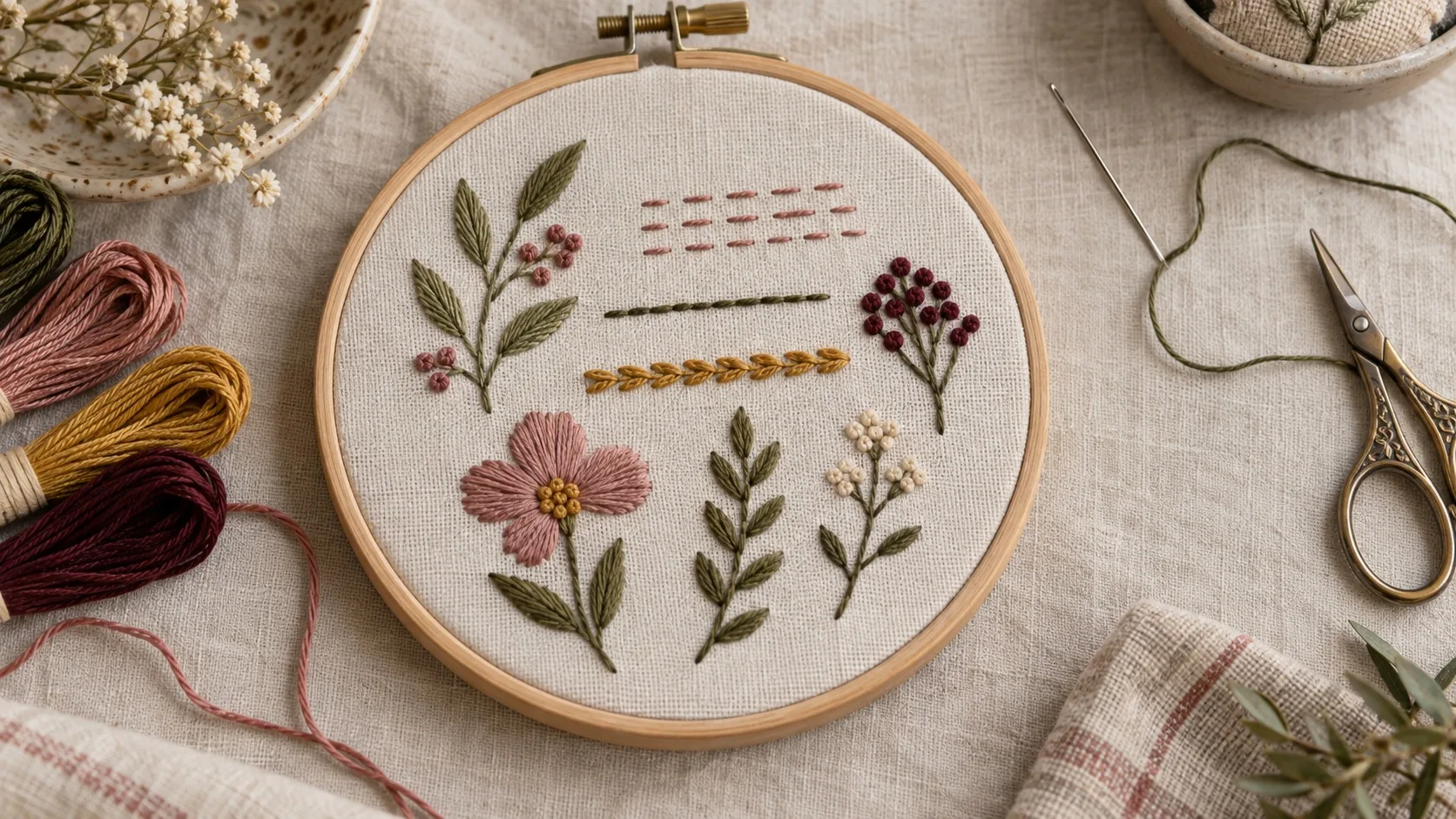
Good embroidery depends on a compatible system: fabric structure, thread weight, needle point and hoop tension must support the technique and intended use.
Read more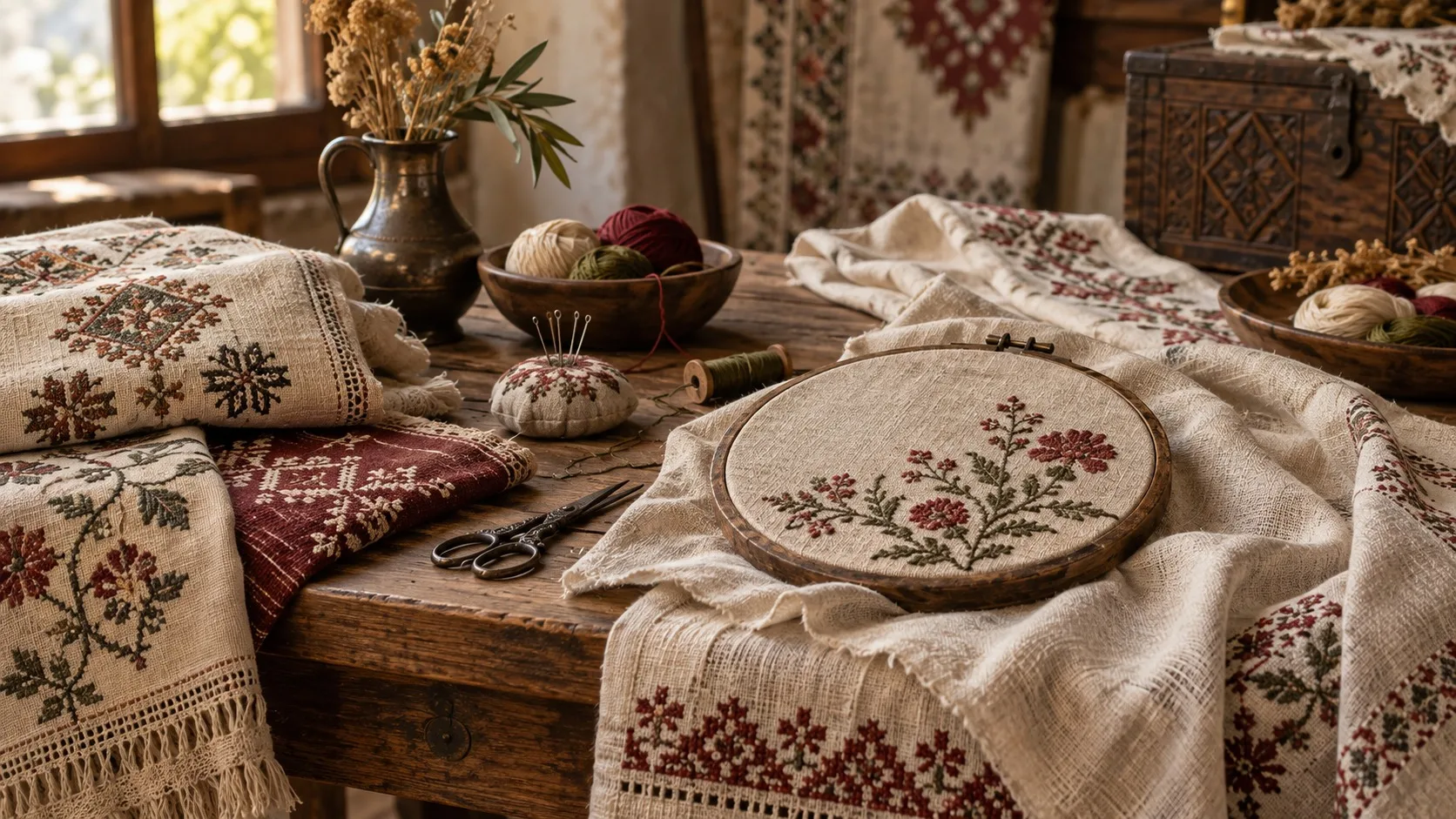
Basic Embroidery Stitches for Beginners
Learning embroidery begins with a small group of stitches that create lines, fills, leaves and texture, rather than memorising a long list of names.
Read more