What Is Hand Crochet? Techniques, Stitches and Uses
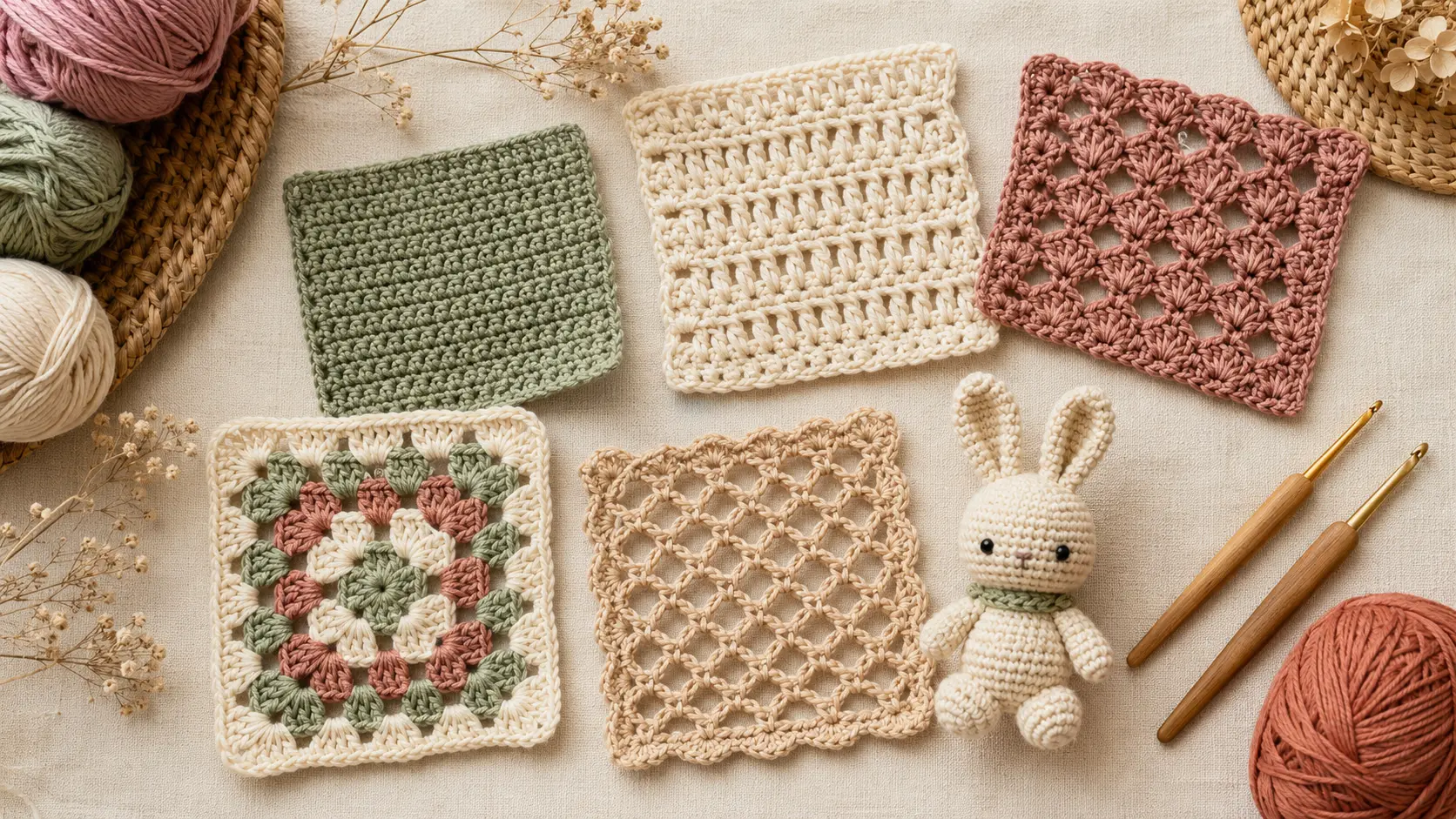
Hand crochet is a method of forming fabric by drawing yarn through loops with a hooked tool. A piece may begin with a simple chain, yet changes in stitch height, hook placement, yarn overs and tension can create hundreds of different textures.
Crochet is often associated with lace or traditional household textiles, but the same method is now used for toys, bags, jewellery, clothing, baby items and sculptural objects.
How is crochet made by hand?
Most projects begin with a slip knot on the hook, followed by a foundation chain or a circular start such as a magic ring. The hook enters a previous stitch or a specified space, catches the yarn and draws a new loop into the work.
The finished texture is shaped by several choices:
- Fibre type and yarn thickness
- Hook size
- Stitch structure
- Tight or loose hand tension
- Flat rows, joined rounds or continuous spirals
- Placement of increases and decreases
These variables can turn the same basic material into a structured bag, a soft baby blanket or a three-dimensional amigurumi figure.
What is the difference between crochet and knitting?
Crochet is made with one hooked tool and, in most techniques, only one active loop remains on the hook. Knitting usually uses two needles and keeps a full row of live stitches open at the same time.
Because of this structural difference, crochet often produces a more defined and shapeable surface, while knitting can be more fluid and elastic with the same yarn. The final result still depends on fibre, stitch and tension; neither method is universally better than the other.
Basic crochet stitches
Stitch names vary between US and UK terminology, so a maker should always check which system a pattern uses. The basic structures include:
Chain stitch
The chain forms the foundation of many projects. It can also be used independently for ties, straps and decorative details.
Slip stitch
Slip stitches join rounds and motifs, move the working position and create fine edges.
Single crochet / UK double crochet
This compact stitch forms a dense, durable surface. It is widely used for amigurumi, bags, baskets and objects that need to retain their shape.
Half double and double crochet / taller UK equivalents
Taller stitches build fabric more quickly and allow greater drape. They are common in garments, shawls and blankets.
Motifs, mesh and lace structures
Chains and taller stitches can create open spaces, geometric motifs and lace. Separate motifs may be joined to form a larger textile.
What can be made with crochet?
One of crochet’s greatest strengths is its ability to work at many scales.
- Amigurumi and toys: Dense stitches build three-dimensional forms.
- Bags and pouches: Firm yarns and tight construction provide strength.
- Baby items: Blankets, cardigans, booties and accessories can be made in suitable fibres.
- Clothing: Vests, cardigans, tops, skirts and summer layers can be constructed by hand.
- Accessories: Jewellery, hair pieces, keyrings and phone straps use smaller-scale crochet.
- Home décor: Baskets, cushions, throws, coasters and wall pieces combine function and texture.
- Lace and edgings: Fine threads produce delicate decorative surfaces.
Why do yarn and hook size matter?
A pattern alone does not determine the result. Cotton, wool, linen, raffia and synthetic fibres behave differently and require different care. Cotton may give clear stitch definition and a breathable surface. Wool can provide warmth and elasticity. Raffia can make bags and accessories feel more structured.
Hook size controls density. A smaller hook may create a firmer fabric, while a larger hook can produce a looser and more fluid surface. In a well-designed handmade item, pattern, material and intended use work together.
Why are handmade crochet pieces not perfectly identical?
Hand tension is created by the maker’s movements. Yarn dye lots may vary slightly, and motif placement or final measurements may differ by a few millimetres. These are often natural signs of hand production rather than defects.
Quality should still be visible in balanced stitching, strong joins, securely finished yarn ends and materials chosen for the object’s intended use.
To compare work made with different stitches and fibres, explore handmade crochet products by women makers on Tospika.
Frequently Asked Questions
Is crochet difficult to learn?
Basic chains and compact stitches can be learned relatively quickly. Consistent tension, accurate sizing and complex motifs require practice.
Can crochet be used to make any type of product?
Crochet is highly adaptable, but the yarn, texture and construction must suit the product. A bag needs different strength from the softness expected in a baby blanket.
What is the best yarn for crochet?
There is no single best yarn. Cotton, wool, linen, raffia and synthetic blends should be selected according to use, texture and care requirements.
Are small differences normal in handmade crochet?
Yes. Minor variations in tension, measurements and colour placement are natural in hand production. The item should nevertheless be structurally sound and carefully finished.
Related reading: How to Choose and Care for Handmade Crochet Products