What Is Antep Kutnu Fabric? History, Features and Uses
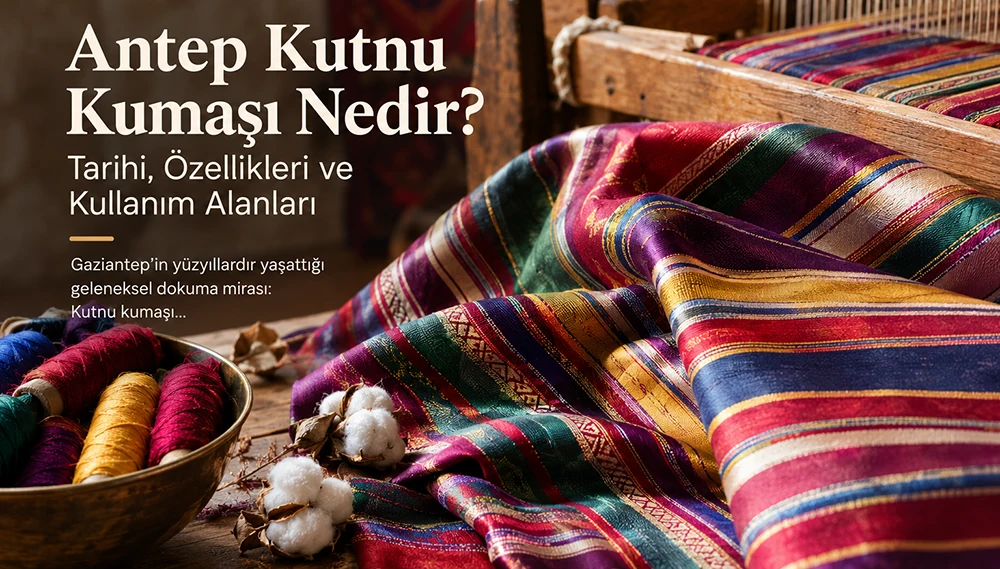
Antep kutnu fabric is one of the most distinctive examples of Gaziantep’s deep-rooted weaving culture. It is known for its vivid colors, striped and patterned appearance, lustrous surface, and labor-intensive production stages. Used in clothing for centuries, kutnu continues to live on today in bags, accessories, home textiles, and contemporary design pieces.
In this guide, we explore what kutnu fabric is, how it is made, its historical significance, and what to consider when choosing a kutnu product, drawing on reliable sources.
What is kutnu fabric?
Kutnu is a lustrous, usually striped type of woven fabric created by bringing warp and weft threads together in a specific arrangement. Closely associated with Gaziantep, its character is shaped by its color scheme, choice of threads, and weaving method.
Traditional accounts refer to silk and cotton threads. However, some kutnu fabrics made today may use rayon, known locally as floş, instead of natural silk. For this reason, the fiber content of the fabric or product should be confirmed with the maker.
The history of Antep kutnu fabric
Kutnu weaving has a long history in Gaziantep. Among the lustrous textiles used for caftans and regional garments during the Ottoman period, kutnu gradually became deeply woven into the city’s culture of production. The passing down of preparation, dyeing, and weaving knowledge from one generation of artisans to the next has played an important role in preserving the tradition to this day.
Antep Kutnu Fabric is a geographical indication registered as a designation of origin by the Turkish Patent and Trademark Office. This registration formally records the product’s connection to Gaziantep and its defined production characteristics.
How is kutnu fabric made?
Kutnu production involves much more than the moment of weaving at the loom. The traditional process consists of a series of specialized stages:
- The thread and pattern plan is prepared: The colors, stripes, and overall arrangement of the fabric are determined.
- The warp is prepared: Threads are measured and arranged according to the weaving plan.
- The threads are dyed and sized: They are colored and prepared to make them more resilient during weaving.
- The threading process is completed: The warp threads are placed in the correct order on the loom.
- The weaving is completed: Under the artisan’s careful control, the weft and warp threads come together, revealing the characteristic stripes and color transitions.
Arranging the handloom, balancing the colors, and maintaining the continuity of the pattern all require experience. In kutnu fabric, the artisan’s knowledge is therefore as visible as the material itself.
Characteristics of Antep kutnu fabric
Vivid colors
Rich colors such as red, purple, green, yellow, navy blue, and pink may be used in different sequences. Their interplay with the stripes gives each weave a distinctive rhythm.
Lustrous surface
One of kutnu’s most striking qualities is its light-reflecting surface. The degree of luster may vary depending on the thread and weaving method used.
Striped and patterned structure
Vertical stripes, geometric arrangements, and color transitions are central to kutnu’s visual identity. Pattern names and applications may vary according to the weaving tradition.
Craftsmanship-led production
From preparing the threads to arranging them on the loom, many stages require care and experience. Subtle variations in production are part of the unique appearance of handwoven textiles.
What is kutnu fabric used for?
Once prominent in caftans, traditional vests, and regional clothing, kutnu is now adapted to a variety of design fields while preserving its traditional character:
- Bags, wallets, and small accessories
- Shawls, scarves, vests, and special-design garments
- Cushions, curtains, and decorative home textiles
- Slippers and gift items
- Contemporary fashion and stage designs
The fabric’s bold colors can create a focal point in a simple design. When used in smaller pieces, it becomes a distinctive detail that brings traditional texture into everyday life.
How is traditional kutnu used in modern design?
Preserving traditional materials solely as relics of the past is not always enough to keep them alive. Using kutnu in today’s bags, accessories, and home décor helps introduce its weaving knowledge to new generations.
The Antep kutnu fabric bag created by Tospika maker dantella.aura is a contemporary example of this meeting. The traditional fabric has been reinterpreted in the form of a handcrafted bag.
What should you consider when buying kutnu fabric or a kutnu product?
The name “kutnu” alone does not reveal every detail of a product. When choosing fabric or an item made from kutnu, you may wish to ask the maker the following questions:
- Which threads were used in the fabric’s fiber composition?
- Where and by what method was the fabric woven?
- Which parts of the product were made by hand?
- How should it be cared for to preserve the colors?
- Is the product suitable for everyday or decorative use?
- What materials are used for the lining, handles, and other components?
For handmade pieces in particular, the maker’s care and usage guidance can help you understand the product’s qualities more accurately.
Why is Antep kutnu fabric important?
Kutnu’s value lies in more than its lustrous surface or vivid colors. Its interconnected stages—from thread preparation and dyeing to warp arrangement and weaving—represent production knowledge passed down through generations.
Keeping this tradition alive means preserving the knowledge of artisans, local production, and Gaziantep’s weaving heritage. The thoughtful and appropriate use of kutnu in contemporary products is also part of this continuity.
Frequently asked questions about kutnu fabric
What is kutnu fabric made from?
Traditional kutnu uses silk and cotton threads. As contemporary production may use rayon, locally known as floş, instead of natural silk, the exact fiber content should be checked for each product.
Why is Antep kutnu fabric famous?
It is known for its vivid colors, lustrous striped structure, labor-intensive production process, and strong connection to Gaziantep’s weaving culture. Antep Kutnu Fabric is protected by a registered geographical indication.
Is kutnu fabric handwoven?
The traditional production of Antep kutnu, as defined by its geographical indication, relies on handlooms and specific preparation stages. However, not every kutnu-style fabric on the market is necessarily made using the same method, so the maker’s information should be checked.
What is kutnu fabric used for?
Alongside caftans and regional garments, it can be used for bags, wallets, shawls, scarves, cushions, curtains, slippers, and a range of decorative pieces.
How should kutnu fabric be cared for?
The appropriate care method depends on the fiber content, dyes, and additional materials such as the lining. Rather than following general washing advice, always refer to the product’s own care instructions.