What Is a Wayuu Bag? Origins and Hand-Crochet Technique
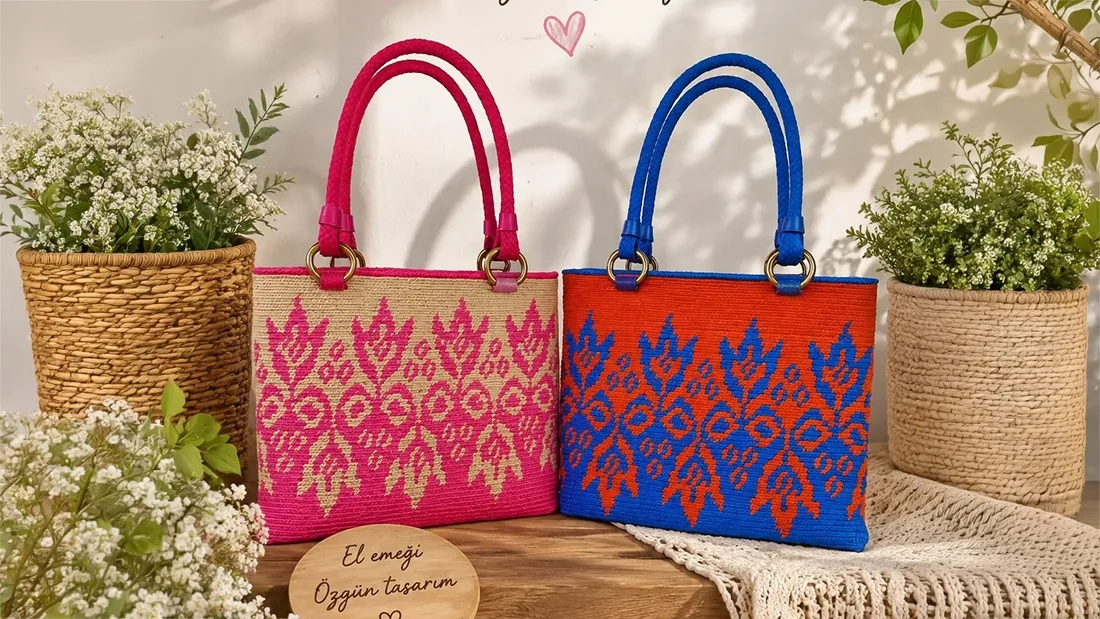
Wayuu bags are handcrafted pieces instantly recognized by their vibrant colors, geometric patterns, round bases, and drawstring closures. Known around the world primarily as Mochila Wayuu, this bag tradition is rooted in the Wayuu people of the La Guajira region between Colombia and Venezuela.
Today, the term “Wayuu bag” is used not only for a particular look, but also to describe a patterned bag style created mainly with single crochet. However, it is important to distinguish between cultural origins and technical inspiration. Traditional bags made by Wayuu artisans are part of their cultural identity. Pieces created by artisans in Türkiye are more accurately described as crocheted using the Wayuu technique or Wayuu-inspired bags.
The origins of Wayuu bags
The Wayuu tradition of weaving and crochet has been passed down through generations, particularly by women. Traditional stories speak of a spider figure named Wale’kerü, who taught the art of weaving. The patterns are more than decoration; they may carry traces of nature, the surrounding environment, and social life.
For this reason, seeing a Wayuu bag as simply a colorful accessory would be incomplete. Each piece is the result of a long creative process requiring patience, rhythm, an understanding of color, and refined handcraftsmanship.
What is a Wayuu bag like?
The defining features of the Wayuu style include:
- A round or oval base
- A dense, structured crocheted surface
- Geometric, rhythmic, or freely flowing color motifs
- A gathered or drawstring closure
- A long strap suitable for shoulder or crossbody wear
- Often finished with tassels and braided ties
Each maker may interpret details such as yarn choice, color arrangement, size, strap, and inner lining differently. This means that even two bags created with the same technique do not have to be exact copies of one another.
What makes the Wayuu crochet technique distinctive?
The body of the bag is generally worked outward in a circular form, beginning at the center of the base. In patterned designs, several colors are managed within the same round. Carrying unused yarns inside the crochet can help create a neater, more structured surface.
As the pattern grows, the stitch count, color sequence, and shape must all be followed at the same time. In symmetrical geometric motifs especially, even a small counting error can affect the continuation of the pattern. The value of this handwork comes not only from the time involved, but also from the constant attention and skill it requires.
Why are Wayuu bags so popular?
There are several compelling reasons for the enduring appeal of Wayuu-inspired bags. Vibrant colors add character to a simple outfit, multicolored designs complement different garments, and the crocheted surface stands apart from mass-produced bags. Spacious styles are also practical for carrying everyday essentials.
A striking accessory for those who enjoy bohemian, ethnic, and distinctive styles, these bags are often associated with summer. Yet with the right choice of colors and materials, they can be worn throughout the year.
Discover bags made with the Wayuu technique at Tospika
More than a retail store, Tospika is a digital showcase that brings handcrafted makers and original products into view. From the page of a product you love, you can access information about its maker and review details such as its size, materials, and use.
View products made with the Wayuu technique.
Frequently asked questions
Which country do Wayuu bags come from?
Traditional Mochila Wayuu bags are culturally rooted in the Wayuu people of the La Guajira region between Colombia and Venezuela.
Is every colorful crocheted bag a Wayuu bag?
No. Features such as a round base, dense crochet, motif work, a drawstring closure, and a long strap define the Wayuu style. For products without a clear cultural origin, “Wayuu-inspired” or “crocheted using the Wayuu technique” is more accurate.
Are Wayuu bags handmade?
Traditional Wayuu bags are handcrafted. When considering a product, it is also important to check the maker’s description, the materials used, and the production technique.