How Can I Sell My Handmade Products Online?
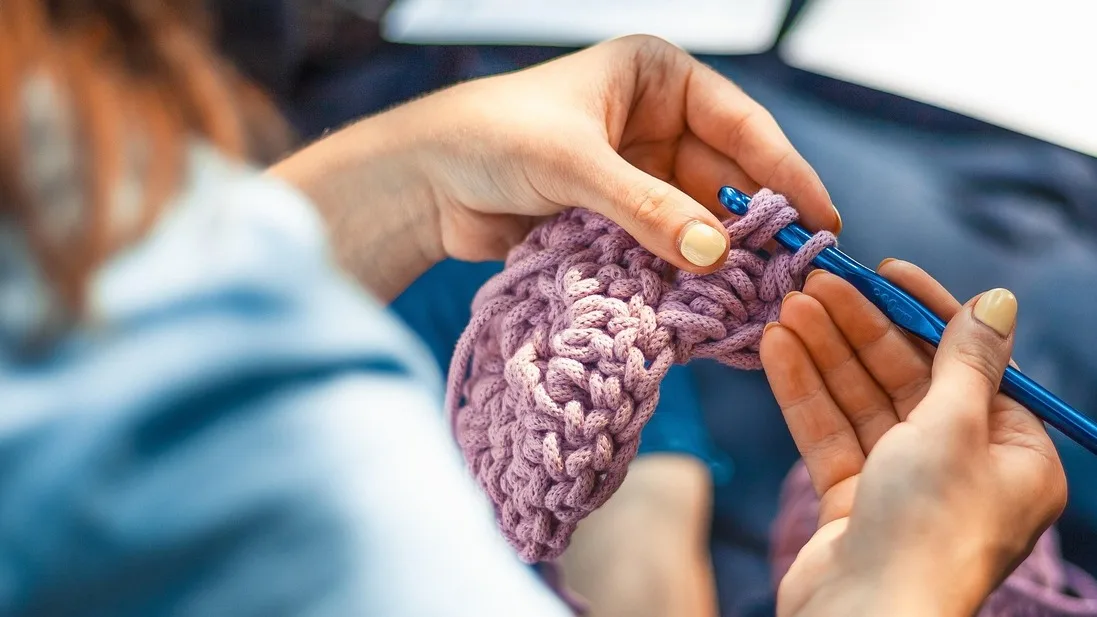
You do not need a large budget to begin showcasing the knitted pieces, amigurumi, jewellery, bags, ceramics, or decorative items you make at home online. What matters is presenting your products with accurate information and making it easy for customers to contact you.
Prepare your products for sale
For each product, clearly define its name, intended use, materials, dimensions, colour, size, preparation time, suitability, and delivery details. Instead of a general name such as “bag,” use a more descriptive title such as “hand-crocheted shoulder bag made from paper raffia yarn.”
Take product photos that inspire trust
Make use of natural daylight, choose a simple background, and show the product from different angles. Close-up photos reveal the details of the craftsmanship. To make the scale clear, you can show the product in your hand, on a table, or while it is being used.
Use Instagram as a communication channel
Instagram is valuable for sharing your making process and your story as a maker. However, relying solely on social media can make older products harder to find. By displaying your products in a digital showcase such as Tospika, with category and product pages, you can create a new discovery channel for your social media account.
How should product information be presented?
For products such as a hand-crocheted straw bag, mermaid epoxy keyring, and hand-crocheted cotton hair clip, the materials, intended use, personalisation options, and ordering terms should be clearly stated.
Use free visibility channels together
- Tospika maker profile
- Instagram business or creator account
- Pinterest product boards
- WhatsApp Business catalogue
- Google Business Profile, if suitable for your activity
- Local women makers’ groups and events
Check your legal responsibilities
Home-based production, online sales, tax exemptions, product safety, and consumer rights may vary depending on the type of product and how it is sold. Extra care should be taken with products intended for children, toys, and items that come into contact with the skin. Confirm the latest requirements for your circumstances with the tax office, an accountant, and the relevant official authorities. Do not act on the general assumption that “I make products at home, so all my sales are tax-exempt.”