Category
Punch Needle Rugs and Kilims
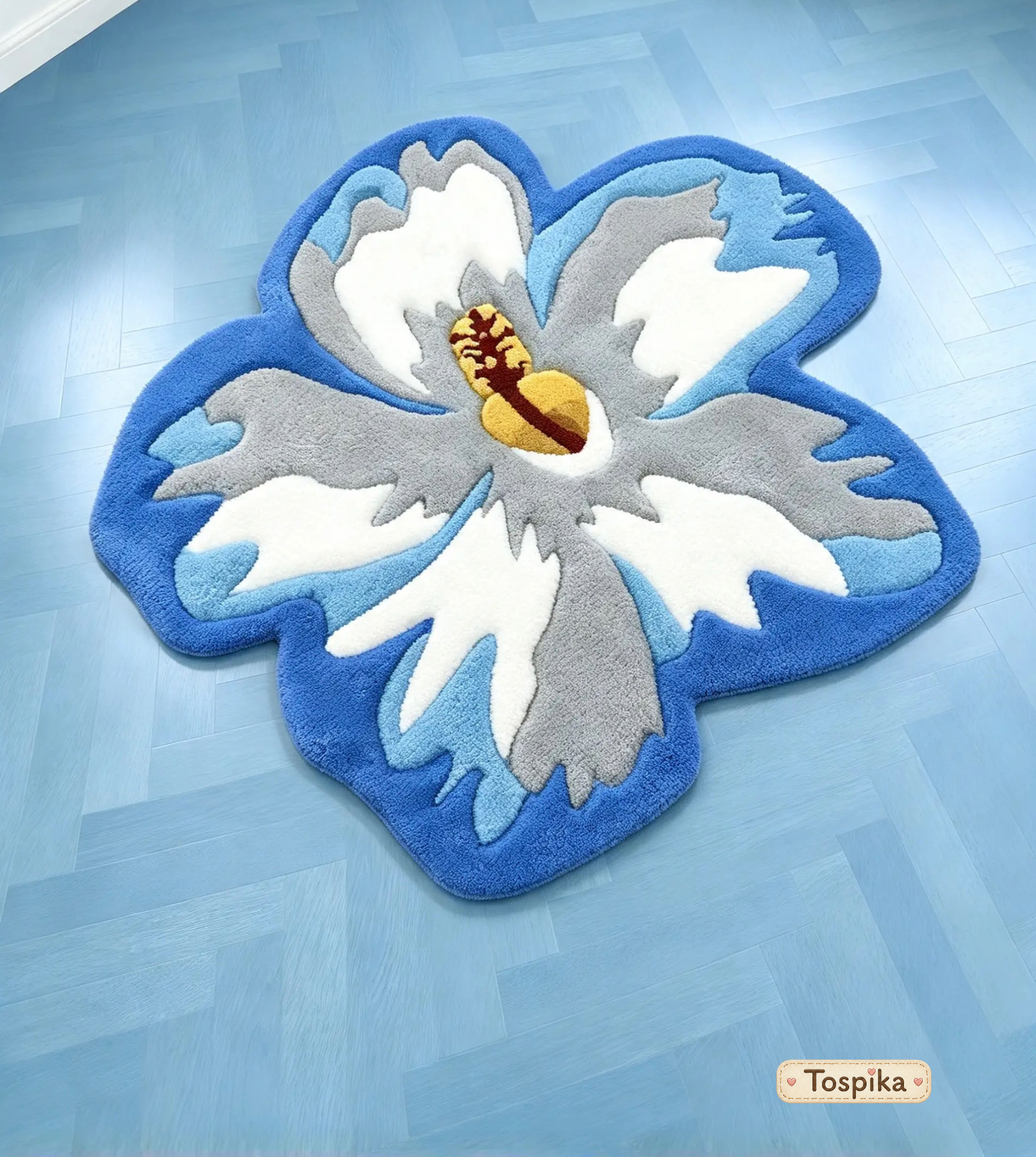
Punch Needle Rugs and Kilims are textured floor pieces made by pushing yarn through a stretched foundation cloth with a hollow punch needle. Common foundations include monk’s cloth, cotton punch fabric, burlap and other evenly woven textiles, while wool, cotton, acrylic or blended yarns form the visible loops. Needle size, yarn weight and loop height determine whether the finished surface feels compact, flat or generously raised. Makers may secure the reverse with textile adhesive and add felt, canvas or a non-slip backing, depending on the intended use.
Typical pieces range from bedside mats and small entry rugs to runners, round nursery designs and decorative kilim-sized panels. Before choosing a size, measure the usable floor area rather than the full room, allowing space for doors, skirting boards and furniture legs. A low, dense pile generally works better in a hallway or beneath a chair, whereas a softer high-loop surface may suit a quiet bedroom corner. For kitchens, bathrooms or entrance areas, ask whether the yarn, adhesive and backing can tolerate moisture and frequent cleaning.
When comparing Punch Needle Rugs and Kilims, look closely at loop density, edge finishing and the way the back has been stabilised. Shorter loops and firmly bound edges are practical for areas with regular foot traffic. Long loops can catch on pet claws or moving furniture, so the household setting matters as much as the pattern. Minor differences in colour, dimensions and texture are natural in handmade work. Routine care usually involves gentle vacuuming with low suction, prompt spot cleaning and avoiding vigorous rubbing; washing instructions should always come from the maker because not every foundation or adhesive is machine washable.
Tospika is a showcase for independent makers in Türkiye and does not process sales on the website. To ask about an order, available colours, custom dimensions, backing options or the estimated delivery time, contact the maker directly. Sharing the intended location and expected level of use will also help the maker recommend a suitable yarn, pile height and care method.