How Can You Recognize a Safer Cat Toy? A Guide to Materials and Small Parts
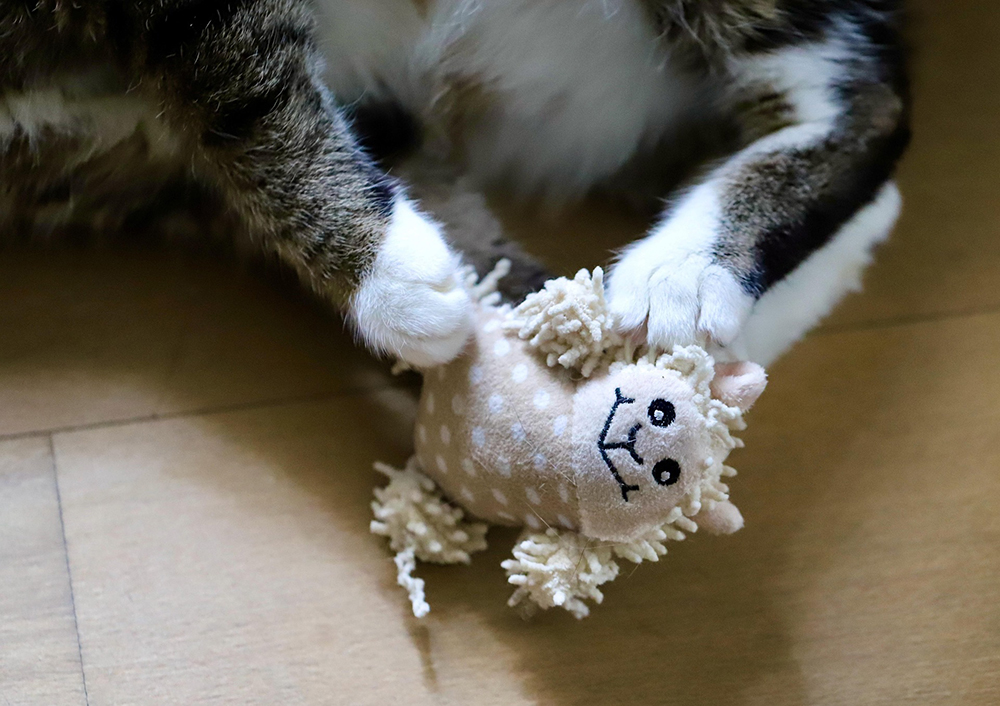
The most important consideration is whether a toy suits your cat’s size and style of play. No toy is completely risk-free for every cat or every use, so clear product information, supervision and regular inspection remain essential.
Materials should be identified
The product page should state yarn, fabric, filling and ingredients such as catnip. Ask the maker for details when materials are unclear or a product has a strong chemical odor.
Size should suit the cat
The whole toy—or any part that could detach—should not be easy to swallow. Kittens and adult cats differ in mouth size, strength and play behavior, so a generic “cat toy” label is not enough.
Inspect seams and attachments
Seams should be closed, filling contained and yarn ends secured. Glued eyes, beads, bells, feathers, ribbons and metal attachments can become hazards if loosened. Such details require closer observation during play.
Check the toy regularly
Before and after use, look for tears, open stitches, loose parts and exposed filling. Do not return a damaged toy until properly repaired; remove it if safe repair is not possible.
Browse handmade cat toys and ask makers directly about materials. Tospika does not manufacture products or guarantee safety; it enables direct contact between maker and visitor.